Clinical Pharmacology Notes: Modules 1-13

Merged Module 15-style reading guide for the original course modules. This version preserves the PowerPoint/source extraction content and changes the organization and reading format without intentionally omitting source material.

Ready

Module 1: Prescribing, Safety, Pharmacokinetics & Professional Practice

Complete content preserved: this module contains the extracted PowerPoint/source material below in a Module 15-style reading layout. The format is changed, but the original source pages remain linked and the slide/source text is not intentionally summarized or omitted.

Module 1 Slides - no narration (1)Open original source page
Original source file is included in this package; the embedded viewer and full extracted text are available below.

Slide Text Extract

Improved reading view: slide text is enlarged, spaced out, and placed in expandable study cards. Use Expand all to read continuously, or search the whole textbook from the search box.

Slide 1
Pharmacotherapeutics for Advanced Practice:
Module 1
N609
Slide 2
Part 1
Issues for the Practitioner in Drug Therapy
Slide 3
Learning Objectives
Describe the approval process for prescribed drugs in the United States.
Analyze the practitioner's role and responsibilities in prescribing.
Explain the process for prescribing, whether in writing or through the electronic health record.
Slide 4
Drug Safety and Market Safeguards
Role of the U.S. Food and Drug Administration (FDA)
Conducting and monitoring clinical trials
Approving new drugs for market and manufacture
Ensuring safe drugs for public consumption
Slide 5
Clinical Trials
Slide 6
Question #1
It has been determined by the FDA that a new drug causes no apparent serious adverse effects and the dosage range is appropriate. Double-blind studies are planned to compare the drug to a placebo. This drug is in what phase of clinical trials?
A. Phase I
B. Phase II
C. Phase III
D. Phase IV
Slide 7
Answer to Question #1
C. Phase III
Rationale: In Phase III, double-blind research methods are used for data collection, and the drug is compared with a placebo. In Phase I, an initial evaluation of the drug is conducted. In Phase II, drug effects are monitored on up to several hundred patients who have the disease. Postmarketing surveillance occurs in Phase IV.
Slide 8
FDA Fast Track
Four categories for which pharmaceutical companies request review
Fast track
Breakthrough therapy
Accelerated approval
Priority review
Slide 9
Prevention of Harm and Misuse
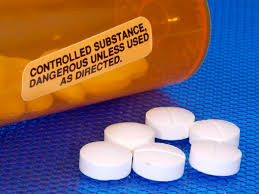
Five categories of scheduled drugs:
Schedule 1: high potential for abuse; no routine therapeutic use
Schedule 2: valid medical use; high potential for abuse
Schedule 3: Potential for abuse is lower than drugs on Schedule 2; prescriptions cannot be refilled.
Schedule 4: low potential for abuse; limited physiologic dependency
Schedule 5: least potential for abuse; moderate amount of opioids
Slide 10
Question #2
A practitioner prescribes codeine for a patient who is postoperative following knee surgery. What schedule drug is being prescribed?
A. Schedule 1
B. Schedule 2
C. Schedule 3
D. Schedule 4
E. Schedule 5
Slide 11
Answer to Question #2
C. Schedule 3
Rationale: Examples of Schedule 3 drugs are certain narcotics such as codeine and nonbarbiturate sedatives. Examples of Schedule 1 drugs are heroin and lysergic acid diethylamide. Examples of Schedule 2 drugs are certain amphetamines and barbiturates. Examples of Schedule 4 drugs are nonnarcotic analgesics and antianxiety agents. Examples of Schedule 5 drugs include antitussives and antidiarrheals containing small amounts of narcotics.
Slide 12
Practitioner's Role and Responsibilities in Prescribing
Drug selection
Concerns related to ethics and practice
Patient education
Prescriptive authority
Drug sampling
Slide 13
Steps of the Prescribing Medications
Slide 14
National Provider Identifier (NPI)
Identify all health care providers by a unique number in standard transactions (e.g., health care claims).
Identify health care providers on prescriptions.
Link provider ID numbers in internal files.
Coordinate benefits between health plans.
Update patient medical-record systems.
Use in program integrity files.
Slide 15
Steps of the Prescribing Medications
Selecting the most appropriate agent
Considerations of special populations
Identifying outcomes
Slide 16
Writing the Prescriptions
Date, name, address, and date of birth
Prescriber's name, address, and phone number
Name of drug
Dose, dosage regimen, and route of administration
Allowable substitutions
Prescriber's signature and license number
Slide 17
Question #3
A health care provider performs a physical examination of a patient who presents with high blood pressure. When choosing a hypertensive for the patient, what step in the prescribing process follows the formulation of the diagnosis of hypertension?
A. Review the pathophysiology of the disease.
B. Select the most appropriate agent.
C. Evaluate the patient's response to the therapy.
D. Consider second-line therapy for the patient.
Slide 18
Answer to Question #3
A. Review the pathophysiology of the disease.
Rationale: The order of the process for prescribing a drug is assess, diagnose, review pathophysiology of disease, select a first-line therapy, evaluate patient response, maintain regimen or move to second-line therapy, reevaluate, maintain regimen, or move to third-line therapy.
Slide 19
Electronic Prescriptions
Improved legibility of prescriptions and rate of completed prescriptions
Greater patient convenience at pharmacy
Increased compliance with formulary requirements
Decreased drug-drug interactions
Reduced medication errors with use of drug-checking software
Slide 20
Adherence Issues
Approachability of health care provider
Perception of respect with which they are treated by the practitioner
Belief the therapy is beneficial
Belief the benefits of therapy outweigh the risks or side effects
Degree to which the patient participates in developing the treatment regimen
Cost of the regimen
Slide 21
Adherence Issues
Simplicity and understanding of the regime
Degree to which the patient feels that expectations are being met
Degree to which the patient perceives their concerns are important and being addressed
Degree to which the practitioner motivates the patient to adhere to the regimen
Degree to which the regimen is compatible with the patient's lifestyle
Slide 22
Adverse Drug Events
Lack of drug knowledge
Lack of patient information
Poor communication
Special population considerations
Slide 23
Pharmacogenomics
Many different genes influence the way a person responds to a drug.
Without knowing all the genes involved in drug response, it has not been possible to develop genetic tests that could predict a person's response to a drug.
Slide 24
Updating Drug Information
Reference books
Pharmacists
Easy-to-carry drug handbooks
Pocket guides
Slide 25
Summary
Drug therapy is often the mainstay of acute and chronic diseases, and in many cases, health care practitioners include it in the patient treatment plan.
Many issues require consideration when planning drug therapy, including product safeguards, writing the prescription, patient adherence, follow-up measures, and keeping up-to-date with new developments.
It is imperative that prescribers have the best knowledge of the principles of prescribing to prevent errors and develop safe, appropriate, and effective drug therapy.
Slide 26
Part 2
Pharmacokinetic Basis of Therapeutics and Pharmacodynamic Principles
Slide 27
Learning Objectives
Describe the difference between pharmacokinetics and pharmacodynamics.
Discuss the impact of each of the four pharmacokinetic principles on medications administered to a patient: absorption, distribution, metabolism, and elimination.
Describe the concept of affinity and differentiate between an antagonist and an agonist.
Apply the knowledge of pharmacokinetic principles to considerations of a patient case scenario.
Given patient details, calculate renal function utilizing the Cockcroft-Gault formula and the Modification of Diet in Renal Disease (MDRD) equation.
Slide 28
Pharmacokinetics versus Pharmacodynamics
Pharmacokinetics
Refers to the movement of the drug through the body and how the body affects the drug.
Drug administration, absorption, distribution, and elimination are involved.
Pharmacodynamics
Refers to how the drug affects the body; how the drug initiates its therapeutic or toxic effect at the cellular level and systemically.
Slide 29
Relationship Between Pharmacokinetics and Pharmacodynamics
Slide 30
Pharmacokinetics
Factors affecting absorption
Movement through membranes and drug solubility
Passive diffusion
Active transport
Pharmaceutical preparation
Blood flow
Gastrointestinal motility
Enteral absorption
Oral administration
Sublingual administration
Rectal administration
Parenteral absorption
Inhalation
Intravenous administration
Subcutaneous administration
Intramuscular administration
Topical administration
Transdermal administration
Slide 31
Question #1
A patient is given a medication for hypertension that is absorbed enterally. Via what route might this medication be administered?
A. Intramuscular
B. Subcutaneous
C. Oral
D. Topical
Slide 32
Answer to Question #1
C. Oral
Rationale: Enteral absorption occurs after a drug is administered by the oral or rectal route. Parenteral absorption is associated with drugs administered intramuscularly, subcutaneously, or topically.
Slide 33
Question #2
A health care practitioner orders a loading dose of an antibiotic for a patient with bacteremia. What would be the preferred route to ensure maximum bioavailability?
A. Oral
B. Subcutaneous
C. Intramuscular
D. Intravenous
Slide 34
Answer to Question #2
D. Intravenous
Rationale: The intravenous route provides rapid access to the circulatory system with a known quantity of drug; the IV route of administration assures 100% bioavailability, thus it is considered the gold standard. Absorption after oral administration is slow and depends on the patient's gastric emptying time. Subcutaneous administration produces a slower, more prolonged release of medication into the bloodstream. A wide variability in the rate of absorption results from injections given intramuscularly due to use in different muscles and in different patients.
Slide 35
Distribution
Protein binding
Volume of distribution
Slide 36
Plasma Protein Binding
Slide 37
Calculating the Apparent Volume of Distribution (Vd)
Slide 38
Elimination
Metabolism
Drug excretion
Half-life
Steady state
Clearance
Slide 39
Pharmacodynamics
Drug receptors
A receptor is the component of the cell (or an enzyme) to which an endogenous substance binds, or attaches, initiating a chain of biochemical events.
The capacity of a drug to bind to a receptor depends on the size and shape of the drug and the receptor.
Drug receptors are commonly classified by the effect they produce.
Slide 40
Four Types of Receptors
Gated ion channels
Transmembranous receptors: cytoplasmic enzyme or tyrosine kinase activated
G protein-coupled receptors
Intracellular receptors
Slide 41
Drug-Receptor Interactions
Affinity: degree to which a drug is attracted to a receptor.
Chirality: drugs exist in two forms with mirror-image spatial arrangements called enantiomers or isomers, which affect interaction with receptors.
Agonists: drugs that display a degree of affinity for a receptor and stimulate a response.
Antagonists: drugs that display an affinity and do not elicit a response.
Slide 42
Dose-Response Relationship
Slide 43
Factors Affecting Pharmacokinetics and Pharmacodynamics
Patient variables
Pathophysiology
Genetics
Age
Sex
Ethnicity
Diet and nutrition
Slide 44
Summary
Medications are prescribed to alleviate symptoms, cure disease, or prevent severe morbidity or mortality.
Underpinning the treatment process is the intricate relationship between the body and the medications.
Practitioners must be aware of the effect of pharmacokinetics (movement of the drug through the body) and pharmacodynamics (how the drug affects the body) when prescribing drug therapy for patients.
Slide 45
Part 3
Impact of Drug Interactions and Adverse Events on Therapeutics
Slide 46
Four Major Categories of Drug Interactions
Drug-drug interactions
Drug-food interactions
Drug-herb interactions
Drug-disease interactions
Slide 47
Pharmacokinetic Factors Affecting Drug Therapy
Absorption
Distribution
Metabolism
Excretion
Slide 48
Pharmacokinetic Interactions: Absorption
Acidity (pH): one drug may alter the acidity of the gastrointestinal (GI) tract
Adsorption: occurs when one agent binds the other to its surface to form a complex
GI motility and rate of absorption: drugs that affect the GI tract can affect the rate of absorption instead of affecting the amount of drug absorbed
GI flora and absorption: bacteria present in the GI tract are responsible for a portion of the metabolism of some agents
Slide 49
Distribution of Drugs in Bloodstream
Most are bound to plasma proteins such as albumin or 1-acid glycoprotein.
Only an unbound drug is free to interact with its target receptor site and is therefore active.
The percentage of drug that binds to plasma proteins depends on the affinity of that drug for the protein-binding site.
Clinically significant drug displacement interactions normally occur only when drugs are more than 90% protein bound and have a narrow therapeutic index.
Slide 50
Metabolism
Main sites of metabolism
Liver (hepatocytes)
Small intestine (enterocytes)
Kidneys, lungs, brain play minor role
Classification of cytochrome P-450 isoenzymes
Family (>36% homology in amino acid sequence)
Subfamily (77% homology)
Individual gene
Slide 51
Inhibition of Drug Metabolism
Affinity: the greater the affinity of an inhibiting drug for an enzyme, the more it blocks binding of other drug molecules
Half-life: determines duration of the interaction
Concentration: threshold concentration must be reached or exceeded to inhibit an enzyme
Toxic potential of the object drug
Efficacy: effectiveness of the object drug
Slide 52
Question #1
A practitioner is prescribing amiodarone for a patient with cardiac arrhythmia. Which factor affecting the duration of the drug must a practitioner consider if an adverse interaction occurs?
A. Efficacy
B. Half-life
C. Concentration
D. Toxic potential
Slide 53
Answer to Question #1
B. Half-life
Rationale: Along with affinity, the half-life (t12) of the inhibiting drug determines the duration of the interaction. The longer the half-life of the inhibiting drug, the longer the drug interaction lasts. Efficacy refers to the effectiveness of the drug. Concentration is a factor contributing to a drug's ability to inhibit hepatic enzymes. A threshold concentration must be reached or exceeded to inhibit an enzyme. Serious toxic potential may cause a drug to be removed from the market.
Slide 54
Drug-Drug Interactions Caused by Induction
Result of the action of one drug (inducer) stimulating the metabolism of an object drug (substrate)
Enhanced metabolism produced by an increase in hepatic blood flow or an increase in the formation of hepatic enzymes
Increases the amount of enzymes available to metabolize drug molecules, thereby decreasing the concentration and pharmacodynamic effect of the object drug
Slide 55
Excretion
Drugs are removed from the bloodstream by the kidneys by filtration or urinary secretion.
Reabsorption from the urine into the bloodstream may also occur.
Absorption may be affected by acidification or alkalinization of the urine and alteration of secretory or active transport pathways.
Although most drugs cross the membrane of the renal tubule by simple diffusion, some drugs are also secreted into the urine through active transport pathways.
Slide 56
P-Glycoprotein Interactions
Inhibition or induction of P-glycoprotein (P-gp), an energy-dependent efflux transporter, can result in interactions involving absorption or excretion (biliary or renal).
P-gp pumps drug molecules out of cells and is found in the epithelial cells of the intestine (enterocytes), liver, and kidney.
Slide 57
Question #2
A practitioner prescribes a bicarbonate for a patient with severe heartburn. The practitioner knows that what factor caused by the drugs plays a key role in its excretion?
A. Enterohepatic recirculation
B. Alteration active transport pathways
C. Alkalinization of the urine
D. Induction of P-glycoprotein
Slide 58
Answer to Question #2
C. Alkalinization of the urine
Rationale: Administration of bicarbonate can potentially increase the urine pH. This leads to the increased excretion of acidic drugs and the increased reabsorption of basic drugs.
Slide 59
Pharmacodynamic Interactions
Pharmacodynamic profile: responses or effects produced by a drug's actions.
Drugs that have a similar characteristic in their pharmacodynamic profile may produce an exaggerated response.
Drugs may also produce opposing pharmacodynamic effects causing the expected drug response to be diminished or even abolished.
Slide 60
Drug-Food Interactions
Absorption: food can alter extent of drug absorption or change rate of drug absorption.
Metabolism: grapefruit juice inhibits the 3A4 subset of intestinal cytochrome P-450 enzymes and increases the serum concentration of drugs dependent on these enzymes for metabolism; food may also induce drug metabolism and therefore decrease drug efficacy.
Excretion: ingestion of certain fruit juices can alter the urinary pH and affect the elimination and reabsorption of drugs such as quinidine and amphetamine.
Slide 61
Effects of Food on Drug Pharmacodynamics
Food may oppose or potentiate pharmacologic action.
Warfarin reacts with foods containing vitamin K.
Monoamine oxidase (MAO) inhibitors can react with foods containing tyramine.
Some drugs can deplete nutrients or minerals found in foods.
Drug-induced malabsorption can occur in patients with preexisting poor nutritional status.
Drugs can change nutrient excretion.
Slide 62
Question #3
A healthcare practitioner prescribes warfarin for a patient who Afib. The patient should avoid foods high in:
A. Potassium
B. Tyramine
C. Vitamin C
D. Vitamin K
Slide 63
Answer to Question #3
D. Vitamin K
Rationale: Warfarin exerts its anticoagulant effects by inhibiting synthesis of vitamin K-dependent clotting factors. Vitamin K is required for activation by several protein factors of the clotting cascade, namely, factors II, VII, IX, and X. When foods rich in vitamin K are ingested, they can significantly oppose the anticoagulatory efficacy of warfarin.
Slide 64
Complementary Alternative Medicine Interactions
Most herbal supplements are not regulated by the Food and Drug Administration (FDA).
Some herbs can prevent absorption of medications and reduce the effectiveness of those medications.
Acacia may impair the absorption of amoxicillin.
Dandelion may reduce effectiveness of quinolones.
Meadowsweet and black willow may displace highly protein-bound drugs.
Certain herbs can be inducers or inhibitors of the cytochrome P-450 enzyme system.
Slide 65
Complementary Alternative Medicine Interactions #2
Some herbs may inhibit platelet activity and/or increase the INR.
Kava, lavender, and valerian may potentiate effects of central nervous system (CNS) depressants such as barbiturates and narcotics.
Kava may interfere with effects of dopamine or dopamine antagonists and is potentially hepatotoxic.
Aloe may cause hypoglycemia in patients taking glibenclamide.
Bitter orange may interfere with MAO inhibitor action.
Slide 66
Pharmacokinetic Interactions: Absorption
Absorption depends on the physiologic processes that maintain normal GI function.
Vitamin B12 deficiency is common in patients undergoing stomach surgery.
Diarrhea, a manifestation of many diseases, can pose a problem for oral absorption of drugs as well as food and nutrients.
Slide 67
Pharmacokinetic Interactions: Distribution
Conditions that may decrease plasma albumin levels:
Burns, bone fractures, acute infections, inflammatory disease, liver disease, malnutrition, and renal disease
Conditions that may increase plasma albumin levels:
Benign tumors, gynecologic disorders, myalgia, and surgical procedures
Slide 68
Pharmacokinetic Interactions: Metabolism
Metabolism of drugs can be altered by disease that affect the functions of the liver (cirrhosis).
Heart failure is another disease that can cause direct reduction in ability of liver to metabolize drugs.
Use of a prodrug in patients with liver dysfunction can potentially reduce the efficacy of the drug.
Slide 69
Effect of Diseases on Excretion of Drugs
Renal function can influence serum drug concentrations.
Glomerulonephritis, interstitial nephritis, long-term and uncontrolled diabetes, and hypertension are primary causes of declining renal function.
Drugs such as H2 receptor antagonists and fluoroquinolone antibiotics commonly require dose adjustments for patients with renal insufficiency.
Slide 70
Effects of Drugs on Coexisting Disease
Drugs used to treat one medical condition can exacerbate the status of another comorbid disease.
This is particularly important in the elderly who have multiple concomitant diseases and often take multiple medications.
Detected rates of drug-disease interactions range from 6% to 30% in older adults.
Slide 71
Patient Factors Influencing Drug Interactions
Heredity
Disease
Environment
Smoking
Nutrition
Alcohol intake
Slide 72
Adverse Drug Reactions
Definition: drug-induced toxic reactions
Two types of drug reactions
Type A reactions: exaggeration of the principal pharmacologic action of the drug
Type B reactions: unrelated to the principal pharmacologic action of the drug itself; precipitated by the secondary pharmacologic actions of the drug
Slide 73
Tracking Drug Interactions and Adverse Drug Reactions
Causes of medication errors: look-alike and sound-alike drugs, dosage conversions, foreign drugs, illegible handwriting, unacceptable abbreviations
Tracking drug interactions and adverse drug reactions (ADRs)
The initial source of documented ADRs comes primarily from the experience gained while using a drug during clinical trials
MedWatch program: enhances the effectiveness of surveillance of drugs and medical products after they are marketed and as they are used in clinical practice
Slide 74
References
Arcangelo, V. (2022). Pharmacotherapeutics for Advanced Practice: A Practical Approach. 5th ed.
Wolters Kluwer. Philadelphia, PA
74
Prescribing for the NP 101Open original source page
Original source file is included in this package; the embedded viewer and full extracted text are available below.

Slide Text Extract

Improved reading view: slide text is enlarged, spaced out, and placed in expandable study cards. Use Expand all to read continuously, or search the whole textbook from the search box.

Slide 1
Safe Prescribing
Slide 2
Prescribing as an NP
On May 13th, 2014 the Minnesota Governor signed bill SF511 into law. This bill allowed for full practice authority (FPA) for APRNs in Minnesota and was implemented on January 1, 2015.
APRNs must have a separate APRN license to practice.
Drug Enforcement Agency (DEA) number is required to prescribe controlled substances.
CNPs and CNSs beginning practice after July 1, 2014, must practice for at least 2,080 hours within the context of a collaborative management setting in a hospital or integrated clinical setting where APRNs and physicians work together. A written prescribing agreement is not required.
Slide 3
BON Regulations
How does an advanced practice registered nurse identify authority to practice?
Jane Doe APRN, CNS
Jane Doe APRN, CNP
Jane Doe APRN, CNM
Jane Doe APRN,CRNA
Educational degrees may be added.
Suggestions for adding other credentials:
Jane Doe DNP, APRN, CNP, CCRN
Slide 4
NPI and prescribing
An NPI (National Provider Identifier) for prescribers is a unique 10-digit number assigned to healthcare providers, including doctors, which is used to identify them for billing purposes in accordance with HIPAA regulations; essentially, it's a standardized way to identify a prescriber when submitting medical claims to insurance companies.
Key points about NPIs for prescribers:
Function: It acts as a standard identifier for all healthcare providers, ensuring accurate tracking and billing when submitting claims to health plans.
Who issues it: The Centers for Medicare and Medicaid Services (CMS) manages the NPI system.
Requirement: All healthcare providers who are considered "covered entities" under HIPAA must obtain an NPI.
Usage: When a prescriber writes a prescription, their NPI is often included on the prescription form to be used by the pharmacy when submitting a claim to the insurance company.
Slide 5
Controlled Substances
Drugs with abuse potential - RX MUST include a DEA number
Schedule I: Some drugs "chemicals" may not be available by any legal means
Schedule II/IIN: drugs require a "hard copy" RX form OR a special controlled substance transmission protocol through an electronic health record.
Schedule III/IIN, IV, V: regular prescription
Slide 6
What about refills?
Schedule II: No authorized refills are allowed. A new prescription must be written each time.
Schedule III or IV: Prescriptions can be refilled up to five times within a six-month period.
Schedule V: Prescriptions can be refilled as authorized by the prescriber.
Opiate or narcotic pain relievers: Prescriptions for these medications cannot be initially dispensed more than 30 days after the prescription was issued. Subsequent refills cannot be dispensed more than 30 days after the previous refill.
Blue Cross and Blue Shield of Minnesota: There is an 85% refill allowance for controlled substances and stimulants. This means that you must use 85% of your supply before you can refill.
Prescription drug orders: Prescription drug orders cannot be filled more than 12 months after the date it was issued.
Slide 7
DEA Prescriber Requirements
DEA license holders must complete at least eight hours of training on treating opioid or other substance use disorders. This training is required upon initial registration or renewal.
Slide 8
DEA Certificate
Slide 9
Opioid RX Monitoring
Monitoring use and potential misuse
https://minnesota.pmpaware.net/login
Slide 10
Safe Prescribing:
An Eight-Step Approach (WHO & Pollcok, et al.)
Evaluate and Clearly Define the Patient's Problem
Specify the therapeutic objective
Select the appropriate drug therapy
Initiate therapy with appropriate details and consider nonpharmacologic therapies
Given information, instructions, and warning
Evaluate therapy regularly
Consider drug cost when prescribing
Use computers and other tools to reduce prescribing errors
World Health Organization, Guide to Good Prescribing. Available at: https://apps.who.int/medicinedocs/pdf/whozip23e/whozip23e.pdf
Slide 11
Safely Writing the Prescription
Focus your attention on the prescription
One medication on one prescription
Your name should be on the pad
Careful use of electronic prescribing
Slide 12
Elements of a Prescription
For a pharmacist to dispense a controlled substance, the prescription must include specific information to be considered valid:
Date of issue
Patient's name and address
Patient's date of birth
Clinician name, address, DEA number
Drug name
Drug strength
Dosage form
Quantity prescribed
Directions for use
Number of refills
Signature of prescriber
Slide 13
The Signa
The signa or "Sig" is copied by the pharmacist onto the label of the package
Includes how much of the drug is to be taken, how often, and any specific instructions and warning
Write in lay language
Provide clear and specific directions
Avoid "use as directed" or "as before"
Specify the duration in # of tablets, pills, etc.
Slide 14
Safely Writing the Prescription
Include additional instructions as needed
"Avoid sunlight"
"Take with a full meal"
"Do not take with alcohol"
Report "near misses" for use as error as opportunity for improvement
Use the Beers Criteria
Potentially inappropriate medications (PIMs) in older adults
Slide 15
Tips for success:
Use the generic when the brand name is not necessary
In MN you must specify "dispense as written" for the brand name to be dispensed
Avoid abbreviations unless approved by your organization. Help to avoid misunderstanding.
Try to avoid decimals
Levothyroxine 50 micrograms instead of 0.05 milligrams or 50 ug
Use leading zeros when the decimal expression is less than one
Avoid using trailing zeros
In controlled drugs
Write the strength and total amount in words
Instructions for use must be clear and the maximum dose specified
Slide 16
JCAHCO's "Do not use" abbreviation List
Slide 17
Electronic Prescribing
Full electronic prescribing history
Improved legibility and completeness of prescriptions
Improved hospital business process
Point of care electronic decision support tools
Comprehensive audit trail of prescribing decisions made
Reduced medication errors
This IS the most common form of prescribing at this time.
Slide 18
Communicate Before you Medicate
Tell the patient the name of the drug and what it is for
Tell your patient exactly how to use the medication
Warn them of possible problems or side-effects
Tell them what to do if they miss a dose
Cost (Source?)
Pharmacy $4 lists (Target, Walmart, Costco, etc.)
Storage
Review RX for possible error
Slide 19
Electronic tools
Epocrates
Lexicomp
Medscape
Dynamed
UpToDate
Slide 20
Let's Practice
You are a FNP practicing at metro State Family Practice Clinic
700 E. 7th St. St. Paul, MN 55106 #651-793-1300
Write an Rx for Patient #1
Oliver Cutie, DOB 5/9/2014
1 E. 1st ST. Hometown, MN 55555
19-month old boy with otitis media affecting his left ear. You are going to write him a prescription for amoxicillin 80-90 mg/kg/day divided every 12-hours a day for 10 days. NKDA.
Patient weight: 27.5 lbs
Amoxicillin formulation 400mg/5 mL
Write an RX for Patient #2
Ryan Man, DOB 12/19/1979
2 W. 1st St. Hometown, MN 55555
Fractured left humerus. You are going to write him a prescription for Norco 5-325 mg to last him until he returns for his follow-up appointment in one week.
NKDA
Slide 21
" I will prescribe regimens for the good of my patients, according to my ability and my judgment, and never do harm to anyone"
Hippocratic Oath from the 4th Century BC

Extracted Images / Illustrations

Module 2: Pharmacogenomics & Precision Medicine

Complete content preserved: this module contains the extracted PowerPoint/source material below in a Module 15-style reading layout. The format is changed, but the original source pages remain linked and the slide/source text is not intentionally summarized or omitted.

Module 2 N609 Fall 2025Open original source page
Original source file is included in this package; the embedded viewer and full extracted text are available below.

Slide Text Extract

Improved reading view: slide text is enlarged, spaced out, and placed in expandable study cards. Use Expand all to read continuously, or search the whole textbook from the search box.

Slide 1
Pharmacotherapeutics for Advanced Practice:
Module 2
Slide 2
Pharmacogenomics
Slide 3
Learning Objectives
Explain the basic concepts of pharmacogenomics and be familiar with its terminology.
Discuss how genetics affect the activity of drug-metabolizing enzymes.
Consider how pharmacogenomics may play a role in drug therapy selection given a specific case.
Slide 4
Pharmacogenomics and Precision Medicine
Pharmacogenetics: refers to single or a few gene variations (called polymorphisms).
Pharmacogenomics: refers more broadly to the genome-wide (or an individual's entire deoxyribonucleic acid [DNA] sequence) effects on drug therapy.
Slide 5
Personalized Medicine
It includes pharmacogenetics/pharmacogenomics.
It refers to "an emerging practice of medicine that uses an individual's genetic profile to guide decisions made in regard to the prevention, diagnosis, and treatment of disease" (National Human Genome Research Institute, 2020).
This term is evolving to "precision medicine."
Much of the progress made in this field focused on pharmacogenomics.
Slide 6
Basic Concepts #1
The human genome is the underpinning to every human's individuality.
With the exception of identical twins, the genome is different for every individual, although there are only small differences among people's DNA that make them unique.
The human genome consists of approximately three billion base pairs, 99.9% of which are the same among all humans with only 0.1% variation among individuals.
Slide 7
Basic Concepts #2
The variations that occur with DNA (polymorphisms), along with environmental and dietary factors, create a patient's individuality, susceptibility to disease, and response to treatments.
Included in this individuality is a person's ability to absorb, distribute, metabolize, and excrete drugs.
Understanding the genetic components affecting these pharmacokinetic processes can help the clinician tailor treatment for a patient.
Slide 8
Chromosomes
Each human has 23 pairs of chromosomes.
Twenty-two are autosomal and look the same in males and females, and one pair is the sex chromosome in which females have two X chromosomes and males have an X and a Y chromosome.
These chromosomes reside in the nucleus of a cell; each chromosome can have hundreds or thousands of genes.
Each chromosome is composed of DNA, which carries the genetic information for the individual.
Slide 9
Human Chromosomes
Slide 10
Genes
Composition: Genes only make up about 1% of the total DNA found in humans.
Function: Genes function to produce proteins involved in the millions of biological processes that support the function of the body every day.
Malfunction of genes
Monogenic disease: Single gene malfunctions.
Polygenic disorders: Multiple genes cause disorder; they may have multiple biomarkers.
Slide 11
Building Blocks of DNA (Nucleotide Bases)
Two purines
Adenine (A)
Guanine (G)
Two pyrimidines
Thymine (T)
Cytosine (C)
Slide 12
Single Nucleotide Polymorphisms
Definition
Single nucleotide polymorphisms (SNPs) are variation in the DNA sequence that differs between members of a species or paired chromosomes in an individual.
Effect on drug activity and metabolism
Many of the genes responsible for drug activity and metabolism (e.g., cytochrome P-450 [CYP]) have different alleles on the same gene, producing different metabolic effects.
Slide 13
Question #1
Which of the following is INCORRECT regarding the concept of SNPs and differing alleles?
A. SNPs can mutate or malfunction causing diseases.
B. SNPs have different alleles on the same gene producing different metabolic effects.
C. All SNPs in the human body are responsible for turning genes on or off.
D. SNPs can be indicators of future development of diseases.
Slide 14
Answer to Question #1
All SNPs in the human body are responsible for turning genes on or off.
Rationale: Many of the genes responsible for drug activity and metabolism (e.g., cytochrome P-450 [CYP]) have different alleles on the same gene, producing different metabolic effects. Each person typically inherits two alleles of each gene: one from the mother and one from the father. There can be up to 10 million SNPs in humans, but only those SNPs on coding regions of the gene or the area of the DNA responsible for turning genes on or off have an effect on humans.
Slide 15
Clinical Applications of Pharmacogenomics
Patients can be given a therapy that inefficiently treats the underlying cause of the disease (lack of therapeutic effect).
Patients can be given a medication that can lead to adverse drug reactions (ADRs) that can be harmful or even fatal due to a difference in their genetic makeup.
Slide 16
Clopidogrel Metabolism and Polymorphism #1
The CYP2C19 gene has nine exons and is situated on chromosome 10.
To date, more than 30 different SNPs have been identified for this gene.
Clopidogrel is given as an inactive prodrug that is rapidly converted to its active metabolite via hepatic bioactivation through CYP2C19 enzymes.
Clopidogrel inhibits adenosine diphosphate-mediated platelet activation and aggregation by irreversibly binding to the platelet purinergic receptor P2RY12.
Slide 17
Clopidogrel Metabolism and Polymorphism #2
About 15% of clopidogrel is modified into an active compound and 85% is hydrolyzed to inactive forms to be excreted.
The metabolism of clopidogrel to its active metabolite is critical to successful treatment, and thus, inherited genetic polymorphisms associated with CYP2C19 have a high impact on the physiological responses to clopidogrel in patients.
Genetic variants of the CYP2C19 gene result in either normal, reduced, or absent enzyme activity or can directly lead to an overactive enzyme.
Slide 18
Types of Mutations on CYP2C19 Gene
CYP2C19*1: wild-type allele (normal enzyme activity).
CYP2C19*2: most common loss-of-function variant allele inherited as an autosomal codominant trait that cosegregates mostly to Asian population.
CYP2C19*3: only detected in less than 10% of the Asian population.
Slide 19
Distribution of Mutations Affecting Metabolism of Clopidogrel
Poor metabolizers (PM): 2% to 15% carry loss-of-function mutations (*2/*2,*2/*3,*3/*3) on both alleles resulting in significantly reduced or lack of CYP2C19 activity.
Ultrarapid metabolizers (URM): 5% to 30% have a gain-of-function mutation making CYP2C19 more active (*1/*17,*17/*17).
Extensive metabolizers (EM): 35% to 50% carry a normal CYP2C19 gene (*1/*1) without any mutations.
Intermediate metabolizers (IM): 18% to 45% have only one loss-of-function allele (*1/*2,*1/*3).
Slide 20
Question #2
A patient mutation of CYP2C19 is documented as (*1/*17). What is the term for a person with this function mutation?
A. Poor metabolizer
B. Intermediate metabolizer
C. Extensive metabolizer
D. Ultrarapid metabolizer
Slide 21
Answer to Question #2
D. Ultrarapid metabolizer
Rationale: URM have a gain-of-function mutation making CYP2C19 more active (*1/*17,*17/*17). PM carry loss-of-function mutations (*2/*2,*2/*3,*3/*3) on both alleles resulting in significantly reduced or lack of CYP2C19 activity. IM have only one loss-of-function allele (*1/*2,*1/*3). EM: 35% to 50% carry a normal CYP2C19 gene (*1/*1) without any mutations.
Slide 22
Cloidogrel/Genetic Testing #1
The PMs are those who could benefit the most from genetic testing prior to therapy, as stated on package inserts and as suggested by the Food and Drug Administration.
These PMs are incapable of producing the active metabolite of clopidogrel and would suffer from an unsuccessful treatment of their coronary blockage.
Clinical Pharmacogenetics Implementation Consortium (CPIC) also recommends special attention be given to ultrarapid metabolizers and that alternative therapies be used in poor metabolizers to treat their coronary obstruction.
Slide 23
Cloidogrel/Genetic Testing #2
IM are also challenging to treat with clopidogrel as these patients have a higher number of residual platelets, which could lead to adverse cardiovascular outcomes and therefore might also benefit from other forms of therapy.
Slide 24
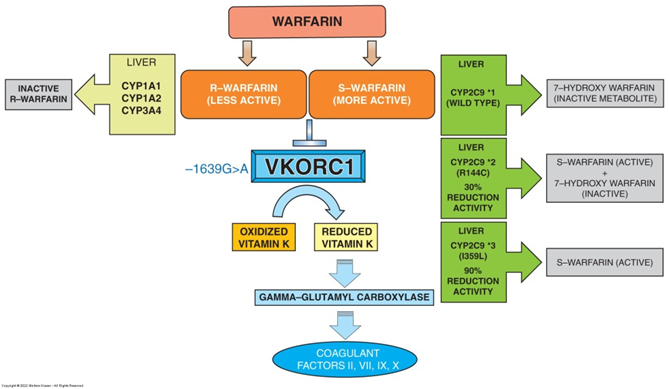
Warfarin Metabolism and Polymorphism #1
Warfarin is a commonly prescribed blood thinner used to prevent atrial fibrillation-induced strokes, as well as permanent damage following the onset of venous thromboembolism or pulmonary embolism.
It exists as a racemic mixture of R-warfarin and S-warfarin.
S-warfarin possesses the most anticoagulant properties through its action as a vitamin K antagonist.
Vitamin K plays a crucial role in the coagulation cascade as its reduced form acts as a cofactor of -glutamyl carboxylase.
Slide 25
Warfarin Metabolism and Polymorphism #2
This is accomplished by an upstream enzyme called vitamin K epoxide reductase complex, subunit 1 (VKORC1).
VKORC1 is the therapeutic target of warfarin and its inhibition results in decreased amounts of reduced vitamin K preventing coagulation factors from being activated.
Once its therapeutic window is achieved, S-warfarin is rapidly metabolized through the P-450 liver enzyme CYP2C9 to its inactive oxidized form (7-hydroxy warfarin).
Slide 26
Warfarin Metabolism and Polymorphism #2
Slide 27
Metabolism and Polymorphism
The rate at which S-warfarin is metabolized is highly dependent on the enzymatic activity of CYP2C9.
A less efficient metabolism and clearance of warfarin could lead to accumulation of its active form systemically leading to sustained anticoagulation effects.
Deaths have occurred due to excessive bleeding following warfarin treatment. It was later discovered that some patients do not have a fully functional CYP2C9 enzyme due to alleles containing mutations, preventing the proper inactivation of the potent S-warfarin.
Slide 28
Genetic Testing to Predict Drug Efficacy and Adverse Response
CYP2C9*1: Individuals possess normal enzyme activity.
CYP2C9*2: Carriers exhibit a 30% decrease in activity.
CYP2C9*3: Patients have as much as 90% decrease in their enzymatic activity.
Patients can carry two normal copies *1/*1 or a normal copy and a polymorphic *1/*2, or could have both copies with polymorphism *2/*3.
The target enzyme VKORC1 has also shown the presence of inactivating mutation -1639G>A.
Slide 29
Warfarin/Genetic Testing
For patients receiving warfarin treatment, genetic testing is recommended in order to predict which patients are carrying these mutations who would be at higher risk of bleeding.
A haplotype individual would require less warfarin to inhibit VKORC1 to produce similar anticoagulant effects.
The same is true for patients that carry CYP2C9*2 and *3 where the active form of warfarin does not go through clearance normally leading to immediate excessive bleeding.
Slide 30
Promises, Pitfalls, and Policy Implications #1
NGS: next-generation sequencing
WGS: whole genome sequencing
Exome sequencing
Targeted ribonucleic acid sequencing
Genetic Information Nondiscrimination Act (GINA 2008)
Ethical, legal, and social issues (ELSIs)
Slide 31
Promises, Pitfalls, and Policy Implications #2
Another area that is broadly presenting policy challenges involves ethical, legal, and social issues (ELSI) such as patient privacy and protection of data and genetic samples, return of results obtained within the context of research studies to patients, and decisions related to the use of genomic information and insurance coverage.
To date, the implementation of pharmacogenomics into clinical practice has presented with various ELSI and policy challenges.
Slide 32
Summary
Pharmacogenomics and personalized medicine provide both economic opportunities and challenges. The cost of different pharmacogenomic tests continues to decline, and there is increasing evidence for cost-effectiveness of pharmacogenomics, particularly its potential to reduce ADRs.
It is also important to consider how pharmacogenomics might increase costs, including the storage of genetic samples, resources for computational analysis, and interpretation of the findings.
Slide 33
The Economics of Pharmacotherapeutics
Slide 34
Learning Objectives
Describe the historical origins and evolution of health insurance and managed care organizations in the United States.
Compare and contrast the common types of prescription drug formularies and corresponding prescription copayment strategies.
Explain the responsibilities of a pharmacy and therapeutics (P&T) committee and describe the factors that P&T committees consider in their decision-making processes.
Discuss how formulary management tools (generic substitution, therapeutic interchange, prior authorization, and step therapy programs) can influence prescribing patterns.
Explain how emerging health technologies (electronic prescribing, electronic medical records, and telehealth) have influenced the delivery of care.
Slide 35
Encouraged the growth of managed care by providing grants and loans to develop Health Maintenance Organizations (HMOs).
Overturned restrictive state laws regulating health providers.
Defined a basic package of services that HMOs were required to offer.
Established procedures by which HMOs could become federally qualified.
Health Maintenance Organization Act of 1973
Slide 36
Pharmacoeconomic research assesses the "overall value" of medications in the treatment or prevention of the disease(s) they are intended to treat.
Because they evaluate both cost and human data, studies on pharmacoeconomics are important tools for managed care organizations (MCOs) in making drug therapy decisions.
Overview of Pharmaeconomics
Slide 37
Cost-benefit analysis
Used to determine the overall cost of a particular intervention or protocol by evaluating all pertinent data and converting the data to a monetary end point.
Cost-minimization analysis
Evaluates the cost of two or more interventions with equivalent components or end points and determines which intervention is least costly.
Types of Analyses #1
Slide 38
Cost-effectiveness analysis
May help determine the best program or intervention, where the desired outcome is a combination of both a monetary end point and a nonmonetary end point relative to an improvement in health.
Cost-utility analysis
Measures data in terms of quality of life.
These analyses predominantly use quality-adjusted life-years (QALYs) gained as a major outcome.
Types of Analyses #2
Slide 39
Contain a preferred medication list.
Usually organized by therapeutic area and medication class, with the formulary status and reimbursement category listed for each medication.
Encourage the use of medications considered to be safer, more clinically effective, or more cost-effective than other medications within the same therapeutic category.
Formularies and Pharmacy and Therapeutics Committees
Slide 40
Formularies begin with a basic plan summary and detail key points of reference and then proceed to the list of drugs.
The drugs are most often categorized within their respective therapeutic classes with the therapeutic classes listed in alphabetical order.
Additional information usually detailed for each drug includes the brand/generic status; the drug's relative cost.
A "formulary medication" is a drug that is covered (reimbursed) by the health plan.
Structure of Formularies
Slide 41
Closed: limit clinicians to prescribing from a limited list of preferred agents.
Open: usually do not involve a preferred group of agents; instead, they allow the prescriber to select any covered medication.
Tiered: are open formularies that set different copay tiers for generic, preferred, and nonpreferred medications.
Categories of Formularies
Slide 42
Which statement describes a characteristic of a tiered formulary?
A. It is based on the patient's ability to pay.
B. It sets different copays for medications.
C. It allows the prescriber to select any covered medication at the same copay.
D. It limits prescribers to a limited list of preferred agents.
Question #1
Slide 43
B. It sets different copays for medications.
Rationale: Tiered formularies are open formularies that set different copay tiers for generic, preferred, and nonpreferred medications. Closed formularies limit clinicians to prescribing from a limited list of preferred agents. Open formularies usually do not involve a preferred group of agents; instead, they allow the prescriber to select any covered medication.
Answer to Question #1
Slide 44
A portion of the cost of the prescription patients must pay.
Can differ from plan to plan and by geographic region.
Closed and open formularies usually have two copays; one for generics and one for brand drugs.
Tiered formularies have more than two copays, and each tier is related to a copay amount.
Tiered formularies usually have three tiers: generic drugs, preferred brand drugs, and nonpreferred brand drugs.
Copay
Slide 45
Promote the prescribing of safe, efficacious, and cost-effective medications.
Promote the use of less costly and equally efficacious medications (which are most often generic medications).
Financially incentivize the use of preferred brand drugs over nonpreferred brand drugs, or place barriers that prevent nonpreferred branded medications from being covered by the MCO.
Function of Formularies #1
Slide 46
Implement policies or programs with their formularies to promote appropriate drug utilization and the use of generic drugs and preferred brand drugs prior to nonpreferred and nonformulary drugs.
Function of Formularies #2
Slide 47
Generic substitution
Therapeutic interchange
Drug-dispensing limitations
Prior authorization and step-therapy programs
Medical necessity
Formulary Policies to Promote Appropriate Drug Utilization
Slide 48
Structure and function
Composed primarily of physicians and pharmacists and may also include nurses, nurse practitioners, physicians' assistants, and members of the organization's administration.
Formulary management
Develop and revise the formulary, create and implement medication-use policies, and provide education for practitioners.
Pharmacy and Therapeutics (P&T) Committee #1
Slide 49
Development of disease management programs or treatment protocols
These programs and protocols provide useful recommendations for practitioners treating various diseases.
Pharmacy and Therapeutics (P&T) Committee #2
Slide 50
Which statement accurately describes the structure and function of a P&T committee?
A. It is composed of pharmacists and insurance company Chief Financial Officers (CFOs).
B. It licenses pharmacists to practice in hospital settings.
C. It helps to develop and manufacture safe, effective generic medications.
D. It creates and implements medication-use policies.
Question #2
Slide 51
D. It creates and implements medication-use policies.
Rationale: The main responsibilities of a P&T committee are to develop and revise the formulary, create and implement medication-use policies, and provide education for practitioners. The committee is composed primarily of physicians and pharmacists and may also include nurses, nurse practitioners, physicians' assistants, and members of the organization's administration. The P&T promotes the use of effective generic products but does not develop or manufacture them nor does it license any practitioners.
Answer to Question #2
Slide 52
Prescriber incentives for compliance
Evaluating compliance: percentage formulary compliance
Health care trend reporting
Improving formulary compliance
Pharmacist reimbursement
Patient prescription copayment
Ensuring Formulary and Practice Guideline Compliance
Slide 53
Process whereby a prescriber orders and submits a prescription through an application that electronically transmits the prescription to a pharmacy in real time.
The ability of prescribers to directly transmit prescriptions from the office to the pharmacy eliminates the need for the patient to take it to the pharmacy to be filled.
E-prescribing has been shown to reduce prescribing errors.
Electronic Prescribing and Electronic Health Records
Slide 54
Cost of insurance premiums
Affordable Care Act Premises
Ensure accountability of MCOs.
Lower health care costs.
Improve quality of care.
Provide improved consumer choice for health care services.
Current Issues in Managed Care
Slide 55
Despite its critics and shortcomings, managed care is likely to remain the leading manner of financing and delivering health care in the United States.
It is imperative for practitioners and MCOs to understand each other's role in health care.
Although practitioners and MCOs have quite different responsibilities in health care, both groups share a common goal: the delivery of high-quality care to patients.
Summary

Extracted Images / Illustrations

Module 3: Antimicrobial Therapy, Resistance, Vaccines & Stewardship

Complete content preserved: this module contains the extracted PowerPoint/source material below in a Module 15-style reading layout. The format is changed, but the original source pages remain linked and the slide/source text is not intentionally summarized or omitted.

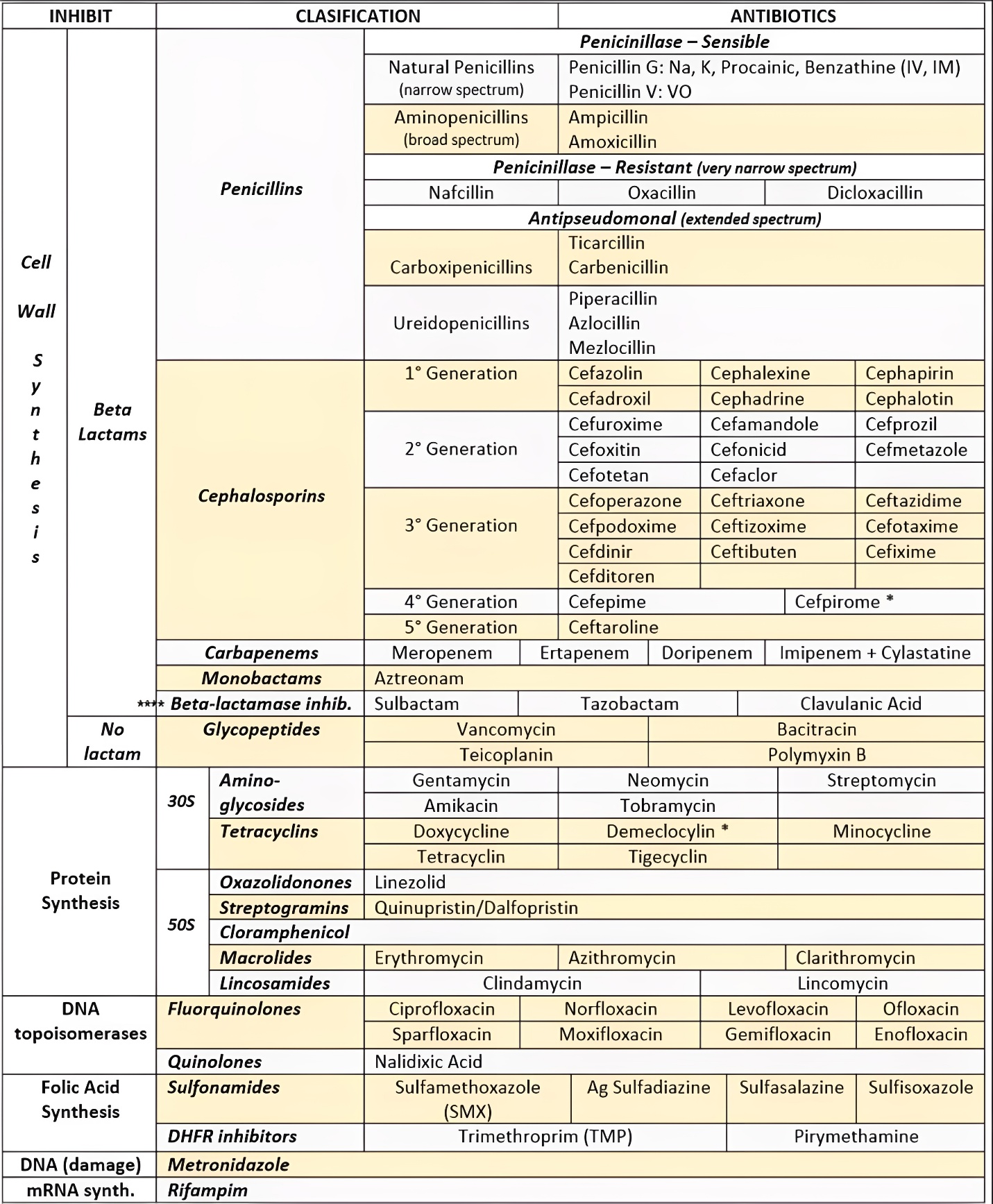
Antibiotic Classification ChartOpen original source page
Original source file is included in this package; the embedded viewer and full extracted text are available below.

Document Text Extract

Extracted Images / Illustrations

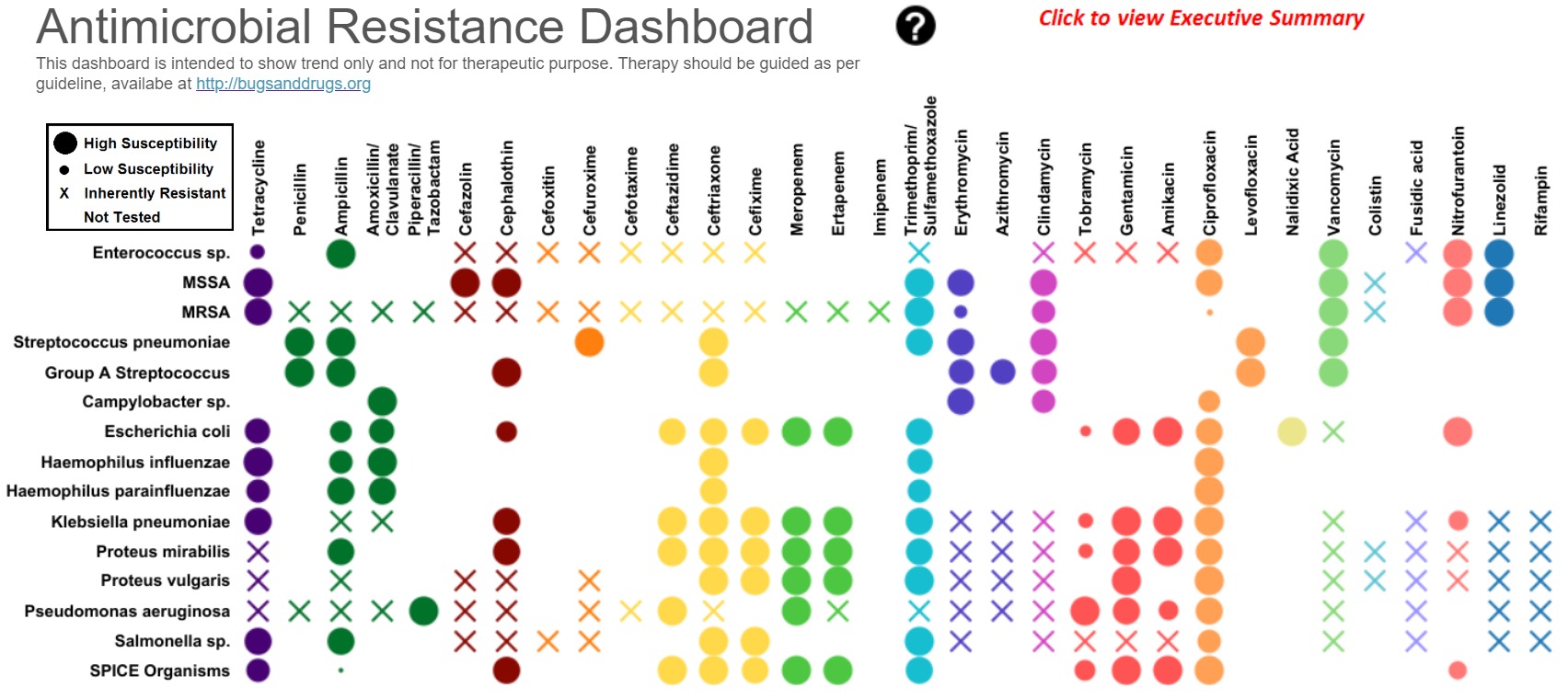
Antimicrobial Resistance Reference ChartOpen original source page
Original source file is included in this package; the embedded viewer and full extracted text are available below.

Document Text Extract

Extracted Images / Illustrations

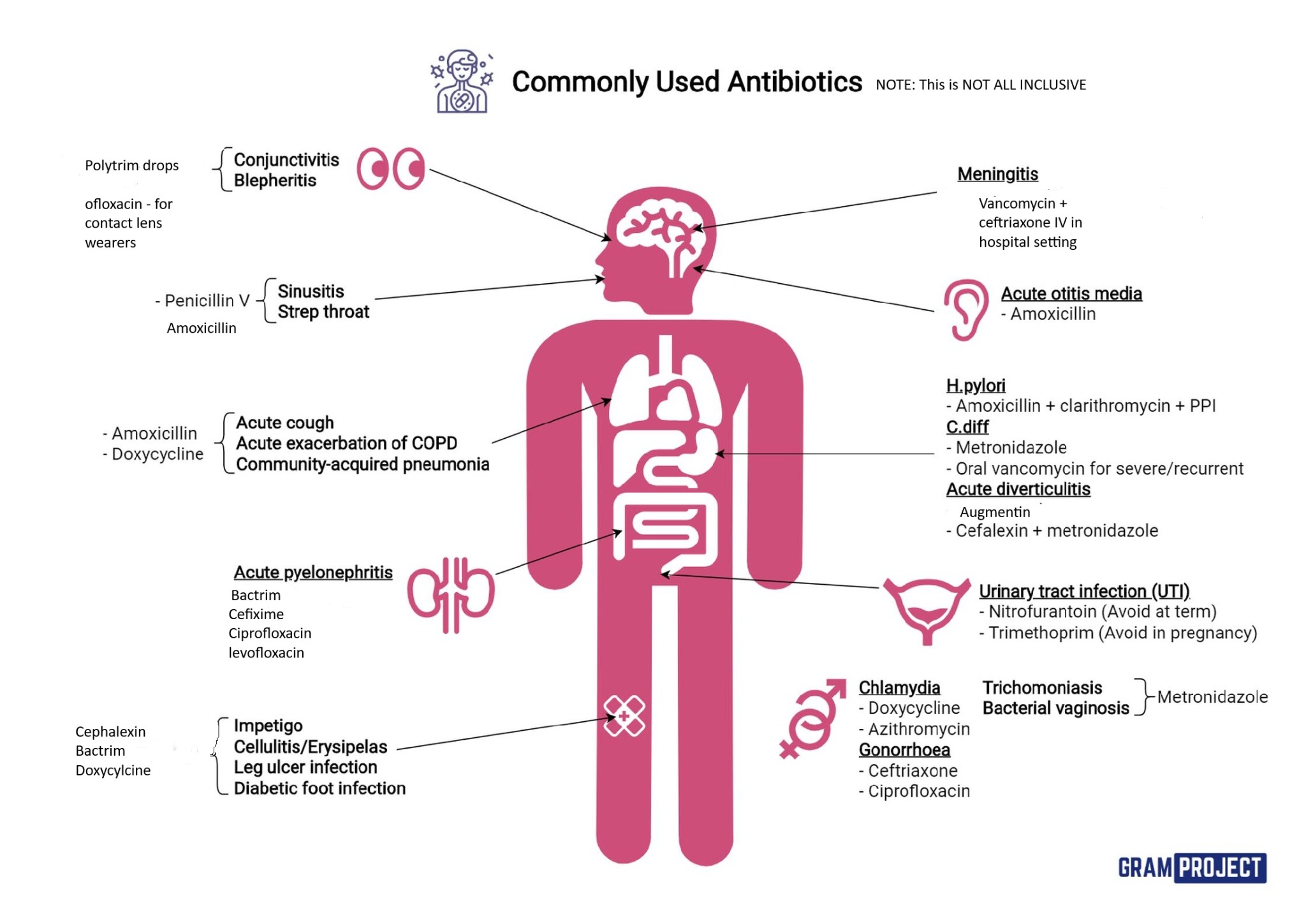
Commonly Used AntibioticsOpen original source page
Original source file is included in this package; the embedded viewer and full extracted text are available below.

Image / Illustration

Searchable Extracted Text

Image / illustration resource.
Module 3 Slides no narration antibioticsOpen original source page
Original source file is included in this package; the embedded viewer and full extracted text are available below.

Slide Text Extract

Improved reading view: slide text is enlarged, spaced out, and placed in expandable study cards. Use Expand all to read continuously, or search the whole textbook from the search box.

Slide 1
Pharmacotherapeutics for Advanced Practice:
Module 3 - Antimicrobials
N609
Slide 2
Learning Objectives
Discuss factors that may influence the selection of an appropriate antimicrobial regimen.
Given a clinical scenario, recommend a safe, effective and patient-specific antimicrobial treatment option.
Identify common mechanisms of antimicrobial resistance and the antimicrobial stewardship strategies that may be utilized.
Slide 3
Factors in Selecting an Antimicrobial Regimen
Identify the source and site of the infection.
Conduct medical history and physical examination to identify the signs and symptoms of the infection.
Identify underlying medical or social conditions.
Identify causative pathogen.
Collect specimens from most likely body sites.
Grow the causative organism in culture and perform antibiotic susceptibility testing.
Slide 4
Criteria for Converting from a Parenteral to an Oral Antibiotic
The patient is responding to therapy, as evidenced by a return to normal or a trend toward normal values in the patient's temperature and white blood cell count.
The patient can take oral medications and absorb them adequately.
An oral equivalent to the parenteral regimen exists. In choosing the oral equivalent, the goal is to select an agent (or agents) that provides a similar spectrum of antimicrobial activity and possesses good oral bioavailability.
Slide 5
Penicillins #1
They are classified based on their spectra of activity.
Most are administered parenterally.
They are widely distributed in the body and penetrate cerebrospinal fluid (CSF).
Most are excreted by the kidneys.
Half-life is typically 30 to 90 minutes.
They exhibit time-dependent bactericidal activity and postantibiotic effect (PAE) against most gram-positive organisms.
Slide 6
Penicillins #2
Mechanism of action: inhibition of bacterial cell growth by interference with cell wall synthesis.
Spectrum of activity: binding to and inactivating the penicillin-binding proteins (PBPs).
Clinical uses: treating infections of upper and lower respiratory tract, urinary tract, and central nervous system (CNS) and sexually transmitted diseases.
Adverse events: low incidence; most common are hypersensitivity reactions.
Slide 7
Beta-Lactam/Beta-Lactamase Inhibitor Combinations
Role: to prevent the breakdown of the beta-lactam by organisms that produce the enzyme-enhancing antibacterial activity.
Pharmacokinetics: diffuse into most body tissues except brain and CSF, and their half-life is approximately 1 hour; they are eliminated by glomerular filtration.
Mechanism of action: wall-active agents.
Clinical uses: treating polymicrobial infections.
Adverse effects: hypersensitivity and gastrointestinal (GI) side effects.
Slide 8
Cephalosporins
Divided into five "generations" based on their antimicrobial spectrum of activity.
Pharmacokinetics: well absorbed from the GI tract; penetrate into tissues and body fluids; are high concentrations in urinary tract; and most are excreted by the kidneys.
Action: interfere with bacterial cell wall synthesis by binding to and inactivating PBPs.
Uses: used in treating many infections; favorable toxicity profile.
Slide 9
Monobactams
Unique class of beta-lactams with a four-membered ring lacking a fifth or sixth member, like other beta-lactams.
Aztreonam (Azactam): only available agent of its class.
Pharmacokinetics: distribute well into most tissues; not extensively bound to proteins; half-life is 3 hours; excreted primarily unchanged by glomerular filtration.
Mechanism of action: interfere with bacterial cell wall synthesis; safe toxicity profile.
Clinical uses: treating urinary tract infections (UTIs) and respiratory tract infections.
Slide 10
Carbapenems
Bicyclical beta-lactams with a common carbapenem nucleus; most broad-spectrum agents available.
Pharmacokinetics: widely distributed into most tissues, are minimally bound to plasma proteins; 1 hour half-life; and are primarily eliminated by urinary excretion.
Mechanism of action: bind to the PBPs on cell wall and interfere with bacterial cell wall synthesis.
Clinical uses and adverse events: treating polymicrobial infections; neurotoxicity GI side effects reported.
Slide 11
Fluoroquinolones
Display a concentration-dependent killing effect.
Excellent bioavailability for transition from intravenous (IV) to oral form.
Distribute well into most tissues and fluids except CNS.
Half-life ranges from 4 to 12 hours; elimination is renal.
Strong inhibitors of deoxyribonucleic acid (DNA) gyrase and topoisomerase IV.
Possess activity against aerobic gram-negative organisms.
Effective in treating many infections; safe side effect profile.
Slide 12
Macrolides
Erythromycin (E-Mycin), the prototypical macrolide, has been used in treating many infections over the years. However, its use has been diminished by GI side effects.
Pharmacokinetics: oral; are absorbed from the GI tract; have good tissue penetration, high intracellular concentration, and minimal protein binding; and are metabolized via liver.
Clinical uses: treating respiratory tract, skin, and soft-tissue infections; sexually transmitted diseases; HIV-related Mycobacterium avium-intracellulare complex infection; and other infections caused by atypical organisms.
Slide 13
Aminoglycosides
Major drawback is potential for nephrotoxicity and ototoxicity.
Pharmacokinetics: poorly absorbed from GI tract, parenteral administration is necessary to treat systemic infections; they are weakly bound to serum proteins (10%) and freely distribute into the extracellular fluid.
Clinical uses: primarily used in treating gram-negative infections, including neutropenic fever and nosocomial infections.
Slide 14
Question #1
A clinician is choosing an antibiotic for a patient diagnosed with syphilis. What would be the best choice for this type of infection?
A. Penicillin
B. Beta-lactamase inhibitor
C. Quinolone
D. Aminoglycoside
Slide 15
Answer to Question #1
A. Penicillin
Rationale: The penicillin class is effective in many infections, including upper and lower respiratory tract, urinary tract, and CNS infections as well as sexually transmitted diseases. It is the treatment of choice for all stages of syphilis.
Slide 16
Tetracyclines
Possess activity against gram-positive, gram-negative, and atypical organisms, including rickettsiae, chlamydia, mycobacteria, and spirochetes.
They are separated into short-, intermediate-, and long-acting agents.
Doxycycline and minocycline are considered long-acting and the most active of the class.
Used in many settings and as alternatives when beta-lactams are not an option; frequently used to treat rickettsial, chlamydial, and gram-negative infections.
Slide 17
Sulfonamides
By-product of the dye prontosil rubrum.
Pharmacokinetics: readily absorbed from GI tract, distributed through all body tissues, enter CSF, pleural fluid, and synovial fluid; eliminated through glomerular filtration and hepatic metabolism.
Mechanism of action: inhibiting the incorporation of para-aminobenzoic acid, a basic building block of bacteria.
Clinical uses: treating ulcerative colitis, and in combination with other drugs for UTIs, pneumonia, toxoplasmosis, and resistant gram-negative infections.
Slide 18
Glycopeptides
Vancomycin: originally known as "Mississippi Mud" for impurities; important antibiotic has been used since 1980s; drug of choice for methicillin-resistant Staphylococcus aureus (MRSA) and other gram-positive infections.
Dalbavancin, oritavancin, and telavancin: newer additions to class; have a narrow spectrum of activity directed toward gram-positive organisms.
Serum drug monitoring is used for vancomycin in patients with unpredictable kidney function or severe infections or those receiving therapy for more than 3 to 5 days.
Slide 19
Oxazolidinones
Totally synthetic antibiotic class was first investigated in the late 1980s as antidepressant agents, then was discovered to have excellent antibacterial activity.
Main reason for their development is the emergence and spread of resistance in gram-positive pathogens.
Linezolid (Zyvox): treatment of community and nosocomial pneumonia, skin and skin structure infections, and vancomycin-resistant Enterococcus faecium.
Tedizolid: treatment of skin and skin structure infections.
Slide 20
Question #2
A practitioner is prescribing an aminoglycoside for a patient who contracted a nosocomial infection. What serious side effect would the practitioner monitor in this patient?
A. QTc prolongation
B. Pancreatitis
C. Peripheral neuropathy
D. Ototoxicity
Slide 21
Answer to Question #2
D. Ototoxicity
Rationale: The major drawback of the aminoglycosides has been their potential for drug-related toxicities (nephrotoxicity and ototoxicity). Because of these, their use or the length of therapy has been restricted. Peripheral neuropathy and QTc prolongation are rare but serious side effect of the fluoroquinolones (FQs). A rare side effect of metronidazole is pancreatitis.
Slide 22
Lipopeptides
Daptomycin: natural product developed for the treatment of multidrug-resistant gram-positive pathogens.
Pharmacokinetics: nearly linear and time independent at doses up to 6 mg/kg administered once daily for 7 days. Its half-life is approximately 8 hours.
Clinical uses: treating complicated skin and skin structure infections, bacteremia, including those with right-sided infective endocarditis, caused by methicillin-susceptible and methicillin-resistant isolates.
Slide 23
Streptogramins
Quinupristin/dalfopristin (Synercid): the only streptogramin antibiotic available in the United States.
Pharmacokinetics: not absorbed from the GI tract; IV administration, serum half-life of approximately 1 hour; moderately protein bound; metabolism is through liver; excreted in feces.
Clinical uses: treating skin and skin structure infections and vancomycin-resistant E. faecium infections.
Adverse events: infusion-related reactions; increased conjugated bilirubin.
Slide 24
Pleuromutilins
Lefamulin (Xenleta) belongs to a new class of agents known as the pleuromutilins.
Following IV and oral administration, lefamulin has a half-life of approximately 8 hours in patients with community-acquired bacterial pneumonia.
Lefamulin is generally well tolerated, with nausea and abdominal upset being the most common adverse effects reported after oral administration, and local infusion reactions are most commonly reported after IV administration.
Slide 25
Question #3
A clinician is treating a patient diagnosed with MRSA. What is the drug of choice for this type of infection?
A. Sulfasalazine
B. Vancomycin
C. Tigecycline
D. Doxycycline
Slide 26
Answer to Question #3
B. Vancomycin
Rationale: Vancomycin is frequently used to treat serious gram-positive infections in patients allergic to or unable to tolerate beta-lactam antibiotics, and it is the drug of choice for MRSA and other resistant gram-positive infections. Sulfasalazine (Azulfidine) is poorly absorbed and is used in the management of ulcerative colitis. Tigecycline is approved by the Food and Drug Administration for treating complicated skin and skin structure infections, intra-abdominal infections, and community-acquired pneumonia (CAP). Doxycyline is the drug of choice for the treatment of early Lyme disease and CAP.
Slide 27
Antianaerobic Agents: Clindamycin
Clindamycin: used extensively in treating gram-positive and anaerobic bacterial infections.
Clinical uses
Providing anaerobic coverage in mixed infections
Treating gram-positive infections, toxoplasmosis, and P. jiroveci pneumonia or in combination with other agents to treat pelvic inflammatory disease
Inhibiting toxin production as part of the treatment for staphylococcal or streptococcal toxic shock
Slide 28
Antianaerobic Agents: Metronidazole
Metronidazole (Flagyl): first recognized for its antiprotozoal activity in treating Trichomonas vaginalis infections. Subsequently, its utility as an antianaerobic agent was used in treating Bacteroides fragilis infections.
A treatment of choice for anaerobic infections, Clostridium difficile colitis, and is part of a number of regimens to eradicate Helicobacter pylori-associated duodenal ulcers.
Slide 29
Miscellaneous Antimicrobial Agents
Chloramphenicol has a wide spectrum of activity against gram-positive, gram-negative, and anaerobic organisms. However, its use has been limited by its toxicity profile, which includes "gray baby" syndrome, optic neuritis, and fatal aplastic anemia.
Rifampin is a macrocyclic antibiotic used in a variety of settings, and it is a first-line agent in treating tuberculosis. It is typically combined with other antibiotics such as vancomycin in treating MRSA infections.
Nitrofurantoin is an antimicrobial agent used only for treating and preventing UTIs.
Slide 30
Antimicrobial Resistance
Bacterial enzyme production
Decreased membrane permeability
Promotion of antibiotic efflux
Altered target sites/protection of target sites
Altered target enzymes
Overproduction of target enzymes
Slide 31
Examples of Drug-Resistant Bacteria
Extended spectrum beta-lactamases against Escherichia coli and Klebsiella, carbapenem-resistant Klebsiella
Fluoroquinolone-resistant gonococcus
MRSA
Vancomycin-intermediate S. aureus.
Slide 32
Ways to Improve Antibiotic Use
Formulary restrictions
Evidence-based prescribing
Dose optimization
Antibiotic streamlining
De-escalation
Slide 33
Summary
Overuse of antibiotics is well documented and has led to increased resistance to various strains of bacteria worldwide.
The Infectious Diseases Society of America has developed antibiotic stewardship guidelines, which recommend a multidisciplinary approach to improving antibiotic use, particularly in the hospital setting.
To minimize resistance, all prescribers must make an effort to ensure appropriate antibiotic use.
Slide 34
Course Text Reference:
Arcangelo, V. (2022). Pharmacotherapeutics for Advanced Practice: A Practical Approach. 5th ed.
Wolters Kluwer. Philadelphia, PA
Module 3 slides no narration special considerationsOpen original source page
Original source file is included in this package; the embedded viewer and full extracted text are available below.

Slide Text Extract

Improved reading view: slide text is enlarged, spaced out, and placed in expandable study cards. Use Expand all to read continuously, or search the whole textbook from the search box.

Slide 1
Pharmacotherapeutics for Advanced Practice:
Module 3 - Special Considerations: Pediatrics, Pregnancy/Lactation, Older Adults
N609
Slide 2
Part 1: Pediatrics, Pregnancy and Lacation
Slide 3
Part 1: Learning Objectives
Describe the differences in pharmacokinetics among pregnant women, neonates, children, and adults.
Describe the unique challenges neonatal and pediatric patients pose to the medication system, including drug selection and dosages.
Explain the potential and strategies for the prevention of medication errors in neonatal and pediatric patients.
Identify strategies to determine safe medication use in pregnancy based on available literature.
Determine the drug-related factors that would help guide safe and effective medication use in breast- feeding women.
Slide 4
Safe and Effective Drug Therapy in Pediatrics and Pregnant Patients #1
Effect on a drug's absorption, distribution, metabolism, and excretion based on the ongoing maturation and development in pediatric patients or the altered physiologic changes in the mother.
Interpatient variabilities may be attributed to physiologic changes throughout childhood or pregnancy.
Short- and long-term effects that the prescribed drug will have on a pediatric patient's growth and development.
Slide 5
Safe and Effective Drug Therapy in Pediatrics and Pregnant Patients #2
The placental-fetal unit, which affects the amount of drug that crosses the placental membrane, the amount of drug metabolized by the placenta, and the distribution and elimination of the drug by the fetus.
Effects of underlying congenital, chronic, or current diseases on the prescribed drug, and vice versa.
Slide 6
Pharmacokinetics in Pediatrics and Pregnancy #1
Changes in pediatric patient's body proportions and composition
Relative size of the liver and kidneys
Changes in intracellular and extracellular body water, fat, and protein
Slide 7
Oral Absorption
Gastric pH
Gastric emptying time and surface area
Gastrointestinal enzymes and microorganisms
Slide 8
Pharmacokinetics in Pediatrics and Pregnancy #2
Rectal absorption
Intramuscular and subcutaneous absorption
Percutaneous absorption
Mucosal absorption
Pulmonary absorption
Slide 9
Pharmacokinetics in Pediatrics and Pregnancy #3
Vascular perfusion
Body composition
Tissue-binding characteristics
Physicochemical properties
Plasma protein binding
Route of administration
Slide 10
Metabolism
Two phases of drug metabolism in the liver
Phase I: oxidation, reduction, and hydrolysis reactions
The P-450 cytochrome (CYP) is the most important component.
Phase II: conjugation reactions
Phase II glucuronidation reaction is deficient in neonates and infants.
Slide 11
Elimination
Glomerular filtration rate (GFR; passive diffusion)
GFR increases quickly during the first 2 weeks of postnatal life and does not approach adult rates until age 2.
Plasma clearance of many drugs via the kidneys is altered.
Tubular secretion (energy-dependent channels or pumps)
Rates do not reach adult values until age 5 to 7 months.
Slide 12
Question #1
A health care practitioner is prescribing penicillin for an infant. Which age-related factor should be considered when dosing drugs for this population?
A. Tubular secretion is decreased in infants.
B. Cardiac output to the kidney is increased in infants.
C. Tubular reabsorption rates are increased in infants.
D. GFR approaches adult rates at 6 months of age.
Slide 13
Answer to Question #1
A. Tubular secretion is decreased in infants.
Rationale: Decreased tubular secretion in neonates and infants can lengthen the elimination half-life of antibiotics, such as the penicillins and sulfonamides. Tubular secretion and reabsorption rates do not reach adult values until age 5 to 7 months, and the GFR increases quickly during the first 2 weeks of postnatal life but does not approach adult rates until age 2. This immaturity of the renal system in neonates and infants results from restricted blood flow and a resultant decrease in cardiac output to the kidneys.
Slide 14
Factors in Placental Fetal Physiology
Placental transfer of medications
Placental and fetal metabolism
Fetal physiology
Teratogenicity of medications
Slide 15
Drug Therapy in the Breast-Feeding Mother
Human breast milk as a drug delivery system
Blood flow to the breast
Plasma pH (7.45) and milk pH (7.08)
Mammary tissue composition
Breast milk composition
Physiochemical properties of the drug
Extent of drug-protein binding in plasma and breast milk
Rate of breast milk production
Slide 16
Drug Selection in Pediatrics
Risks and benefits
Long-term effects
Dosage formulation
Dosage
Obesity
Slide 17
Guidelines for Writing a Pediatric Medication Order
Determine the patient type (i.e., neonate, pediatric, and adolescent).
Assess the appropriateness of the drug therapy selected in this patient type, patient population, and/or disease state.
Establish the appropriate dose, route, formulation, and frequency based on the recommended references mentioned in the following section.
If all resources have been exhausted or further information is needed, contact a pharmacist.
Slide 18
Question #2
An oncologist is calculating a dosage of an antineoplastic drug for a child. What is the best basis for an accurate dosage for this patient?
A. Weight
B. Concurrent drug therapy
C. Body surface area (BSA)
D. Stage of development
Slide 19
Answer to Question #2
C. Body surface area (BSA)
Rationale: Although body weight-based dosing is the most common method for pediatric dosing, drug dosages based on a patient's BSA are usually used for antineoplastic agents or critically ill patients. BSA correlates closely with many factors that influence drug elimination, including cardiac output, respiratory metabolism, blood volume, extracellular water volume, GFR, and renal blood flow.
Slide 20
Question #3
A health care practitioner is prescribing an aerosol medication for a 3-year-old with asthma. What device would be most appropriate for this patient?
A. Breath-actuated metered-dose inhaler (MDI)
B. Dry-powder inhaler
C. Valved holding chamber (VHC) + face mask
D. MDI without spacer or VHC
Slide 21
Answer to Question #3
C. Valved holding chamber (VHC) + face mask
Rationale: A VHC with a face mask is appropriate for a patient under 4 years old. A breath-actuated MDI is used for a patient 5 years or older. A dry-powder inhaler is appropriate for a 4-year-old or older, and a metered-dose inhaler without a spacer or valved holding chamber is appropriate for a patient 5 years or older.
Slide 22
Part 2: Pharmacotherapy Principles in Older Adults
Slide 23
Part 2: Learning Objectives
Describe the various physiological changes that occur in the older adult that affect pharmacokinetic and pharmacodynamics responses.
Identify at least four drugs that are problematic to use in the older adult.
Discuss safe prescribing practices for the older adult.
Describe the behavioral and psychological symptoms of dementia.
Slide 24
Challenges in Pharmacotherapy for Older Adults
Unique physiology
Multiple chronic comorbid conditions (polypharmacy)
Cognitive and social issues affecting adherence
Lack of testing of pharmaceuticals for this population
Slide 25
Adverse Effects of Pharmacotherapy in Older Adults
Falls
Fractures
Delirium
Slide 26
Factors Affecting Absorption of Drugs in Older Adults
Oropharyngeal muscle dysmotility and altered swallowing
Reduction in esophageal peristalsis and lower esophageal sphincter pressure
Delayed motility and gastric emptying
Decreased propulsive motility of the colon
Decreased gastric secretion
Impairment of the mucous-bicarbonate barrier
Slide 27
Factors Affecting Distribution of Drugs in Older Adults
Muscle shifts to increased fat stores.
Body water content decreases.
Serum albumin is reduced by approximately 20% leading to increase in free drug concentration of some drugs.
Change in serum proteins causes potential toxicity.
Body mass changes lead to changes in body content of drugs.
Increase in Vd can lead to increased half-lives and drug accumulation.
Slide 28
Factors Affecting Elimination of Drugs in Older Adults
Decrease in hepatic blood flow and size of liver
Decrease in phase I metabolism, particularly oxidation causing decreased total body clearance; however, phase II metabolism by conjunction not affected by age
Decrease in renal blood flow and drop in glomerular filtration rate
Slide 29
Question #1
When prescribing drugs for an older adult, what factor affecting elimination of drugs does NOT need to be considered?
A. The kidney is the major organ of drug metabolism for older adults.
B. Phase II metabolism of drugs by conjugation
C. Aging produces an increase in hepatic blood flow.
D. Increased oxidation of drugs occurs with aging.
Slide 30
Answer to Question #1
B. Phase II metabolism of drugs by conjugation
Rationale: The phase II metabolism of drugs by conjugation, which promotes drug elimination by breaking the drug into water-soluble components, is not affected by age. The liver is the major organ of drug metabolism in the body. With aging comes a decrease in blood flow and liver size. Decreased oxidation of drugs results in a decreased total body clearance.
Slide 31
Pharmacodynamic Changes in the Older Adult
Increased central nervous system effects of drugs
Increased sedative effects of agents
Changes in cardiovascular system may occur causing orthostatic hypotension
Risk for syncopal episode with drugs lowering blood pressure
Slide 32
Polypharmacy
Varied symptoms and complaints associated with multiple chronic illnesses
Pressure on practitioner to "prescribe something"
Prescribing cascade
Patient stockpiling of medications
Patients sharing medications
Polyproviders
Self-prescribing of over-the-counter medications by patients
Slide 33
Contributing Lifestyle Factors for Adverse Drug Reactions
Alcohol and recreational drugs
The combination of comorbid conditions, physiological changes with age, and concomitant medications is often potentiated with alcohol and drug usage.
Caffeine and nicotine use
Caffeine and nicotine are among some of the most commonly used products that have the potential to interact with certain drugs, thereby altering efficacy and therapeutic drug levels.
Slide 34
Adherence Issues
Cost factors
Side effects
Physical and mental changes
Self medication issues
Slide 35
Special Considerations in Long-Term Care
Falls and medication
Antipsychotics
Anxiolytics
Antidepressants
Other disorders and drug therapies
Slide 36
Reducing Psychotic Medication Use
Prevent initiation of inappropriate use of psychotropic medications in residents.
Taper and discontinue inappropriate psychotropic medications, to ensure that use of the medications is appropriate and that monitoring and documentation are properly conducted.
Improve disruptive behaviors while limiting/diminishing the use of psychotropic medications, by educating and encouraging prescribers and nursing facility staff to adopt a more structured and broader approach to management of behavioral symptoms.
Slide 37
Nonpharmacologic Antianxiety Treatments
Establishing daily routines in a structured environment
Consistently providing the same caregiver for bathing and hygiene assistance
Avoiding overstimulation from activities
Limiting social visits
Scheduling quiet time with rest or naps
Slide 38
Other Disorders Associated with Long-Term Care
Severe or persistent pain
Urinary incontinence, urinary tract infections (UTIs)
Respiratory infections
Constipation
Slide 39
Guidelines for Safe Prescribing #1
Beer's criteria
Choosing wisely initiative
"Things Providers and Patients Should Question"
AMDA-The Society for Post-Acute and LTC Medicine
Slide 40
Focus of AMDA's "Five Things to Question"
Dementia and behavioral and psychological symptoms of dementia (BPSD)
Screening and medication management
Antibiotic use
Diabetes management
Nutritional management
Slide 41
Dementia and BPSD
Not prescribing cholinesterase inhibitors without periodic assessment for cognitive and gastrointestinal (GI) effects
Assessing the use of chemical and physical restraints
Not using antipsychotic medications for BPSD in individuals with dementia as first choice or without an assessment for an underlying cause of the behavior
Not using benzodiazepines or other sedative-hypnotics as first choice for insomnia, agitation, or delirium
Avoiding use of physical restraints for hospitalized older adults when delirium was called out
Slide 42
Question #2
A health care practitioner is caring for an older patient diagnosed with dementia. Which measure is appropriate for this patient?
A. Ordering physical restraints to prevent falls
B. Ordering antipsychotic medication for BPSD as first-line therapy
C. Periodically assessing a patient who is taking a cholinesterase inhibitor
D. Treating insomnia with benzodiazepines
Slide 43
Answer to Question #2
C. Periodically assessing a patient who is taking a cholinesterase inhibitor
Rationale: Cholinesterase inhibitors should not be used for dementia without periodic assessment for perceived cognitive benefits and adverse GI effects. Antipsychotic medications should not be prescribed for BPSD in individuals with dementia as first choice or without an assessment for an underlying cause of the behavior. Physical and unnecessary chemical restraints such as treating insomnia with benzodiazepines should be avoided if possible.
Slide 44
Guidelines for Safe Prescribing #2
Screening and medication management
Antibiotic use
Diabetes management
Nutritional support
Exploring alternatives to medication
Simplifying the regimen
Educating adults and caregivers
Reviewing medications
Slide 45
Question #3
Which action by the interdisciplinary team member is appropriate for an older adult diagnosed with dementia?
A. Not using chemical restraints to manage symptoms of dementia.
B. Using antibiotics only when bacterial infection is clearly indicated.
C. Requesting urine analysis frequently for early treatment of UTI.
D. Using sliding scale insulin (SSI) for diabetes management.
Slide 46
Answer to Question #3
B. Using antibiotics only when bacterial infection is clearly indicated.
Rationale: Both the American Geriatrics Society and AMDA recommend not to use antimicrobials to treat bacteriuria in older adults unless specific urinary tract symptoms are present. Chemical restraints should be used to manage symptoms of dementia. Urine analysis should not be requested unless there is a clear indication of bacterial infection. Diabetes should be managed through the use of HgbA1c target and regularly scheduled antidiabetic medications thus avoiding SSI.
Slide 47
Summary
Three quotes summarize best practice:
"Any symptom in an elderly patient should be considered a drug side effect until proved otherwise"
Medications in older adults should "start low and go slow".
"A medication only works if the patient takes it"
Slide 48
Course Text Reference:
Arcangelo, V. (2022). Pharmacotherapeutics for Advanced Practice: A Practical Approach. 5th ed.
Wolters Kluwer. Philadelphia, PA

Module 4: Cardiovascular Pharmacotherapeutics

Complete content preserved: this module contains the extracted PowerPoint/source material below in a Module 15-style reading layout. The format is changed, but the original source pages remain linked and the slide/source text is not intentionally summarized or omitted.

jnc-8-hypertension-guideline-algorithmOpen original source page
Original source file is included in this package; the embedded viewer and full extracted text are available below.

Original PDF Viewer

Searchable Extracted Text

Page 1
No
No
Yes
No
Black
JNC 8 Hypertension Guideline Algorithm
Lifestyle  changes:
-  Smoking Cessation
-  Control blood glucose and lipids
-  Diet
Eat healthy (i.e., DASH diet)
Moderate alcohol consumption
Reduce sodium intake to no
more than 2,400 mg/day
-  Physical activity
Moderate-to-vigorous activity
3-4 days a week averaging 40
min per session.
Adult aged >= 18 years with HTN
Implement lifestyle modifications
Set BP goal, initiate BP-lowering medication based on algorithm
General Population
(no diabetes or CKD)
Diabetes or CKD present
Age  >= 60 years
Age  < 60 years
All Ages
Diabetes present
No CKD
All Ages and Races
CKD present with or
without diabetes
BP Goal
< 150/90
BP Goal
< 140/90
BP Goal
< 140/90
BP Goal
< 140/90
Nonblack
Yes
Initiate thiazide or CCB,
alone or combo
Initiate ACEI or ARB,
alone or combo
w/another class
Reinforce lifestyle and adherence
 Titrate medications to maximum doses or consider adding another medication  (ACEI, ARB, CCB, Thiazide)
At blood pressure goal?
Reinforce lifestyle and adherence
Add a medication class not already selected (i.e. beta blocker, aldosterone antagonist, others) and titrate
above medications to max (see back of card)
Initiate thiazide, ACEI, ARB,
or CCB, alone or in combo
Reinforce lifestyle and adherence
Titrate meds to maximum doses, add another med and/or refer to hypertension specialist
Yes
Continue tx and monitoring
Initial Drugs of Choice for Hypertension
-  ACE inhibitor (ACEI)
-  Angiotensin receptor blocker (ARB)
-  Thiazide diuretic
-  Calcium channel blocker (CCB)
At blood pressure goal?
Strategy
Description
A
Start one drug, titrate to maximum
dose, and then add a second drug.
B
Start one drug, then add a second
drug before achieving max dose of
first
C

Begin 2 drugs at same time, as
separate pills or combination pill.
Initial combination therapy is
recommended if BP is greater than
20/10mm Hg above goal
At blood pressure goal?
Reference: James PA, Ortiz E, et al. 2014 evidence-based guideline for the management
of high blood pressure in adults: (JNC8). JAMA. 2014 Feb 5;311(5):507-20
Card developed by Cole Glenn, Pharm.D. & James L Taylor, Pharm.D.

Page 2
Compelling Indications
Indication
Treatment Choice
Heart Failure
ACEI/ARB + BB + diuretic + spironolactone
Post -MI/Clinical CAD
ACEI/ARB AND BB
CAD
ACEI, BB, diuretic, CCB
Diabetes
ACEI/ARB, CCB, diuretic
CKD
ACEI/ARB
Recurrent stroke prevention
ACEI, diuretic
Pregnancy
labetolol (first line), nifedipine, methyldopa
Beta-1 Selective Beta-blockers - possibly safer in patients
with COPD, asthma, diabetes, and peripheral vascular
disease:
-  metoprolol
-  bisoprolol
-  betaxolol
-  acebutolol
Drug Class
Agents of Choice
Comments
Diuretics
HCTZ 12.5-50mg, chlorthalidone 12.5-25mg, indapamide 1.25-2.5mg
triamterene 100mg
K+ sparing - spironolactone 25-50mg, amiloride 5-10mg, triamterene
100mg

furosemide 20-80mg twice daily, torsemide 10-40mg
Monitor for hypokalemia
Most SE are metabolic in nature
Most effective when combined w/ ACEI
Stronger clinical evidence w/chlorthalidone
Spironolactone - gynecomastia and hyperkalemia
Loop diuretics may be needed when GFR <40mL/min
ACEI/ARB
ACEI: lisinopril, benazapril, fosinopril and quinapril 10-40mg, ramipril 5-
10mg, trandolapril 2-8mg
ARB: candesartan 8-32mg, valsartan 80-320mg, losartan 50-100mg,
olmesartan 20-40mg, telmisartan 20-80mg
SE: Cough (ACEI only), angioedema (more with ACEI),
hyperkalemia
Losartan lowers uric acid levels; candesartan may
prevent migraine headaches
Beta-Blockers
metoprolol succinate 50-100mg and tartrate 50-100mg twice daily,
nebivolol 5-10mg, propranolol 40-120mg twice daily, carvedilol 6.25-25mg
twice daily, bisoprolol 5-10mg, labetalol 100-300mg twice daily,
Not first line agents - reserve for post-MI/CHF
Cause fatigue and decreased heart rate
Adversely affect glucose; mask hypoglycemic awareness
Calcium channel
blockers
Dihydropyridines: amlodipine 5-10mg, nifedipine ER 30-90mg,
Non-dihydropyridines: diltiazem ER 180-360 mg, verapamil 80-120mg 3
times daily or ER 240-480mg
Cause edema; dihydropyridines may be safely combined
w/ B-blocker
Non-dihydropyridines reduce heart rate and proteinuria
Vasodilators
hydralazine 25-100mg twice daily, minoxidil 5-10mg


terazosin 1-5mg, doxazosin 1-4mg given at bedtime
Hydralazine and minoxidil may cause reflex tachycardia
and fluid retention - usually require diuretic + B-blocker

Alpha-blockers may cause orthostatic hypotension
Centrally-acting
Agents
clonidine 0.1-0.2mg twice daily, methyldopa 250-500mg twice daily

guanfacine 1-3mg
Clonidine available in weekly patch formulation for
resistant hypertension
Hypertension Treatment
Module 4 Cardiovascular MedicationsOpen original source page
Original source file is included in this package; the embedded viewer and full extracted text are available below.

Slide Text Extract

Improved reading view: slide text is enlarged, spaced out, and placed in expandable study cards. Use Expand all to read continuously, or search the whole textbook from the search box.

Slide 1
Pharmacotherapeutics for Advanced Practice:
Module 4 Cardiovascular
N609
Slide 2
Hypertension
Slide 3
Classifications of Hypertension
Primary or essential
Affects 95% of adults
Cause unknown; contributing factors are environmental and genetic
Secondary
5% of all hypertension; cause is identified
Idiopathic
No identifiable cause
Slide 4
Types of Secondary Hypertension
Chronic kidney disease (CKD): anemia, low glomerular filtration rate, small kidney
Renovascular hypertension: abdominal bruit, elevated plasma renin activity, >30% elevation of creatinine with starting blood pressure (BP)-lowering agents, hypothyroidism
Hyperparathyroidism: elevated calcium
Pheochromocytoma
Sleep apnea
Primary aldosteronism: hypokalemia, ratio serum aldosterone/plasma renin activity >25:30
Slide 5
Medications That May Increase Blood Pressure
Oral contraceptives
Nicotine
Steroids
Appetite suppressants
Tricyclic antidepressants, the antidepressant venlafaxine (Effexor)
Cyclosporine (Sandimmune), nasal decongestants
Nonsteroidal anti-inflammatory drugs
Slide 6
Pathophysiology
Role of the nervous system
Role of the renal system
Slide 7
Diagnostic Criteria for Hypertension
Joint National Committee guidelines for prehypertension and hypertension
Ambulatory BP monitoring (ABPM): recommended for patients with suspected variable BP
Physical examination
Diagnostic tests
Slide 8
Routine Diagnostic Tests/Hypertension
Electrocardiogram
Blood glucose; hemoglobin, hematocrit
Complete chemistry panel especially serum potassium, calcium, and magnesium
Complete urinalysis, creatinine, estimated glomerular filtration rate
Liver function tests
Glycosylated hemoglobin (hemoglobin A1c) and fasting lipid panel (9- to 12-hour fast)
Slide 9
Goals of Drug Therapy
Manage hypertension.
Reduce cardiovascular disease (including lipid disorders, glucose intolerance or diabetes, obesity, and smoking) and renal disease.
Attain treatment goal of systolic blood pressure (SBP) less than 140 mm Hg and diastolic blood pressure (DBP) less than 90 mm Hg with special note of higher goals for older patients.
Slide 10
Nonpharmacological and Antihypertensive Treatment
Maintain appropriate body weight (BMI of 19.5 to 24.9).
Adopt the Dietary Approaches to Stop Hypertension diet, USDA Food Pattern Diet, or the AHA diet.
Restrict dietary sodium to less than 2.4 g QD.
Increase physical activity.
Reduce alcohol consumption.
Slide 11
Diuretics
Classes
Carbonic anhydrase inhibitors (not used for hypertension because of their weak antihypertensive effects), thiazides, thiazide-like diuretics, loop diuretics, and potassium-sparing diuretics.
Action
Decrease BP by causing diuresis, which results in decreased plasma volume, stroke volume, and cardiac output; may cause hypokalemia.
Slide 12
Beta-Adrenergic-Blocking Agents
Atenolol (Tenormin) 25-100 mg QD
Bisoprolol (Zebeta) 2.5-10 mg
Metoprolol tartrate (Lopressor) 50-100 QD-BID
Nadolol (Corgard) 40-120 mg QD
Propranolol (Inderal, Inderal LA) 40-160 mg BID 60-180 mg BID
Metoprolol succinate (Toprol-XL) 50-100 mg QD-BID
Acebutolol (Sectral) 200-600 mg BID
Slide 13
Angiotensin-Converting Enzyme Inhibitors
Benazepril (Lotensin) 10-40 mg QD-BID
Captopril (Capoten) 25-100 mg BID-TID
Fosinopril (Monopril) 10-40 mg QD
Lisinopril (Prinivil, Zestril) 10-40 mg QD
Moexipril (Univasc) 7.5-30 mg QD
Quinapril (Accupril) 10-80 mg QD
Ramipril (Altace) 2.5-20 mg QD
Trandolapril (Mavik) 1-4 mg QD
Slide 14
Angiotension II Receptor Blockers
Losartan (Cozaar) 25-100 mg QD-BID
Valsartan (Diovan) 80-320 mg QD
Candesartan cilexetil (Atacand) 8-32 mg QD
Irbesartan (Avapro) 150-300 mg QD
Telmisartan (Micardis) 20-80 mg QD
Eprosartan (Teveten) 400-800 mg QD-BID
Olmesartan (Benicar) 20-40 mg QD
Slide 15
Calcium Channel Blocking Agents #1
Nondihydropyridines
Diltiazem HC1 (Cardizem SR, Cardizem CD) (Dilacor XR) (Tiazac) 180-420 mg QD (Diltia XR) 120-480 mg QD
Verapamil HC1 (Isoptin SR, Calan SR, Verelan) 120-480 mg QD
Dihydropyridines
Amlodipine (Norvasc) 2.5-10 mg QD
Slide 16
Calcium Channel Blocking Agents #2
Dihydropyridines (cont.)
Felodipine (Plendil) 2.5-20 mg QD
Isradipine (DynaCirc) 2.5-10 mg BID (DynaCirc CR) 5-10 mg BID
Nicardipine (Cardene SR) 60-120 mg BID
Nifedipine (Procardia XL) 30-60 mg QD
Nisoldipine (Sular) 10-40 mg QD
Slide 17
Peripheral Alpha-1 Receptor Blockers
Doxazosin (Cardura) 1-16 mg QD
Prazosin (Minipress) 2-20 mg BID-TID
Terazosin (Hytrin) 1-20 mg QD-BID
Slide 18
Central Alpha-2 Receptor Agonists
Clonidine (Catapres) 0.1-0.8 mg BID-TID
Transdermal (Catapres TTS) one patch weekly (0.1-0.3 mg/d)
Guanabenz (Wytensin) 4-64 mg BID
Guanfacine (Tenex) 0.5-2.0 mg QD
Methyldopa (Aldomet) 250-1,000 mg BID
Slide 19
Direct Vasodilators
Hydralazine (Apresoline) 25-100 mg BID
Minoxidil (Loniten) 2.5-80 mg QD-BID
Slide 20
Question #1
A practitioner is prescribing losartan (Cozaar) for a patient newly diagnosed with primary hypertension. What is an appropriate dose for this patient?
A. 25 mg QD-BID
B. 125 mg QD-bid
C. 320 mg QD
D. 32 mg QD
Slide 21
Answer to Question #1
A. 25 mg QD-BID
Rationale: A starting dosage of losartan is 25 mg QD-BID. If goal is not reached, the drug can be titrated up to achieve maximum effectiveness.
Slide 22
Question #2
A patient with hypertension is prescribed a thiazide diuretic. What type of supplement may this patient need?
A. Vitamin C
B. Calcium
C. Potassium
D. Vitamin D
Slide 23
Answer to Question #2
C. Potassium
Rationale: As a result of drug-induced diuresis, hypokalemia occurs in 15% to 20% of patients taking low-dose thiazide diuretics; therefore, potassium supplements can be utilized by some patients.
Slide 24
Special Population Considerations #1
Pediatric patients
Managed by the fourth report from the National High Blood Pressure Education Working Group for Hypertension Management Children and Adolescents.
Diagnosis based on the child's age and goal ranges of the SBP and/or DBP falls into percentiles.
Geriatric patients
TONE: in older patients with hypertension, BP can be reduced by low-sodium diets and weight loss.
Slide 25
Special Population Considerations #2
Geriatric patients (cont.)
Older patients are very sensitive to medications that cause sympathetic inhibition and are at greater risk of becoming volume depleted than their younger patients.
Black patients
Old thought: High hypertension risk factors: low circulating renin levels with excessive levels of angiotensin II; endothelial dysfunction as a result of reduced bradykinin and nitric oxide; abnormal sympathetic nervous system activation; and higher levels of intracellular calcium stores.
Slide 26
Special Population Considerations #3
Black patients
New info: ALLHAT trial found no significant differences in hypertensive outcomes between diuretics and CCBs in black patients
AHA and ACC no longer use race in their treatment algorithms for hypertension
Slide 27
Hypertension in Patients with Diabetes
Hypertension increases cardiovascular risks in diabetic patients.
Current guidelines recommend lowering BP to <140/90.
All patients should be encouraged to modify their lifestyle, to limit sodium intake, lose weight, and exercise for 150 minutes/week.
All major antihypertensive drug classes, renin-angiotensin-aldosterone systems (RAAS) blockers, beta-blockers, diuretics, and calcium blockers are useful in diabetic patients. Angiotensin-converting enzyme inhibitor (ACEI) and angiotensin II receptor blockers (ARBs) are recommended.
Slide 28
Question #3
A practitioner is choosing an antihypertensive drug for a patient who has diabetes. What is considered the cornerstone of therapy for this patient?
A. Two RAAS blockers or the use of ACEI and an ARB in combination
B. ACEI and ARBs
C. RAAS blockers and diuretics
D. Diuretics alone
Slide 29
Answer to Question #3
B. ACEI and ARBs
Rationale: All major antihypertensive drug classes, RAAS blockers, beta-blockers, diuretics, and calcium blockers are useful in diabetic patients. ACEI and ARBs are considered the cornerstone of therapy. Combination therapy consisting of two RAAS blockers or the use of ACEI and an ARB in combination is not recommended because of the risk of causing renal impairment, hypotension, and hyperkalemia.
Slide 30
Hypertensive Emergency/Hypertensive Urgency
Definition: extremely high SBP and/or DBP
Hypertensive emergency: end-organ damage is present
Goal: protect remaining end-organ function, reduce risk of complications, and improve outcomes
Hypertensive urgency: crisis without evidence of organ damage
Immediate treatment with intravenous antihypertensive agent(s) is needed to salvage viable tissue
Slide 31
Commonly Used Medications for Hypertensive Emergencies
Direct vasodilators (hydralazine)
Nitrates (sodium nitroprusside, nitroglycerin)
Calcium channel blockers (nicardipine, clevidipine)
Sympathoplegic agents (labetalol, esmolol)
Alpha-I blockers (phentolamine)
ACEIs (enalaprilat)
Slide 32
Patient Education
Importance of adhering to therapy
Consequences of uncontrolled hypertension
Side effects and actions to take to relieve them
Which adverse reactions to report to practitioner
Nutrition/lifestyle changes
Complementary and alternative medications (to date, there is no evidence that alternative medications reduce BP)
Slide 33
Hypertension Summary
Hypertension is a complex chronic disease both in terms of pathophysiology and treatment.
Hypertension increases the risk for cardiovascular disease and CKD.
Heart disease is a prevalent cause of death in the United States, thus making management of a patient's BP crucial.
Successful treatment of high pressure can help prevent negative outcomes.
Slide 34
Hyperlipidemia
Slide 35
Hyperlipidemia (Dyslipidemia, Hypercholesterolemia)
Definition: blood disorder characterized by elevations in blood cholesterol levels; one of the major contributing risk factors in the development of coronary heart disease (CHD).
Causes: increased level of any of the lipoproteins; in 95% of all those with hyperlipidemia, the cause is a combination of genetic and environmental factors.
Slide 36
Secondary Factors Causing Hyperlipidemia
Medications (e.g., beta-blockers and oral contraceptives)
Concomitant disease states or other conditions (e.g., diabetes mellitus and pregnancy)
Diets high in fat and cholesterol
Lack of exercise
Obesity
Smoking
Slide 37
Pathophysiology/Hyperlipidemia
Major plasma lipids: cholesterol, triglycerides, phospholipids.
Lipoproteins are produced in the liver and intestines, but endogenous production of lipoproteins occurs primarily in the liver.
Apolipoproteins: specialized proteins that identify specific receptors to which the lipoprotein will bind; they play a role in the development or prevention of hyperlipidemia by controlling the interaction and metabolism of the lipoproteins.
Slide 38
Lipoproteins and Lipid Metabolism
Chylomicrons: composed primarily of triglycerides
Very-low-density lipoproteins (VLDLs): composed of cholesterol and triglycerides; are the major carrier of endogenous triglycerides
Intermediate-density lipoproteins (IDLs): contains the most cholesterol by weight of all the lipoproteins
Low-density lipoproteins (LDLs): "bad" cholesterol
High-density lipoproteins (HDLs): "good" cholesterol
Slide 39
Pathogenesis of Atherosclerosis #1
Coronary heart disease (ASCVD)
Myocardial infarction
Significant myocardial ischemia (angina pectoris)
History of coronary artery bypass graft
History of coronary angioplasty
Angiographic evidence of lesions
Slide 40
Pathogenesis of Atherosclerosis #2
Peripheral vascular disease
Claudication
Carotid artery disease
Thrombotic stroke
Transient ischemic attack
Slide 41
Risk Assessment
In 2018, the American College of Cardiology (ACC) and the American Heart Association (AHA) released updated guidelines on the management of blood cholesterol.
Assessment of traditional ASCVD risk factors in patients age 20 to 79 without a history of CVD every 4 to 6 years. In addition to lipid levels, traditional risk factors include age, gender, systolic blood pressure, antihypertensive therapy use, presence of diabetes, and smoking status.
A full lipid panel, which also contains LDL cholesterol and triglycerides, should be obtained to fully evaluate a patient's ASCVD risk.
Slide 42
Calcium Artery Calcium
A coronary artery calcium (CAC) scan is a noninvasive procedure that detects atherosclerotic plaque burden (total plaque area and density).
The result of the CAC scan is characterized by the Agatston score.
The CAC score can assist clinicians and patients to further determine the ASCVD risk of an individual for future cardiovascular (CV) events and to determine whether statin therapy should be initiated or delayed.
Slide 43
Lifestyle Management
Diet: high in fruits, vegetables, whole grains, low-fat dairy products, poultry, fish, legumes, nontropical vegetable oils, and nuts - with a healthy balance of macronutrients (protein, carbs, fat and water)
Exercise: aerobic physical activity three to four times a weeks, with each session averaging about 40 minutes
Weight loss
Moderation of alcohol intake
Smoking cessation
Slide 44
Statin Benefit Groups
The ACC/AHA cholesterol guidelines recommend use of HMG-CoA reductase inhibitors (statins) for ASCVD prevention in four groups of patients, termed "statin benefit groups."
The statin benefit groups include individuals who (1) have clinical ASCVD (highest risk group) (2) do not have ASCVD but have severe hyperlipidemia defined as LDL-C >190 and are 20 to 75 years of age (high risk group) (3) are 40 to 75 years old with type 1 or type 2 diabetes mellitus and have LDL-C values of 70 to 189 mg/dL, or (4) are 40 to 75 years old with LDL-C values of 70 to 189 mg/dL and have a 10-year risk of ASCVD of >=7.5%.
Slide 45
Goals of Statin Therapy and Monitoring
Cholesterol levels should be repeated within 1 to 3 months after initiating treatment.
For individuals whose response is less than expected, providers should assess reasons such as nonadherence, including intolerance to the statin or affordability.
Lifestyle modifications should also be reemphasized.
Slide 46
Question #1
A 50-year-old patient with type 1 diabetes and no ASCVD has an LDL-C value of 180. The ASCVD risk is <7.5%. What statin dosage would be appropriate for this patient?
A. Low-intensity statin
B. Moderate-intensity statin
C. High-intensity statin
D. No statin is recommended
Slide 47
Answer to Question #1
B. Moderate-intensity statin
Rationale: For a patient with no ASCVD, who is 40 to 75 years old with type 1 or type 2 diabetes mellitus and has LDL-C values of 70 to 189 mg/dL, a statin is recommended. With an ASCVD risk <7.5%, a moderate-intensity statin is recommended, and with an ASCVD risk >=7.5%, a high-intensity statin is recommended.
Slide 48
Statin Intolerance
The statins are well tolerated by most patients and long-term therapy does not appear to have any serious risks.
The most common complaint with statin use is muscle-related symptoms, including pain, tenderness, weakness, and fatigue.
Slide 49
Question #2
A practitioner is prescribing a moderate-intensity dosage of Crestor for a 65-year-old patient with ASCVD. What dosage would be appropriate for this patient?
A. 60-80 mg
B. 40-60 mg
C. 20-40 mg
D. 5-10 mg
Slide 50
Answer to Question #2
D. 5-10 mg
Rationale: A moderate-intensity dosage of rosuvastatin (Crestor) is 5-10 mg. 20-40 mg is a high-intensity dosage for Crestor.
Slide 51
HMG-CoA Reductase Inhibitors (Statins) #1
Action: primarily block the conversion of HMG-CoA to mevalonate, which is the rate-limiting step in the production of cholesterol in the liver.
Maximum effects: usually are seen after 4 to 6 weeks of therapy. For this reason, dosage adjustments should not be made more frequently than every 4 weeks.
Contraindications: pregnant and lactating women, active liver disease, unexplained elevated aminotransferase levels, and heavy alcohol use.
Slide 52
HMG-CoA Reductase Inhibitors (Statins) #2
Adverse events
Well tolerated by most patients; myopathies, gastrointestinal (GI) complaints, headache may occur
Interaction
Drugs that can also cause myopathy (e.g., cyclosporine, erythromycin, azole antifungals)
Slide 53
Cholesterol Absorption Inhibitor/Ezetimibe (Zetia)
Only cholesterol absorption inhibitor on the market.
Dosage: 10 mg daily.
Action: acts at the brush border of the small intestine and inhibits the absorption of cholesterol, decreasing delivery of intestinal cholesterol to the liver. This causes a reduction of hepatic cholesterol stores and an increase in clearance of cholesterol from the blood.
Contraindications: hypersensitivity to components of the medicine, pregnancy, liver disease if used with statin.
Slide 54
Proprotein Convertase Subtillisin/Kexin Type 9 Inhibitors
Proprotein convertase subtilisin/kexin type 9 (PCSK9) inhibitors are a novel class of monoclonal antibodies for LDL cholesterol lowering.
LDL receptors (LDLR) on the surface of hepatocytes play an important role in clearing LDL in the circulation.
PCSK9 regulates LDLR by binding to LDLR promoting its degradation and reducing the number of available LDLR available, hence, increasing circulating LDL cholesterol.
By inhibiting PCSK9, LDL cholesterol can significantly be lowered.
Slide 55
Bile Acid Resins
Action: decrease cholesterol absorption through the exogenous pathway; can decrease LDL cholesterol levels by 15% to 30%, increase HDL levels by approximately 3%, and increase triglyceride levels by up to 15%
Contraindications: fasting triglyceride levels >=300 mg/dL
Adverse events: GI related
Interactions: should be taken with food
Slide 56
Niacin (Vit B3)
naturally occurring B vitamin that can improve cholesterol levels when used at doses 100 to 300 times the recommended daily vitamin allowance
decrease VLDL synthesis in the liver, inhibit lipolysis in adipose tissue, and increase lipoprotein lipase activity
at least 1.5 g niacin daily, titrated gradually
Slide 57
Fibric Acid Derivatives
Class of lipid-lowering drugs mainly affects triglyceride and HDL cholesterol levels.
Action: principal effect of triglyceride lowering appears to result from the stimulation of lipoprotein lipase, which enhances the breakdown of VLDL to LDL cholesterol.
Dosage: gemfibrozil given in 600-mg doses twice daily with breakfast and dinner.
Contraindications: gallstones, hepatic/renal dysfunction.
Slide 58
Omega 3 Fatty Acids
Similar to fibric acids, omega-3 fatty acids are not considered a major class of lipid-lowering drugs due to a lack of LDL cholesterol lowering.
In some cases, omega-3 fatty acids may increase HDL cholesterol levels.
Additionally, there have been no studies showing reduced CV morbidity and mortality.
Slide 59
Adenosine Triphosphate Citrate lyase Inhibitors
Adenosine triphosphate-citrate lyase (ACL) inhibitors are the newest class of LDL cholesterol lowering medication on the market.
ACL is an enzyme upstream of HMG-CoA reductase in the cholesterol synthesis pathway.
Inhibition of ACL reduces cholesterol biosynthesis in the liver and subsequently decreases LDL cholesterol by upregulation of LDL receptors.
Slide 60
Medications for Familial Homozygous Hypercholesterolemia (FH)
Rare genetic disorder characterized by dysfunctional LDL cholesterol receptors on the liver, which leads to severely elevated cholesterol levels (LDL cholesterol levels >60 mg/dL) and ASCVD at an early age.
In 2013, mipomersen and lomitapide were approved in the United States for the treatment of FH.
Two new medications, alirocumab (Praluent) and evolocumab (Repatha), which are monoclonal antibodies that target PCSK9 were approved by the Food and Drug Administration (FDA) in late 2015.
Slide 61
Question #3
A practitioner is treating a patient with severe FH. What drug might the practitioner prescribe?
A. Alirocumab (Praluent)
B. Ezetimibe (Zetia)
C. Gemfibrozil (Lopid)
D. Niacin
Slide 62
Answer to Question #3
A. Alirocumab (Praluent)
Rationale: Two new medications, alirocumab (Praluent) and evolocumab (Repatha), which are monoclonal antibodies that target PCSK9 were approved by the FDA in late 2015. Prior to that, mipomersen and lomitapide were approved in the United States for the treatment of FH in 2013.
Slide 63
Combination Therapy for Hyperlipidemia
Lovastatin/niacin (Advicor) and simvastatin/niacin (Simcor): statin/niacin and statin/gemfibrozil used together for patients with severely elevated LDL cholesterol, low HDL cholesterol, and hypertriglyceridemia.
Combining statins with a cholesterol absorption inhibitor has shown added benefits in both reducing LDL cholesterol and ASCVD event rates.
Bile acid resins can be used safely and effectively with statins, niacin, and fibric acid derivatives to enhance LDL cholesterol lowering.
Slide 64
Special Population Considerations
Pediatric
Young adults
Geriatric
Women
Slide 65
Patient Education
Lifestyle changes
Regular laboratory tests
Slide 66
Hyperlipidemia Tx. Summary
Hyperlipidemia is one of the major contributing risk factors in the development of CHD.
It is estimated that approximately 15.5 million people in the United States have CHD, with approximately 375,000 deaths each year (American Heart Association, 2015).
Numerous large studies have shown that reducing elevated cholesterol levels reduces morbidity and mortality rates in patients with and without existing CHD.
Slide 67
Chronic Stable Angina and Myocardial Infarction
Slide 68
Symptoms of Angina
Chest pain
Discomfort
Heaviness or pressure
Sensation may radiate to the back, neck, jaw, and throat or arms.
Usually these sensations last 1 to 15 minutes.
Shortness of breath
Fatigue
Slide 69
Types of Angina
Stable: The paroxysmal chest pain or discomfort is provoked by physical exertion or emotional stress and is relieved by rest and/or nitroglycerin (NTG).
Unstable: Experienced when the patient is at rest or if the episode is prolonged or progressive.
Preinfarction angina, crescendo angina, or intermittent coronary syndrome.
Variant angina, nocturnal angina, angina decubitus, and postinfarction angina.
Slide 70
Nonmodifiable Risk Factors
Age
Heredity
Gender
Slide 71
Modifiable Risk Factors
Cigarette smoking
Hypertension
Dyslipidemia
Diabetes
Obesity
Physical inactivity
Slide 72
Atherosclerotic Disease
The fatty streak
Caused by the development of fatty, lipid-rich lesions that result from macrophages adhering to the intact endothelial surface.
The fibrous plaque
A white, elevated area on the surface of the artery that signals the beginning of progressive changes in the arterial wall, including protrusion of the lesion into the lumen of the artery.
Slide 73
Three Phases of Coronary Heart Disease
The complicated lesion
Contains a fibrous plaque, calcium deposits, and a thrombus formed by hemorrhage into the plaque.
As the complicated lesion, with its lipid, necrotic center, becomes larger, it calcifies. The intimal surface may develop open or ruptured areas that degenerate into an ulcer and eventually become thrombus formation blocking the lumen of the artery and blood flow.
The result is cardiac ischemia and anginal symptoms.
Slide 74
Question #1
A practitioner notes a fibrous plaque on a patient's artery. What development occurs during this stage of atherosclerosis?
A. The macrophages take in lipids, which leads to a thickening of the intimal layer.
B. Protrusion of the lesion into the lumen of the artery occurs.
C. Thrombus forms by hemorrhage into the plaque.
D. A blockage occurs impeding blood flow to the heart.
Slide 75
Answer to Question #1
B. Protrusion of the lesion into the lumen of the artery occurs.
Rationale: In the fibrous plaque stage of atherosclerosis, the raised fibrous plaque signals the beginning of progressive changes in the arterial wall, including protrusion of the lesion into the lumen of the artery. In the fatty streak stage, the macrophages take in lipids, which leads to a thickening of the intimal layer. A thrombus forms by hemorrhage into the plaque and a blockage occurs impeding blood flow to the heart in the complicated lesion stage of atherosclerosis.
Slide 76
Coronary Artery Vasospasm
Narrowing of the coronary artery lumen
Arterial muscle spasm and limit of the blood supply to the myocardium
Thought to be smooth muscles of the coronary arteries contract in response to neurogenic stimulation
Slide 77
Activation of Ischemic Episodes
Causes
Ambient factors that increase myocardial oxygen demand
Circumstances that decrease oxygen supply
Treatment
Therapy is directed at resolution or control of these situations so that the heart can receive the oxygen it needs to meet the physical demands of the body.
Slide 78
Diagnostic Criteria
Health history
Physical findings
Diagnostic tests
Electrocardiography, echocardiography, exercise tolerance testing, radioisotope imaging, and coronary artery angiography
Slide 79
Goals of Drug Therapy
Relieving the acute anginal episode
Preventing additional anginal episodes
Preventing progression of CHD
Reducing the risk of MI
Improving functional capacity
Prolonging survival and maintaining patient quality of life
Avoiding adverse events associated with therapy
Slide 80
Angiotensin-Converting Enzyme Inhibitors, Angiotensin Receptor Blockers, and Aldosterone Antagonists #1
Captopril (Capoten)
Start: 6.25 mg or 12.5 mg TID; therapeutic range: 25-100 mg TID
Enalapril (Vasotec)
Start: 2.5 mg qd or BID; range: 5-20 mg qd or BID daily
Fosinopril (Monopril)
Start: 10 mg qd; range: 10-40 mg qd
Slide 81
Angiotensin-Converting Enzyme Inhibitors, Angiotensin Receptor Blockers, and Aldosterone Antagonists #2
Lisinopril (Zestril, Prinivil)
Start: 5 mg qd; range: 5-20 mg qd
Quinapril (Accupril)
Start: 5 mg BID; range: 20-40 BID
Ramipril (Altace)
Start: 1.25 mg twice daily; range: 1.25-5 mg twice daily
Slide 82
Angiotensin-Converting Enzyme Inhibitors, Angiotensin Receptor Blockers, and Aldosterone Antagonists #3
Losartan (Cozaar)
Start: 12.5 mg/day; range: 50-100 mg/d
Valsartan (Diovan)
Start: 80 mg/d; range: 80-160 mg twice daily
Slide 83
Nitrates
Nitroglycerin (Nitrostat, NitroQuick)
0.4 mg SL prn
Isosorbide dinitrate (ISDN; Isordil, Sorbitrate)
5 mg SL prn
Slide 84
Long-Acting Nitrates
Nitroglycerin
Topical ointment (Nitro-BID) 12-1 in BID-TID
Transdermal patch (Minitran, Nitro-Dur, Nitrol, Transderm-Nitro) 0.2-0.8 mg/h
Isosorbide mononitrate (ISMN)
Immediate release (Ismo, Monoket) 5-20 mg BID
Extended release (Imdur) 30-120 mg BID
Slide 85
Beta-Blockers
Propranolol
Immediate release (Inderal) 40-160 mg BID
Extended release (Inderal LA) 80-240 mg qd
Atenolol (Tenormin) 25-100 mg qd
Metoprolol
Immediate release (metoprolol tartrate, Lopressor) 25-200 mg TID; extended release (metoprolol succinate, Toprol XL) 50-100 mg qd
Slide 86
Calcium Channel Blockers
Amlodipine (Norvasc) 2.5-10 mg qd
Nifedipine (extended release, Adalat CC, Procardia XL) 30-60 mg qd
Diltiazem (extended release, Cardizem CD, Dilacor XR, Tiazac) 180-420 mg qd
Verapamil
Immediate release (Calan, Isoptin) 80-320 mg BID; extended release (Calan SR, Isoptin SR) 120-480 mg qd
Slide 87
Antiplatelet Therapy
Aspirin
81-325 mg qd
Clopidogrel (Plavix)
75 mg qd
Ranolazine (Ranexa) 500-1,000 mg qd
Slide 88
Question #2
A practitioner is prescribing a calcium channel blocker for a patient experiencing angina. What might the practitioner prescribe?
A. Propranolol
B. Nitroglycerin
C. Captopril
D. Amlodipine
Slide 89
Answer to Question #2
D. Amlodipine
Rationale: Amlodipine is a calcium channel blocker, propranolol is a beta-blocker, nitroglycerin is a long-lasting nitrate, and captopril is an angiotensin-converting enzyme inhibitor.
Slide 90
Anticoagulant and Fibrinolytic Therapy
Fibrinolytic therapy should only be utilized in the management of STEMI, as this class of medications has no role in the treatment of NSTEMI.
These agents are only used in the patient who is unable to receive PCI as reperfusion therapy.
Slide 91
Selecting the Most Appropriate Antianginal Therapy
Acute treatment of anginal episodes
Chronic prevention of anginal episodes
Treatment selection in acute coronary syndromes
Acute treatment of myocardial infarction
Maintenance therapy
Slide 92
Question #3
A practitioner is treating a patient with newly diagnosed angina. What is the first line of treatment for this patient?
A. Short-acting nitrate
B. Long-acting nitrate
C. Beta-blocker
D. Calcium channel blocker
Slide 93
Answer to Question #3
A. Short-acting nitrate
Rationale: The first-line recommended order of treatment for angina for all patients is short-acting nitrate and aspirin. The first-line recommended order of treatment for patients with chronic angina episodes is a beta-blocker or calcium channel blocker.
Slide 94
Monitoring Patient Response
Stress test
ECG
Routine follow-up depending on the frequency and severity of patient complaints
Vital signs taken at each office visit
Monitoring parameters determined by the drug regimen
Slide 95
Patient Education
Drug information
Patient-oriented information sources
Complementary and alternative medications
Slide 96
Angina Summary
Angina is a syndrome-a constellation of symptoms-that results from myocardial oxygen demand being greater than the oxygen supply (myocardial ischemia).
By definition, angina is associated with reversible ischemia, so it does not result in permanent myocardial damage.
Nonpharmacologic therapy is the cornerstone of treatment for patients with angina. The practitioner must assess the patient's modifiable risk factors and work with them to reduce the risk for CHD.
Slide 97
Heart Failure
Slide 98
Causes of Heart Failure
Most common causes: coronary artery disease, hypertension, and idiopathic cardiomyopathy
Acute conditions that may result in heart failure (HF): acute MI, arrhythmias, pulmonary embolism, sepsis, and acute myocardial ischemia
Gradual development of HF: may be caused by liver or renal disease, primary cardiomyopathy, cardiac valve disease, anemia, bacterial endocarditis, viral myocarditis, thyrotoxicosis, chemotherapy, excessive dietary sodium intake, and ethanol abuse
Slide 99
Pathophysiology
Abnormal myocardial function inhibits the ventricles from delivering adequate quantities of blood to metabolizing tissues at rest or during activity.
It results not only from a decrease in intrinsic systolic contractility of the myocardium but also from alterations in the pulmonary and peripheral circulations.
The cardiac dysfunction is either in ventricular contraction/ejection (systolic) or in ventricular filling/relaxation (diastolic).
Slide 100
Diagnostic Criteria
The signs and symptoms of HF are useful in diagnosing and assessing a patient&#x27;s clinical response to therapy.
The clinical manifestations of HF are in part due to pulmonary or systemic venous congestion and edema.
When the left ventricle malfunctions, congestion initially occurs proximally in the lungs.
When the right ventricle functions inadequately, congestion in the supplying systemic venous circulation results in peripheral edema, liver congestion, and other indicators of right HF.
Slide 101
New York Heart Association Classifications of Functional Incapacity R/T Cardiac Disease
Class I: Patients may have symptoms of HF only at levels that would produce symptoms in normal people.
Class II: Patients may have symptoms of HF on ordinary exertion.
Class III: Patients may have symptoms of HF on less than ordinary exertion.
Class IV: Patients may have symptoms of HF at rest.
Slide 102
Question #1
A patient with cardiac disease complains of cough and dyspnea when "walking to the mailbox." How would this patient condition be classified?
A. Class I
B. Class II
C. Class III
D. Class IV
Slide 103
Answer to Question #1
B. Class II
Rationale: According to the NYHA, in class II cardiac disease, patients may have symptoms of HF on ordinary exertion. In class I, patient may have symptoms of HF only at levels that would produce symptoms in normal people. In class III, patient may have symptoms of HF on less than ordinary exertion, and in class IV, patients may have symptoms of HF at rest.
Slide 104
American College of Cardiology/AHA Classification of Heart Failure
Stage A: Patients who are at high risk for developing HF but have no structural heart disease.
Stage B: Patients with structural heart disease who have never had symptoms of HF.
Stage C: Patients with past or current symptoms of HF associated with underlying structural heart disease.
Stage D: Patients with end-stage disease who require specialized treatment strategies, such as mechanical circulatory support, continuous IV inotrope infusions, cardiac transplantation, or hospice care.
Slide 105
Initiating Drug Therapy
An underlying cause of HF is treated if possible (e.g., surgical correction of structural abnormalities/valvular heart disease or medical treatment of conditions such as hypertension, diabetes mellitus, or dyslipidemia).
Precipitating factors that produce or worsen HF are identified and minimized (e.g., fever, anemia, arrhythmias, medication noncompliance, or drugs).
After these two steps, drug therapy to control the HF and improve survival becomes important.
Slide 106
Goals of Drug Therapy
In most cases, drug therapy is long term and consists of ACE inhibitors and beta-blockers for class I indications.
Diuretics, aldosterone antagonists, hydralazine, nitrates, digoxin (Lanoxin), and others medications are also used.
In patients with a history and reduced ejection fraction (EF), ACE inhibitors (ACE-I) or angiotensin receptor blockers (ARBs) should be used to prevent HF.
In patients with an MI and reduced EF, beta-blockers should be used to prevent HF and a statin given.
Slide 107
Question #2
A practitioner is treating a patient post MI who has reduced EF. What would be the drug(s) of choice for this patient to prevent HF?
A. ACE inhibitor
B. ACE inhibitor and angiotensin receptor blocker
C. Beta-blocker and a statin
D. Hydralazine and a diuretic
Slide 108
Answer to Question #2
C. Beta-blocker and a statin
Rationale: In patients with an MI and reduced EF, beta-blockers should be used to prevent HF and a statin also given. In patients with a history and reduced ejection fraction (EF), ACE inhibitors (ACEI) or angiotensin receptor blockers (ARB) should be used to prevent HF.
Slide 109
Heart Failure Tx. Summary
HF, one of the most serious consequences of cardiovascular disease, has rapidly become one of the most important health problems in cardiovascular medicine.
As the population is aging, the number of people with heart failure will significantly increase in the future.
Improved quality of life is considered a worthy health care goal, and the therapeutic approach to HF is directed toward increasing the patient's ability to maintain a positive quality of life with symptom-free activity and to enhance survival.
Slide 110
Arrhythmias
Slide 111
Cardiac Arrhythmias
Tachyarrhythmia: increase in heart rate
Bradyarrhythmia: decrease in heart rate
May be asymptomatic or symptomatic
May cause palpitations, weakness, loss of consciousness, heart failure (HF), and sudden death
Slide 112
Causes
Myocardial ischemia; chronic HF
Hypertension; valvular heart disease
Hypoxemia
Thyroid abnormalities
Electrolyte disturbances; drug toxicity
Excessive caffeine or ethanol ingestion
Anxiety; exercise
Slide 113
Basic Electrophysiology
Electrically active myocardial cells (non-pacemaker-type cells) at rest maintain a potential difference between their intracellular fluid and the extracellular fluid.
When excited, these cells manifest a characteristic sequence of transmembrane potential changes called the action potential.
Slide 114
Automaticity
Maximum diastolic depolarization
The rate of depolarization
The level of the threshold potential
Slide 115
Reentry
Reentry involves indefinite propagation of the impulse and continued activation of previously refractory tissue.
Reentrant foci occur if there are two pathways for impulse conduction, an area of unidirectional block (prolonged refractoriness) in one of these pathways, and slow conduction in the other pathway. A refractory period occurs when the cell cannot be activated after having already fired.
Slide 116
Types of Arrhythmias
Supraventricular arrhythmias: evolve above the ventricles in the atria, SA node, or AV node.
May present with either tachycardia or bradycardia or with regularity or irregularity.
AV nodal arrhythmia: originate at or within the AV node and are caused by delayed or absent SA node conduction to the AV node.
Ventricular arrhythmia: originate in the ventricles or the bundle of His; may cause loss of consciousness or death.
Slide 117
Question #1
A patient presents with the arrhythmia torsades de pointes. What category of arrhythmia would the practitioner document?
A. Supraventricular
B. Junctional
C. Ventricular
D. Arterial
Slide 118
Answer to Question #1
C. Ventricular
Rationale: Torsades de pointes is a rapid form of polymorphic ventricular tachycardia associated with a long QT interval.
Slide 119
Diagnostic Criteria
The practitioner must first assess the patient via a thorough and sometimes urgent history and physical examination.
There may be no symptoms, or the patient may present with symptoms such as chest pain, shortness of breath, decreased level of consciousness, syncope, confusion, diaphoresis, weakness, and palpitations.
The practitioner should ask when the symptoms started, how long they have lasted, their frequency, and how the patient tolerated the symptoms.
Slide 120
Goals of AAD Therapy
The overall goals of AAD therapy are to relieve the acute episode of irregular rhythm, establish sinus rhythm (SR), and prevent further episodes of the arrhythmia.
Typical agents used to treat arrhythmias include AADs (classes I through IV), digoxin, adenosine, and atropine.
Slide 121
Classification of Antiarrhythmic Drugs
Class I-sodium channel blockers
Class II-beta-blockers
Class III-potassium channel blockers
Class IV-calcium channel blockers
Slide 122
Class I-Sodium Channel Blockers
Ia (intermediate onset/offset)
Disopyramide; procainamide; quinidine
Ib (fast onset/offset)
Lidocaine; mexiletine
Ic (slow onset/offset)
Flecainide; propafenone
Slide 123
Class II-Beta-Blockers
Atenolol
Esmolol
Metoprolol
Propranolol
Slide 124
Class III-Potassium Channel Blockers
Amiodarone
Dronedarone
Sotalol
Dofetilide
Ibutilide
Slide 125
Class IV-Calcium Channel Blockers
Diltiazem
Verapamil
Slide 126
Other AADs
Several other AADs are commonly used to treat abnormal cardiac impulse formation or conduction.
Digoxin, adenosine, and atropine are used in the treatment of various cardiac arrhythmias.
Slide 127
Selecting the Most Appropriate Agent #1
The first main question to ask when selecting drug therapy is whether the slow or fast rate of the arrhythmia makes the patient ill or symptomatic.
Second, the practitioner must think of treatable conditions that might be causing the arrhythmia.
Initial vagal maneuvers may serve as both diagnostic and therapeutic purposes for certain arrhythmias.
Slide 128
Atrial Fibrillation/Atrial Flutter
Atrial Fibrillation (AF) and Atrial Flutter (AFI) may be stable or unstable. Patients presenting with severe hypotension, syncope, HF, or angina would be considered to be hemodynamically unstable and would require more urgent treatment. When the patient is hemodynamically stable, the practitioner should consider conditions that may be causing the AF or AFl.
Slide 129
Arrhythmias Tx. Summary
Cardiac arrhythmias are abnormal cardiac rhythms, including tachyarrhythmias (an increase in heart rate) and bradyarrhythmias (a decrease in heart rate).
Arrhythmias may be asymptomatic or symptomatic, causing palpitations, weakness, loss of consciousness, HF, and sudden death.
Searching for a reversible cause of the arrhythmia is the first step in patient care. However, many patients require chronic drug therapy for an arrhythmias that are associated with high morbidity and mortality rates.
Slide 130
Course Text Reference:
Arcangelo, V. (2022). Pharmacotherapeutics for Advanced Practice: A Practical Approach. 5th ed.
Wolters Kluwer. Philadelphia, PA
Module 4 Case Study - IN CLASS TOGETHEROpen original source page
Original source file is included in this package; the embedded viewer and full extracted text are available below.

Original HTML File

Searchable Extracted Text

CASE STUDY Hypertension
Danielle is a 32-year-old Caucasian female who you have been treating for hypertension for several months. She does not have any other chronic conditions. She is currently taking lisinopril 10 mg daily and is on oral contraception. She has gained 5 lb since her last visit one month ago. Her blood pressure (BP) in clinic today is 147/85 mm Hg (Learning Objectives 2-4).
What education should you provide to Danielle about non pharmacologic interventions?
Has she achieved her goal BP? What would be the next step in managing her HTN?
How would you monitor the change in therapy?
If Danielle decides to stop her oral contraception, would you make any changes to her therapy? If so, what changes would you make? If not, why not?
Treatment Algorith for Treating HyperlipidemiaOpen original source page
Original source file is included in this package; the embedded viewer and full extracted text are available below.

Original PDF Viewer

Searchable Extracted Text

Page 1

Module 5: Hematology & Anticoagulation

Complete content preserved: this module contains the extracted PowerPoint/source material below in a Module 15-style reading layout. The format is changed, but the original source pages remain linked and the slide/source text is not intentionally summarized or omitted.

Module 5 Hemtology Slides no narrationOpen original source page
Original source file is included in this package; the embedded viewer and full extracted text are available below.

Slide Text Extract

Improved reading view: slide text is enlarged, spaced out, and placed in expandable study cards. Use Expand all to read continuously, or search the whole textbook from the search box.

Slide 1
Pharmacotherapeutics for Advanced Practice:
Module 5 - Hematology
N609
Slide 2
Thromboembolic Disorders
Slide 3
Venous Thromboembolism
Definition: thromboembolic event occurring in the venous system
Manifestations: deep vein thrombosis (DVT) or pulmonary embolism (PE)
Virchow triad
Venous stasis (sluggish blood flow)
Vascular endothelial wall injury
Hypercoagulability (propensity for increased blood clotting)
Slide 4
Question #1
A practitioner is examining a patient for risk factors for DVT. Which factor is considered reversible?
A. Hematologic disease
B. Antiphospholipid antibodies
C. Factor V Leiden
D. Estrogen therapy
Slide 5
Answer to Question #1
D. Estrogen therapy
Rationale: Trauma, surgery, pregnancy, estrogen therapy, chemotherapy, prolonged or transient immobility, fractures, central venous catheters, obesity, long-haul air travel are reversible risk factors for venous thromboembolism (VTE) and PE. Hematologic disease and antiphospholipid antibodies are acquired risk factors. Factor V Leiden is an inherited disorder and risk factor.
Slide 6
Risk Factors for Recurrent VTE
Proximal DVT and PE
Malignancy
Antiphospholipid antibody syndrome
Male sex
Persistent positive d-dimer (checked 3 weeks to 2 months following cessation of anticoagulation)
Residual thrombosis
Slide 7
Atrial Fibrillation
Definition
Cardiac arrhythmia characterized by loss of coordination of electrical and mechanical activity in the atria.
Thrombi can form in the left atrial appendage due to impaired ventricular filling and incomplete emptying of the atria.
Major complications of AF include stroke, heart failure, dementia, and death.
Slide 8
Symptoms of Atrial Fibrillation
Palpitations
Chest discomfort
Shortness of breath
Weakness
Hypotension
Dizziness
Syncope
Slide 9
Management of AF
Preventing transient ischemic attack (TIA) and stroke with anticoagulant drugs
Restoring and maintaining sinus rhythm in selected patients
Controlling the ventricular heart rate
Slide 10
Mnemonic SALTE for AF
Stabilize (monitor heart rate, blood pressure, respiratory status, and medication)
Assess (fluid and electrolyte status, medication management, risk factor identification and modification)
Label/treat (arrhythmia management, reducing anxiety, anticoagulation management)
Educate (disease process, anticoagulation teaching, prescribed medications)
Slide 11
Prosthetic Valvular Heart Disease
Caused by degenerative valve disease due to increasing life spans and rheumatic heart disease.
Confers a high risk of systemic embolism and antithrombotic therapy, antiplatelet therapy, anticoagulation, or a combination of antiplatelet and anticoagulation is warranted in most patients.
Two types of heart valves: mechanical and bioprosthetic.
Slide 12
Pathophysiology of Coagulation and Clotting Disorders
Role of clotting cascade
Thrombotic process
Hypercoagulable states
Slide 13
Diagnostic Criteria for Venous Thromboembolism
Erythema
Pain
Swelling
Venous distention
Warmth in the affected leg
Levels of d-dimer are elevated (>500 mcg/L)
Methods used for detecting DVT: contrast-enhanced venography, compression ultrasonography (CUS), and MRI
Slide 14
Diagnostic Criteria for Atrial Fibrillation
Palpitations
Chest discomfort
Shortness of breath
Fatigue
Hypotension
Dizziness
Syncope
Slide 15
Ischemic Stroke
Stroke is characterized by a sudden or progressive onset of focal neurologic signs due to an inadequate blood supply to the brain.
The most common presenting stroke symptom is tingling, numbness, and weakness or paralysis on one side of the body. Incoordination, aphasia, dysarthria, changes in mental status or loss of consciousness, and visual disturbances also can occur.
Most often, the deficits are confined to one side of the body, right or left.
Slide 16
Symptoms of native and Prosthetic Heart Disease
Symptoms vary depending on the valve that is affected.
In aortic stenosis, the cardinal symptoms are dyspnea, angina, syncope, and heart failure.
Aortic regurgitation is often asymptomatic.
Dyspnea is the hallmark symptom of mitral stenosis.
Mitral regurgitation also progresses slowly and may be asymptomatic for many years.
Each valvular disorder is associated with a characteristic murmur.
Slide 17
Goals of Drug Therapy #1
Preventing the development of a stroke is the primary goal of antithrombotic therapy in patients with AF, prosthetic heart valves, and in those with a history of cardioembolic stroke.
Anticoagulation treatment in patients with existing DVT/PE is initiated to prevent extension of the thrombus; thromboembolic complications, including postthrombotic syndrome; and development of a new thrombus.
Slide 18
Goals of Drug Therapy #2
Anticoagulation prophylaxis after orthopedic surgery is initiated with aspirin or anticoagulation to decrease the risk of DVT or PE.
The goals of antiplatelet therapy are to prevent and treat ischemic strokes from noncardioembolic sources.
Slide 19
Question #2
A practitioner is prescribing an anticoagulant for a patient with atrial fibrillation. What is the primary goal of this treatment?
A. Preventing stroke
B. Preventing PE
C. Preventing valve replacement
D. Promoting coagulation
Slide 20
Answer to Question #2
A. Preventing stroke
Rationale: Preventing the development of a stroke is the primary goal of antithrombotic therapy in patients with AF, prosthetic heart valves, and in those with a history of cardioembolic stroke.
Slide 21
Anticoagulants
Injectable agents unfractionated heparin (UFH) and low molecular weight heparins (LMWHs) (e.g., enoxaparin)
Oral vitamin K antagonist (VKA) warfarin
Direct-acting oral anticoagulants (DOACs) dabigatran etexilate
Oral factor Xa inhibitors (rivaroxaban, apixaban, and edoxaban)
Slide 22
Contraindications to Anticoagulation
Active major bleeding
Recent intracranial hemorrhage
Intracranial mass with high bleeding risk
End stage live disease
Severe thrombocytopenia
Recent trauma or traumatic surgery
Use in the immediate postoperative period after central nervous system (CNS) or ocular surgery
Presence of spinal catheters and aneurysms
Slide 23
Parenteral Anticoagulants: Unfractionated Heparin and Low Molecular Weight Heparin
Greater bioavailability with subcutaneous administration
Longer duration of anticoagulant effect, allowing for once-daily or twice-daily dosing
High degree of correlation between anti-Xa and body weight, allowing for fixed dosing
Less intensive nursing care and less intensive laboratory monitoring
More predictable anticoagulant response, permitting use in the outpatient setting
Slide 24
Target INRs for Thrombosis Prevention #1
INR GOAL 2.0 TO 2.5
Patients with a disease-specific anticoagulation goal of 2.0-3.0 (see below) who also are taking concomitant aspirin and a P2Y12 inhibitor.
INR GOAL 2 TO 3
Prophylaxis of venous thrombosis
Treatment of venous thrombosis
Treatment of PE
Slide 25
Target INRs for Thrombosis Prevention #2
INR GOAL 2 TO 3 (cont.)
Prevention of systemic embolism
Stroke prevention in atrial fibrillation
Tissue (bioprosthetic) heart valves
Mechanical prosthetic heart valves (bileaflet valves; St. Jude Medical, Medtronic Hall)
Valvular heart disease
Hypercoagulable conditions (antiphospholipid antibodies with lupus anticoagulant)-if no history of thrombotic events
Slide 26
Target INRs for Thrombosis Prevention #3
INR GOAL 2.5 TO 3.5
Mechanical prosthetic heart valves (caged ball, tilting disk)
Hypercoagulable conditions (antiphospholipid anti-bodies with lupus anticoagulant)-if a history of thromboembolic events with INR of 2 to 3
Slide 27
Questions to Ask When INR Results Are Unexpected #1
Have any warfarin doses been missed in the past 3 to 5 days?
Have extra warfarin tablets been ingested?
Is the patient taking a warfarin regimen other than prescribed?
Is the patient experiencing bleeding problems?
Is the patient experiencing thromboembolic complications?
Slide 28
Questions to Ask When INR Results Are Unexpected #2
Have any new medications (prescription, over the counter, herbal) been started, deleted, or changed from the patient's medication regimen?
Has the patient's underlying condition changed, as in acute congestive heart failure exacerbation or worsening renal or hepatic impairment?
Has the patient had a recent acute febrile or GI illness?
Has thyroid status changed or has a malignancy been diagnosed?
Slide 29
Selection Considerations Between Warfarin and DOAC's
While the number of prescriptions of DOACs is rapidly increasing in the United States, about half of all patients requiring chronic anticoagulation are still prescribed warfarin (Barnes GD et al., 2018).
However, it has numerous drug-drug interactions very narrow therapeutic index, and requires routine laboratory monitoring of the INR at least every 4 to 12 weeks
Warfarin is appropriate for patients with end-stage kidney disease because information on DOAC safety from clinical trials of DOACs is limited.
Slide 30
Disadvantages Between DOAC's and Warfarin
Lack of a specific antidote for reversal of edoxaban
Higher acquisition cost
Potentially a faster offset of action so that adherence is key to sustained effect
Slide 31
Managing Anticoagulation Related Bleeding
Bleeding is the most worrisome adverse event associated with antithrombotic therapy. In patients with AF, DOACS reduce the risk of major bleeding compared to warfarin
In addition to the intensity of anticoagulation, the other major factors that determine bleeding risk include individual patient characteristics such as elderly age, chronic kidney disease, liver disease, a prior history of stroke (for patients with AF), a labile INR (for patient taking warfarin), anemia, active cancer, uncontrolled HTN, ethanol use, concomitant antiplatelets (such as aspirin, other nonsteroidal anti-inflammatory drugs (NSAIDs), P2Y12 inhibitors such as clopidogrel, prasugrel, and ticagrelor) and concomitant use of selective serotonin reuptake inhibitors (such as sertraline, fluoxetine, and citalopram), ethanol intake, as well as a longer duration of therapy
Slide 32
Management of Warfarin-Associated Bleeding
When the INR is elevated, management depends on the patient&#x27;s potential risk of bleeding, whether the patient is actively bleeding, and the INR level.
Treatment options include simply omitting one or more warfarin doses with more frequent INR testing or administering vitamin K.
Slide 33
Management of DOAC-Associated Bleeding
Currently, there are no available antidotes for edoxaban-associated bleeding.
Idarucizumab, a humanized monoclonal antibody fragment, binds to dabigatran with a higher affinity than thrombin thus neutralizing dabigatran's anticoagulant effect.
The half-life of idarucizumab is 45 minutes to 70 minutes.
It may be administered to treat major bleeding or to reverse anticoagulant effects for surgery or medical procedures.
Slide 34
Management of Unfractionated Heparin-Associated Bleeding
Excessive anticoagulation with UFH can be reversed with IV protamine sulfate, which is high in arginine and is cationic binding tightly to heparin, which is highly anionic, thus reversing the anticoagulant effect
Slide 35
Management of LMWH-Associated Bleeding
There is no proven method for reversing excessive anticoagulation occurring with LMWHs, although consensus guidelines provide dosing recommendations for using protamine and it has been found useful in some, but not all, coagulopathic patients (Witt et al., 2018).
Preliminary data suggests that andexanet alpha may reverse enoxaparin coagulopathy (Dobesh et al., 2019).
Slide 36
Antiplatelets Agents
Antiplatelet agents that have been used in the prevention and treatment of ischemic stroke are aspirin, aspirin/dipyridamole (Aggrenox), and the P2Y12 inhibitor clopidogrel (Plavix). Aspirin has been studied in primary and secondary prevention of VTE.
Slide 37
Selecting the Most Appropriate Agent
Treatment of DVT or PE
Prophylaxis of DVT and PE
Secondary prevention of noncardioembolic ischemic stroke and TIA
Stroke prevention in atrial fibrillation
Prophylaxis against systemic embolism in patients with prosthetic heart valves
Slide 38
Special Considerations
Genomics
Nondrug therapy
Slide 39
Patient Education
Oral anticoagulant patient education
Nutrition education for warfarin
Slide 40
Summary #1
Thromboembolic disease and patients with risk factors for thromboemboli are frequently encountered in the ambulatory population.
An understanding of the pathogenesis of these conditions and underlying patient risk factors, along with the clotting cascade, is essential for determining appropriate treatment.
The indications for anticoagulation continue to expand, and treatment for some conditions has now shifted to the outpatient setting.
Slide 41
Summary #2
Anticoagulation practices are an important component of quality metrics and patient safety practices for hospitalized patients.
Practitioner must be aware of anticoagulation management strategies for prevention and treatment of VTE and SPAF, and the prevention of systemic thromboembolism in patients with prosthetic heart valves.
Slide 42
Anemias
Slide 43
Anemia
Definition: condition in which there is a decrease in the number of red blood cells (RBCs) or hemoglobin in the blood
Effects: reduced ability to carry oxygen to meet physiologic needs, which varies by age, sex, altitude, and pregnancy status
Diagnostic criteria: values that are more than two standard deviations below the mean
The World Health Organization (WHO) criteria for anemia in men and women are <13.0 and <12.0 g/dL, respectively
Slide 44
Causes of Anemia
Blood loss
Nutritional deficiency
Malabsorption syndromes
Occurring concurrently with inflammation or malignancy
Inherited as in sickle cell disease, thalassemia, or hemoglobinopathy
Slide 45
Laboratory Values #1
Hemoglobin: Adult male: 13.3 to 16.2 g/dL; Adult female: 12.0 to 15.8 g/dL
Hematocrit: Adult male: 38.8% to 46.4%; Adult female: 38.8% to 46.4%
Reticulocyte count: Adult male: 0.8% to 2.3% RBCs; Adult female: 0.8% to 2.0% RBCs
WBC (leukocyte): 3.54 to 9.06 L
Mean corpuscular hemoglobin (MCH): 26.7 to 31.9 pg
Mean corpuscular volume (MCV): 79 to 93 fL
Slide 46
Laboratory Values #2
Mean platelet volume (MPV): 9.0 to 12.95 fL
Mean corpuscular hemoglobin concentration (MCHC): 32.3 to 35.9 g/dL
Platelet: 165 to 415 mn
Ferritin: Adult male: 15 to 400 ng/mL; Adult female: 10 to 200 ng/mL
Vitamin B12: 200 to 600 pg/mL
Folate: 3 to 16 ng/mL
Slide 47
Question #1
A practitioner is examining an adult male patient's lab values. Which value is not within the normal range?
A. Hemoglobin of 15.0 g/dL
B. Hematocrit 45.2% RBCs
C. Reticulocyte count: 0.53% RBCs
D. WBC 4.54 L
Slide 48
Answer to Question #1
C. Reticulocyte count: 0.53% RBCs
Rationale: Reticulocyte count of 0.53% RBCs for an adult male is low. The normal range is 0.8% to 2.3% RBCs.
Slide 49
Signs and Symptoms of Anemia
Rapid onset of anemia
Cardiorespiratory symptoms (tachycardia, light-headedness, breathlessness)
Anemia of a chronic nature
Vague symptoms including fatigue, weakness, headache, vertigo, faintness, sensitivity to cold, pallor, and loss of skin tone
Slide 50
Evaluation of Anemia
History
Recent and past infections, malignancy, renal disease, and a history of autoimmune disease
Physical (ROS)
Weight loss or weight gain, fever, chills or night sweats, change in bowel habits and black tarry stools; determine if acquired or inherited
Laboratory testing
Complete blood count (CBC)
Slide 51
Acute Posthemorrhagic Anemia/Chronic Blood Loss
Causes
Massive hemorrhage associated with spontaneous or traumatic rupture
Incision of a large blood vessel
Erosion of an artery by a lesion
Failure to maintain normal hemostasis
Immediate therapy: hemostasis, restoration of blood volume, and treatment of shock; blood transfusion
Slide 52
Sickle Cell Anemia
Patients predominantly make hemoglobin S that is present in red blood cells.
When the erythrocyte in patient with sickle cell disease becomes stressed, the erythrocyte loses its oxygen causing the cell integrity to be lost.
These cells form long, stiff rod-like structures that bend the erythrocyte into a sickle shape, which get stuck in the blood vessels and cut of blood supply to organs.
Significant damage to the endothelium of the arterial and venous circulation leads to a sickle cell crisis.
Slide 53
Management of SCD
Focuses on primary prevention and treatment of the complication as well as a potential cure.
Children with SCD should be immunized against S. pneumoniae, H. influenzae type B, hepatitis B virus, and influenza.
All individuals should be immunized as recommended by the Advisory Committee on Immunizations Practices.
Patients are maintained on folic acid supplementation, 1 mg/d, because of accelerated erythropoiesis.
Slide 54
Drugs Used to Manage SCD #1
Hydroxyurea
Use: prophylaxis treatment to reduce the number of crises
Action: increases hemoglobin F levels, water content of RBCs, deformability of sickled cells, and alters the adhesion of RBCs to endothelium
Starting dose: Adults: 15 mg/kg/d; chronic kidney disease: 5 to 10 mg/kg/d; infants and children: 20 mg/kg/d
Slide 55
Drugs Used to Manage SCD #2
Oxbryta (voxelotor)
Acetaminophen
NSAIDs
Slide 56
Question #2
A practitioner is prescribing hydroxyurea for a child with sickle cell disease. What is the recommended dosage for this patient?
A. 5 mg/kg/d
B. 10 mg/kg/d
C. 15 mg/kg/d
D. 20 mg/kg/d
Slide 57
Answer to Question #2
D. 20 mg/kg/d
Rationale: Starting dosage for infants and children is 20 mg/kg/d. The starting dose of hydroxyurea for adults is 15 mg/kg/d (round up to the nearest 500 mg). For a patient with chronic kidney disease, the dose is adjusted to 5 to 10 mg/kg/d.
Slide 58
Iron Deficiency Anemia Caused by Diminished Production of RBCs
Diagnosis: made by low hemoglobin and iron stores
Causes: insufficient iron intake, inadequate absorption from the GI tract, and increased iron demands
Diagnostic criteria: low serum iron and ferritin concentrations and a high total iron-binding capacity (TIBC)
Treatment: depends on underlying cause; start with 100 to 200 mg of elementary iron; Children: 3 to 6 mg/kg
Slide 59
Anemia of Chronic Renal Failure #1
Cause: reduced EPO production by the kidney; anemia occurs when the glomerular filtration rate (GFR) declines below 60 mL/minute
Drug therapy
Multivitamin, iron supplementation, treating reversible causes of deteriorating renal function
Oral phosphorus-binding agents, calcium carbonate, and calcium acetate to treat hyperphosphatemia. Vitamin D or vitamin D analogs to treat secondary hyperparathyroidism
Slide 60
Anemia of Chronic Renal Failure #2
Recombinant EPO (epoetin, Epogen, Procrit); zidovudine administration (in HIV-infected patients), and chemotherapy administration.
Slide 61
Question #3
A practitioner is prescribing drug therapy for a patient to treat hyperparathyroidism secondary to anemia of chronic renal failure. What is an agent of choice for this patient?
A. Oral phosphorus-binding agents
B. Vitamin D
C. Calcium carbonate
D. Calcium acetate
Slide 62
Answer to Question #3
B. Vitamin D
Rationale: Vitamin D or vitamin D analogs are used to treat hyperparathyroidism secondary to anemia of chronic renal failure. Oral phosphorus-binding agents, calcium carbonate, and calcium acetatea are used to treat secondary hyperphosphatemia.
Slide 63
Causes of Anemia of Chronic Disease
Chronic infections
Chronic inflammation
Malignancies
Alcoholic liver disease
Heart failure; ischemic heart disease
Thrombophlebitis
COPD
Slide 64
Thalassemia
Definition: thalassemias are hereditary disorders of hemoglobin synthesis, which are considered among the hypoproliferative anemias.
Treatment: patients with severe thalassemia are maintained on a regular transfusion schedule and receive folate supplementation.
Iron chelation therapy with deferoxamine mesylate may be used when transfusions result in tissue iron overload.
Slide 65
Vitamin B12 (Cyanocobalamin) Deficiency
Cause: disorder of impaired DNA synthesis; considered a macrocytic anemia and may arise because of genetic or acquired abnormalities
Diagnostic criteria: serum vitamin B12 assay
Therapy: parenteral administration of vitamin B12
Pernicious anemia is typically treated with parenteral (i.e., intramuscular or deep subcutaneous) cyanocobalamin in a dose of 1,000 mcg (1,000 mcg, 1 mg) every day for 1 week followed by 1 mg every week for 4 weeks.
Slide 66
Folate Deficiency
Action: results in the development of large functionally immature erythrocytes (megaloblasts)
Causes: inadequate intake, inadequate absorption, inadequate utilization, increased requirement, and increased excretion of folate
Symptoms: weakness, fatigue, difficulty concentrating, irritability headache, shortness of breath, palpitations
Treatment: folic acid 1 mg daily
Slide 67
Aplastic Anemia
Definition: pancytopenia with a hypocellular bone marrow in the absence of an abnormal infiltrate and with no increase in reticulin
Causes: direct stem cell injury from radiation, chemotherapy (alkylating agents), antimetabolites, antimitotics, toxins (benzenes), or pharmacologic agents
Diagnostic criteria: CBC, platelet counts, bone marrow aspirate and biopsy, MRI
Therapy: RBC transfusions, platelets, antibiotics, HSCT, immunosuppression therapy
Slide 68
Special Considerations
Special populations:
Pediatric
Geriatric
Women
Patient education
Nutrition
CAM
Slide 69
Summary
All patients with anemia are encouraged to limit the use of alcohol, to avoid tobacco, to exercise, and to consume a diet of meat, poultry, fish, and fresh fruits and vegetables.
To prevent deficiency, all patients are encouraged to eat fortified foods (fortified cereals, dairy products) or take supplements as prescribed by their physician.
Slide 70
Course Text Reference:
Arcangelo, V. (2022). Pharmacotherapeutics for Advanced Practice: A Practical Approach. 5th ed.
Wolters Kluwer. Philadelphia, PA

Module 6: Respiratory Pharmacotherapeutics

Complete content preserved: this module contains the extracted PowerPoint/source material below in a Module 15-style reading layout. The format is changed, but the original source pages remain linked and the slide/source text is not intentionally summarized or omitted.

GINA guidelines for AsthmaOpen original source page
Original source file is included in this package; the embedded viewer and full extracted text are available below.

Original HTML File

Searchable Extracted Text

The Global Initiative for Asthma (GINA) guidelines
provide evidence-based recommendations for the management of asthma
.
The latest edition, released in 2024, includes the following key points:
Diagnosis and Assessment:
Confirm asthma diagnosis with spirometry.
Assess asthma control using the GINA Asthma Control Questionnaire (ACQ-5).
Identify risk factors for exacerbations, such as smoking, obesity, and poor inhaler technique.
Treatment:
All patients with asthma should receive inhaled corticosteroids (ICS) as maintenance therapy.
For mild asthma, as-needed ICS with short-acting beta-agonists (SABAs) is recommended.
For moderate-to-severe asthma, add-on therapies such as long-acting beta-agonists (LABAs), tiotropium, or biologics may be necessary.
Consider using single-inhaler combination therapies (ICS-LABA) for convenience and adherence.
Monitoring and Management:
Regularly review asthma control and adjust treatment as needed.
Encourage patients to use inhalers correctly and adhere to medication regimens.
Monitor for side effects of asthma medications.
Provide education on asthma self-management, including triggers, avoidance strategies, and emergency action plans.
Specific Recommendations:
For patients with severe asthma, consider using high-dose ICS-LABA or biologics.
For patients with difficult-to-treat asthma, refer to a specialist.
For pregnant women with asthma, individualized treatment plans are essential.
Additional Resources:
GINA website:
https://ginasthma.org/
GINA Pocket Guide:
https://ginasthma.org/wp-content/uploads/2021/05/GINA-Pocket-Guide-2021-V2-WMS.pdf
Asthma Action Plan:
https://ginasthma.org/gina-slide-set
Please note that these guidelines are general recommendations and may vary depending on the individual patient's circumstances.
It is important to consult with a healthcare professional for
Main Types of COPD MedicationsOpen original source page
Original source file is included in this package; the embedded viewer and full extracted text are available below.

Original HTML File

Searchable Extracted Text

Main Types of COPD Medications
Bronchodilators:
These are the cornerstone of COPD therapy, relaxing the muscles around the airways to open them up.
Beta2-Agonists (e.g., albuterol, salmeterol):
Relax the muscles around the airways.
Short-acting beta2-agonists (SABAs)
:
are used as-needed for immediate symptom relief.
Long-acting beta2-agonists (LABAs)
:
are taken daily for long-term control.
Anticholinergics (e.g., ipratropium, tiotropium):
Prevent the muscles from tightening.
Short-acting anticholinergics
:
provide quicker but shorter relief.
Long-acting anticholinergics (LAMAs)
:
are used for daily maintenance therapy.
Inhaled Corticosteroids (ICS):
These anti-inflammatory drugs help reduce swelling and mucus production in the airways.
They are often added to treatment for patients who have frequent flare-ups, according to the American Lung Association.
Combination Medications:
Many inhalers combine two or three types of medication, such as a long-acting bronchodilator and a steroid, or two different bronchodilators.
Biologics:
New biologic medications can target specific types of inflammation, such as eosinophilic inflammation, which is present in some individuals with COPD.
How They Are Used
Rescue Inhalers:
Short-acting bronchodilators are used to quickly relieve sudden shortness of breath.
Maintenance Therapy:
Long-acting bronchodilators or combination inhalers are used daily to prevent symptoms and reduce flare-ups.
Treatment for Flare-ups:
Inhaled or oral corticosteroids are often used to treat exacerbations (worsening of symptoms).
Important Considerations
Inhaler Technique:
Using inhalers the correct way is crucial to ensure the medication reaches the lungs effectively, notes a YouTube video from Health Information.
Smoking Cessation:
Quitting smoking is the most effective measure against COPD.
Sources:
Animated COPD Patient. (2014, August 15).
Management and Treatment of COPD
[Video]. YouTube.
https://www.youtube.com/watch?v=9-ErVE--vjM
American Lung Association. (2025, April 22).
Managing your COPD medications
.
https://www.lung.org/lung-health-diseases/lung-disease-lookup/copd/treating/copd-medications
Module 6 Respiratory Slides no narrationOpen original source page
Original source file is included in this package; the embedded viewer and full extracted text are available below.

Slide Text Extract

Improved reading view: slide text is enlarged, spaced out, and placed in expandable study cards. Use Expand all to read continuously, or search the whole textbook from the search box.

Slide 1
Pharmacotherapeutics for Advanced Practice:
Module 6 - Respiratory
N609
Slide 2
Respiratory Infections
Slide 3
Common Upper Respiratory Tract Infection Symptoms
Nasal congestion and discharge
Sneezing; postnasal drip
Fullness and tenderness over the sinuses
Fever, headache
Malaise, myalgia
Sore throat, coughing
Full feeling around the eyes and ears
Slide 4
Common Cold: Causes
Human rhinovirus (most common)
Coronavirus
Respiratory syncytial virus
Influenza virus
Human parainfluenza virus
Human metapneumovirus
Adenovirus
Slide 5
Question #1
What is the most common cause of upper respiratory infections?
A. Rhinovirus
B. Coronavirus
C. Respiratory syncytial virus
D. Influenza virus
Slide 6
Answer to Question #1
A. Rhinovirus
Rationale: Acute infectious rhinitis, also known as the common cold, nasopharyngitis, rhinopharyngitis, or acute coryza, is caused by one of more than 200 viral types and most commonly involves rhinovirus. It is one of the most common infections and is usually minor and self-limiting.
Slide 7
Pathophysiology
Airborne transmission by small particles (droplets)
Airborne transmission by large particles
Direct contact
Slide 8
Diagnostic Criteria
The most common method of diagnosis involves symptom evaluation.
Onset of common cold signs and symptoms occurs 1 to 2 days after viral infection and peaks in approximately 2 to 4 days.
A cough may persist following the resolution of other symptoms.
Symptoms consist primarily of clear nasal discharge, sneezing, nasal congestion, cough, low-grade fever (below 102 degF [38.9 degC]), scratchy or sore throat, mild aches, chills, headache, watery eyes, tenderness around the eyes, fullness in the ears, and fatigue.
Slide 9
Goals of Drug Therapy
Relief of symptoms
Reduction of the risk for complications
Prevention of spread to others
Slide 10
Decongestants
Brands
Oxymetazoline hydrochloride (Afrin, Mucinex Sinus, Neo-Synephrine, Vicks Sinex)
Phenylephrine hydrochloride (Neo-Synephrine, Sudafed PE, Afrin Childrens)
Pseudoephedrine (Sudafed)
Side effects
Palpitations, headaches, increased blood pressure, dizziness, gastrointestinal (GI) upset, tremor, insomnia
Slide 11
Expectorants
The most commonly available expectorant is guaifenesin (Antitussin, Mucinex, Robitussin). Some studies have shown this product to have limited advantage over increased fluid intake, and evidence regarding benefit is generally controversial (Fashner et al., 2012). Use of guaifenesin should generally not last beyond 1 week.
Side effects: drowsiness, headache, dizziness, GI upset.
Slide 12
Antitussives
Cough suppressants, such as dextromethorphan (Delsym) and benzonatate (Tessalon Perles), are available in oral preparations, including liquids, gels, capsules, lozenges, and sublingual strips, but studies have shown minimal benefit with the common cold (Fashner et al., 2012).
For some patients, these agents may reduce cough frequency and help achieve sleep; however, consistent benefit has not been demonstrated.
There is little evidence to favor the use of narcotic antitussives, such as codeine and hydrocodone, over other agents to relieve cough.
Slide 13
Question #2
A practitioner is prescribing an antitussive for a patient with acute infectious rhinitis. What drug acts as an antitussive?
A. Oxymetazoline hydrochloride
B. Pseudoephedrine
C. Guaifenesin
D. Dextromethorphan
Slide 14
Answer to Question #2
D. Dextromethorphan
Rationale: Cough suppressants (antitussives), such as dextromethorphan (Delsym) and benzonatate (Tessalon Perles), are available in oral preparations including liquids, gels, capsules, lozenges, and sublingual strips. Oxymetazoline hydrochloride and pseudoephedrine are decongestants. Guaifenesin is an expectorant.
Slide 15
Antiinflammatories and Analgesics
Cyclooxygenase inhibitors, such as nonsteroidal antiinflammatory drugs (NSAIDs), inhibit prostaglandin secretions, which can reduce headache, malaise, myalgias, cough, and even sneezing.
Naproxen (Naprosyn, Aleve) is available as an oral tablet or suspension and is the NSAID of choice in the American College of Clinical Pharmacy guidelines because it does not impact viral shedding (Jacobs et al., 2013).
Slide 16
Anticholinergics
Local application of anticholinergic agents to the nasal mucosa inhibits vagally mediated reflexes by antagonizing the action of acetylcholine at the cholinergic receptor, thereby inhibiting secretions from the serous and seromucous glands lining the nasal mucosa.
The result is a decrease in nasal discharge and rhinorrhea.
Slide 17
Antihistamines
Antihistamines should not be recommended as monotherapy for the treatment of cough and other cold symptoms, as they are ineffective. OK though if combining with decongestant.
Antihistamine-induced dryness may even exacerbate symptoms of congestion and cause upper airway obstruction by impairing the flow of mucus.
For symptoms of rhinorrhea and a feeling of fullness in the ears, first-generation antihistamines, such as diphenhydramine and chlorpheniramine, may be effective when combined with decongestants.
Slide 18
Question #3
A practitioner is prescribing oral Benadryl for a 14-year-old patient who is diagnosed with chronic rhinosinusitis. What is the appropriate dosage?
A. 100 mg q6-12h
B. 25-50 mg q4-6h
C. 220 mg q8-12h
D. 20 mg/kg/d q8h or 25 mg
Slide 19
Answer to Question #3
B. 25-50 mg q4-6h
Rationale: The recommended dosage for oral diphenhydramine (Benadryl) for patients 12 y is 25-50 mg q4-6h.
Slide 20
Combination Treatments
A limitless selection of combination products is available for the alleviation of cough and cold symptoms.
These products can often be difficult to recommend, as they contain multiple active ingredients, each associated with unique adverse drug events.
If recommending one of these products, it is important to ensure that there is an indication for each active ingredient, to avoid overmedicating the patient.
Slide 21
Rhinosinusitis
Rhinosinusitis is an upper respiratory tract infection (URI) characterized by inflammation of the mucous membranes that line the sinuses and nasal cavity causing nasal blockage, purulent discharge, and facial pain or pressure.
Sinusitis and rhinitis are unlikely to occur without inflammation of the nasal cavity membranes, so the term rhinosinusitis provides a better description of the inflammatory disease involving the URI.
Slide 22
Causes
Most cases of AVRS can be attributed to respiratory viruses including rhinovirus, influenza, and parainfluenza virus.
The most common pathogens involved in acute bacterial rhinosinusitis (ABRS) include Streptococcus pneumoniae, Haemophilus influenzae, and Moraxella catarrhalis, with the latter being the most common pathogen in pediatric cases.
Slide 23
Nonpharmacologic Therapies for Upper Respiratory Tract Infections
Adequate rest and hydration
Elevating the head of the bed while sleeping
Use of a humidifier
Avoidance of environmental factors such as allergens, cigarette smoke, and pollution
Slide 24
Diagnostic Criteria
The diagnosis of acute rhinosinusitis in adults at primary health care levels is based on the presence of two or more of the following hallmark symptoms: nasal congestion, nasal discharge, facial pain or headache, and anosmia (loss of smell).
For pediatric patients, cough replaces decreased sense of smell as one of the four hallmark symptoms.
Slide 25
Goals of Drug Therapy
The primary treatment goal is to restore sinuses to health.
Other goals include decreasing the duration and severity of symptoms, promoting appropriate use of antibiotic treatment, preventing complications and the progression from acute illness to chronic disease, and preventing the transmission of illness to other people.
Slide 26
Antibiotics - for Sinusitis (if over 10 days of symptoms)
Obtaining cultures is only recommended for patients who do not respond to first- or second-line treatment; therefore, management strategies will focus on the empiric treatment of ABRS.
Guidelines no longer recommend the regular use of macrolides, third-generation cephalosporins, or trimethoprim-sulfamethoxazole (Bactrim) for empiric treatment due to their high resistance rates with S. pneumoniae.
Slide 27
Amoxicillin and Amoxicillin Clavulanate
Amoxicillin, a beta-lactam antibiotic, inhibits synthesis of the bacterial cell wall by binding to one or more of the penicillin-binding proteins causing the bacteria to lyse.
Adding clavulanate to amoxicillin expands its spectrum of activity by inhibiting bacterial beta-lactamases that inactivate amoxicillin.
Slide 28
Doxycycline
Doxycycline (Oracea, Vibramycin), a tetracycline antibiotic, binds with the 30S and possibly the 50S ribosomal subunit(s) of the bacteria, which inhibits protein synthesis resulting in bacteriostatic effects.
Slide 29
Levofloxacin and Moxifloxacin
Fluoroquinolone antibiotics such as levofloxacin (Levaquin) and moxifloxacin (Avelox) inhibit topoisomerase IV and deoxyribonucleic acid (DNA) gyrase, which are essential enzymes that maintain the superhelical structure of DNA and are required for DNA replication and transcription, repair, recombination, and transposition.
Slide 30
Clindamycin
Clindamycin (Cleocin), a lincosamide antibiotic, reversibly binds to 50S ribosomal subunits, preventing the formation of a peptide bond, which in turn inhibits bacterial protein synthesis.
Clindamycin is predominantly a bacteriostatic agent; however, depending upon drug concentration, infection site, and organism, it can also have bactericidal effects.
Slide 31
Cefpodoxime and Cefixime
Cefpodoxime (Vantin) and cefixime (Suprax), third-generation cephalosporin antibiotics, inhibit synthesis of the bacterial cell wall by binding to one or more of the penicillin-binding proteins, causing the bacteria to lyse.
Slide 32
Monitoring Patient Response
If symptoms decrease without onset of complications, therapy was successful.
If the common cold does not improve in 8 to 10 days, a bacterial cause is suspected, and antibiotic therapy is considered.
Slide 33
Patient Education
Drug information
Patient-oriented information sources
Lifestyle changes
Alternative therapies
Slide 34
Lower Respiratory Tract Infections
Improving care of patients with lower respiratory tract infections-usually some form of pneumonia-has been the focus of multiple guidelines and organizations.
While upper respiratory infections are usually self-limiting and viral in nature, the pathogens responsible for causing pneumonia as well as the host response can be variable, leading to mixed outcomes.
Slide 35
Bronchitis
Acute bronchitis is defined as a self-limiting inflammation of the bronchi (large airways) that leads to mild symptoms with or without cough.
Coughs may or may not be productive but may last up to six weeks.
Bronchitis may actually be a signal for other respiratory tract infections-such as flu, common cold, or pneumonia.
Because symptoms coincide with these other syndromes, it is often difficult to narrow the cause and correctly diagnose.
Most cases are viral.
Slide 36
Goals of Drug Therapy
The main goals of treatment are mostly targeted to symptom relief.
If treating for a specific bacterial or viral organism, treatment will also prevent transmission to others.
Slide 37
Community-Acquired Pneumonia
Both bacterial and viral pathogens can cause community-acquired pneumonia (CAP), either alone or in combination.
The most common bacterial pathogens are: Streptococcus pneumoniae, Haemophilus influenzae, Mycoplasma pneumoniae, Staphylococcus aureus, Moraxella catarrhalis, Legionella species, and Chlamydia pneumoniae.
Slide 38
Diagnostic Criteria
Diagnosis of CAP requires correlation with clinical symptoms with objective data, such as a chest x-ray.
Common clinical features include: cough with sputum production, fever, chest pain, and dyspnea.
Slide 39
Goals of Drug Therapy
The primary treatment goal is to decrease the duration of illness, prevent complications and progression of disease severity, and prevent transmission of disease.
Slide 40
Monitoring Patient Response
Patients should have symptomatic improvement and achieve clinical stability within 48-72 hours of starting therapy.
If symptoms persist after 7 days or worsen, alternative antibiotic regimen can be trialed. However, repeated exposure to multiple antibiotics increases risk for developing bacterial resistance.
Slide 41
Antibiotics of choice for CAP
Amoxicillin 1 g TID
Augmentin 875/125 mg bid
Azithromycin 500mg day 1, then 250 mg days 2-5
Doxycycline 100 mg bid
Slide 42
Summary
URIs, including the common cold and rhinosinusitis, are some of the most common problems seen in primary care. URIs are usually self-limiting, minor illnesses that account for half or more of all acute illnesses.
URIs commonly involve rhinitis, which refers to irritation and inflammation of the intranasal mucous membrane and is characterized by nasal congestion, nasal discharge, sneezing, and postnasal drip.
URIs can progress to involve acute or chronic complications.
Slide 43
Asthma and Chronic Obstructive Pulmonary Disease
Slide 44
Introduction
Asthma and Chronic Obstructive Pulmonary Disease (COPD) are the two most prevalent chronic respiratory diseases in the world (WHO, 2020). In comparison, asthma is more prevalent in children while COPD is more prevalent in adults.
Slide 45
Pathophysiology
Asthma has variable respiratory symptoms (e.g., intermittent cough, wheeze, dyspnea, etc.) with airflow limitation caused by an environmental exposure (e.g., allergic versus non-allergic) triggering an intermittent inflammatory response.
COPD has persistent respiratory symptoms (dyspnea, chronic cough, sputum, etc.) with airflow limitation caused by noxious particles or gases triggering a chronic inflammatory response.
Slide 46
Diagnostic Criteria
Asthma's hallmark is the variable and intermittent nature of the symptoms (e.g., wheeze, dyspnea, chest tightness and cough) (GINA, 2020). Symptoms usually do not occur in isolation, vary over time and intensity, worsen overnight or upon waking, and can be triggered by exercise, allergens, extreme temperature, and viral infections.
COPD has a constellation of symptoms that hallmark the disease and include dyspnea, chronic cough or sputum production, and the presence of risk factor(s) (GOLD, 2020). A history of recurrent lower respiratory tract infections increases the index of suspicion for COPD.
Slide 47
Goals of Drug Therapy
Goals of drug therapy for asthma and COPD are similar and yet slightly different. The Global Initiative for Asthma (GINA) guideline goals of asthma management focus on good symptom control and the minimization of future asthma related morbidity and mortality, in collaboration with the patient's preferences.
The Global Initiative for Chronic Obstructive Lung Disease (GOLD) guideline goals of COPD management are to reduce symptoms, to reduce exacerbation frequency and severity, and to improve exercise tolerance and overall health status.
Slide 48
Drugs Used to Treat Asthma
Beta2-adrenergic agonists
Corticosteroids
Leukotriene modifiers
Mast cell stabilizers
Methylxanthines
Monoclonal antibodies
Slide 49
Beta2-Adrenergic Agonists
Ex. Albuterol (short acting SABA), Salmeterol (long acting LABA)
Beta2-adrenergic agonists stimulate beta2-adrenergic receptors, increasing the production of cyclic 3'5' adenosine monophosphate (cAMP).
Increased cAMP relaxes airway smooth muscle and increases bronchial ciliary activity.
Adverse effects of beta2-adrenergic receptor stimulation include increased skeletal muscle activity, central nervous system stimulation, hyperglycemia, and hypokalemia.
Slide 50
Muscarinic Antagonists
Ex. Ipratroprium (short acting SAMA, Aclidinium Bromide (long acting LAMA)
Muscarinic antagonists, previously referred to as anticholinergic drugs, competitively block acetylcholine at muscarinic receptors, decreasing cGMP.
The decreased cGMP results in a relatively higher proportion of cAMP. Increased cAMP relaxes airway smooth muscle and increases bronchial ciliary activity.
Slide 51
Leukotriene Modifier Drugs
Ex. Montelukast
Two types of leukotriene modifiers: the 5-lipoxygenase (5-LO) inhibitors and the leukotriene receptor antagonists.
Zileuton inhibits 5-lipoxygenase (5-LO), preventing the first and second steps in the conversion of arachidonic acid to the bronchoconstrictor and proinflammatory cysteinyl leukotrienes (LTC4, LTD4, and LTE4).
Montelukast and zafirlukast bind to cysteinyl leukotriene receptors on eosinophils and other proinflammatory cells, preventing LTC4, LTD4, and LTE4 from binding to the receptors and the subsequent bronchoconstrictor and proinflammatory responses.
Slide 52
Corticosteroids
Ex. inhaled corticosteroids (Budesonide, Fluticasone, Mometasone Furoate) - low, medium or high dose, oral corticosteroids (more common with exacerbations)
Corticosteroids reduce airway inflammation by inhibiting or inducing the production of end-effector proteins.
End-effector proteins alter vascular tone, vascular permeability, and body water distribution; stimulate lipolysis, gluconeogenesis, and glycogen secretion; increase responsiveness of beta-adrenergic receptors; mobilize amino acids from muscles; impair leukocyte migration; and inhibit nuclear factor-kappa, which regulates production of proinflammatory proteins such as cytokines, interleukins, interferons, and chemokines.
Slide 53
Phosphodieterase 4 Inhibitors
Drug: Roflumilast inhibits phosphodiesterase 4, an enzyme commonly found in respiratory inflammatory cells (e.g., neutrophils, monocytes, macrophages, CD4+ and CD8+ T lymphocytes) and structural cells (e.g., endothelial cells, epithelial cells, smooth muscle cells, and fibroblasts).
Phosphodiesterase 4 inhibition increases intracellular cAMP, modifying the inflammatory response in these respiratory cells and structures.
Mainly used for reducing severe COPD flare-ups but NOT for acute relief.
Slide 54
Methylxanthines
Methylxanthine bronchodilators (ex. theophylline, aminophylline) relax bronchial smooth muscle, enhance diaphragmatic contractility, and have a slight antiinflammatory effect; the exact mechanisms of action are not known.
Theophylline and aminophylline, the ethylenediamine salt of theophylline, are dosed to a target plasma drug concentration. Therapeutic theophylline serum drug concentration range is generally accepted to be 10-20 mg/L.
Usually, second line because of narrow therapeutic index as maintenance treatment - serious adverse effects.
Slide 55
Mucolytics
Mucolytics (acetylcysteine) break down the disulfide bonds and thereby decrease mucus viscosity, making it ideal for COPD sputum management.
Slide 56
Monoclonal Antibodies
All anti-IL-5/5R (inflammatory cytokines) agents are indicated for the maintenance therapy in persons with severe asthma with eosinophilic phenotype.
Dupilumab (>=12 years) is indicated for moderate to severe asthma with eosinophilic phenotype.
Omalizumab is indicated for therapy of persons >=6 years with moderate to severe allergic asthma with total serum immunoglobulin E levels from 30 to 700 IU/mL.
Slide 57
Immunizations
GINA and GOLD guidelines recommend that all persons with asthma or COPD receive an annual influenza vaccine.
Influenza vaccination can reduce exacerbation risk due to lower respiratory tract infection. The GINA guideline does not recommend pneumococcal vaccination in persons with asthma.
Slide 58
Mast Cell Stabilizers
Mast cell stabilizers prevent the release and synthesis of proinflammatory mediators by inhibiting the influx of calcium into activated mast cells.
Cromolyn is marketed as a solution for nebulization (20 mg/2 mL). The initial dose is 20 mg four times daily. Once asthma symptoms are controlled, the dose may be tapered to the lowest effective dose (e.g., 20 mg three to four times daily).
Slide 59
Question #1
A practitioner prescribes theophylline for a patient diagnosed with asthma. What classification of medication is theophylline?
A. Corticosteroid
B. Leukotriene modifier drug
C. Mast cell stabilizer
D. Methylxanthine
Slide 60
Answer to Question #1
D. Methylxanthine
Rationale: Methylxanthine bronchodilators include theophylline and aminophylline. The therapeutic theophylline serum drug concentration range is generally accepted to be 10-20 mg/L; persons with asthma may do well with lower serum drug concentrations or experience unacceptable adverse effects with plasma drug concentrations within the therapeutic range.
Slide 61
Question #2
A practitioner is treating a patient who has Step 2 mild persistent asthma. What is the recommended therapy?
A. Low-dose corticosteroid
B. Cromolyn, a leukotriene modifier, or theophylline
C. Combination of low-dose inhaled corticosteroid plus a leukotriene modifier or theophylline
D. Combination of medium-dose inhaled corticosteroid plus a leukotriene modifier or theophylline
Slide 62
Answer to Question #2
A. Low-dose corticosteroid or
B. Cromolyn, a leukotriene modifier, or theophylline or
Rationale: Recommended therapy would be low dose corticosteroid. Alternative therapies to low-dose inhaled corticosteroids for persons with Step 2 mild persistent asthma include cromolyn, a leukotriene modifier, or theophylline. Alternative therapies to the combination of a low-dose inhaled corticosteroid and a long-acting beta2-adrenergic agonist bronchodilator for persons with Step 3 moderate persistent asthma include a combination of low-dose inhaled corticosteroid plus a leukotriene modifier or theophylline. For Step 4 moderate persistent asthma, combination of medium-dose inhaled corticosteroid plus a leukotriene modifier or theophylline is recommended.
Slide 63
Oxygen
Supplemental oxygen is not indicated in the routine management of asthma. However, the exchange of oxygen and carbon dioxide worsens as COPD progresses.
If peripheral oxygen saturation level via pulse oximetry is less than 92%, an arterial or capillary blood gas should be obtained.
Supplemental oxygen may have symptom benefit even if the patient is not hypoxemic. In COPD patients with severe resting chronic hypoxemia, long-term oxygen therapy (>15 hours per day) improves survival.
Slide 64
Antibiotics
Antibiotics are not indicated in the routine management of asthma.
However, recent studies have demonstrated that regular use of azithromycin (250 mg per day or 500 mg three times per week) decreased exacerbation risk over 1 year.
Azithromycin used in such a manner can increase bacterial resistance, cause QTc interval prolongation, and impaired hearing.
Smoking negates any benefit with azithromycin.
Slide 65
Special Considerations
Pediatric
Geriatric
Women
Ethnic
Genomics
Slide 66
Patient Education
Self-monitoring
Respiratory drug delivery systems
Drug information
Nutrition and lifestyle changes
Complementary and alternative drugs
Slide 67
Course Text Reference:
Arcangelo, V. (2022). Pharmacotherapeutics for Advanced Practice: A Practical Approach. 5th ed.
Wolters Kluwer. Philadelphia, PA

Module 7: Mental Health, Sleep, ADHD & Substance Use

Complete content preserved: this module contains the extracted PowerPoint/source material below in a Module 15-style reading layout. The format is changed, but the original source pages remain linked and the slide/source text is not intentionally summarized or omitted.

adhd-questionnaire-ASRS111Open original source page
Original source file is included in this package; the embedded viewer and full extracted text are available below.

Original PDF Viewer

Searchable Extracted Text

Page 1
Adult ADHD Self-Report Scale (ASRS-v1.1) Symptom Checklist
Instructions

The questions on the back page are designed to stimulate dialogue between you and your patients and to help
confirm if they may be suffering from the symptoms of attention-deficit/hyperactivity disorder (ADHD).

Description:  The Symptom Checklist is an instrument consisting of the eighteen DSM-IV-TR criteria.
Six of the eighteen questions were found to be the most predictive of symptoms consistent with
ADHD.  These six questions are the basis for the ASRS v1.1 Screener and are also Part A of the
Symptom Checklist.  Part B of the Symptom Checklist contains the remaining twelve questions.

Instructions:

Symptoms

1. Ask the patient to complete both Part A and Part B of the Symptom Checklist by marking an X
in the box that most closely represents the frequency of occurrence of each of the symptoms.


2. Score Part A.  If four or more marks appear in the darkly shaded boxes within Part A then the
patient has symptoms highly consistent with ADHD in adults and further investigation is
warranted.


3. The frequency scores on Part B provide additional cues and can serve as further probes into the
patient's symptoms.  Pay particular attention to marks appearing in the dark shaded boxes.  The
frequency-based response is more sensitive with certain questions.  No total score or diagnostic
likelihood is utilized for the twelve questions. It has been found that the six questions in Part A
are the most predictive of the disorder and are best for use as a screening instrument.

Impairments

1. Review the entire Symptom Checklist with your patients and evaluate the level of impairment
associated with the symptom.


2. Consider work/school, social and family settings.


3. Symptom frequency is often associated with symptom severity, therefore the Symptom
Checklist may also aid in the assessment of impairments.  If your patients have frequent
symptoms, you may want to ask them to describe how these problems have affected the ability
to work, take care of things at home, or get along with other people such as their
spouse/significant other.

History

1. Assess the presence of these symptoms or similar symptoms in childhood.  Adults who have
ADHD need not have been formally diagnosed in childhood.  In evaluating a patient's history,
look for evidence of early-appearing and long-standing problems with attention or self-control.
Some significant symptoms should have been present in childhood, but full symptomology is not
necessary.

Page 2
Never
Rarely
Sometimes
Often
Very Often
Adult ADHD Self-Report Scale (ASRS-v1.1) Symptom Checklist
Please answer the questions below, rating yourself on each of the criteria shown using the
scale on the right side of the page. As you answer each question, place an X in the box that
best describes how you have felt and conducted yourself over the past 6 months. Please give
this completed checklist to your healthcare professional to discuss during today's
appointment.
Patient Name
Today's Date
1. How often do you have trouble wrapping up the final details of a project,
once the challenging parts have been done?
2. How often do you have difficulty getting things in order when you have to do
a task that requires organization?
3. How often do you have problems remembering appointments or obligations?
4.
5. How often do you fidget or squirm with your hands or feet when you have
to sit down for a long time?
6. How often do you feel overly active and compelled to do things, like you
were driven by a motor?
7. How often do you make careless mistakes when you have to work on a boring or
difficult project?
8. How often do you have difficulty keeping your attention when you are doing boring
or repetitive work?
9. How often do you have difficulty concentrating on what people say to you,
even when they are speaking to you directly?
10. How often do you misplace or have difficulty finding things at home or at work?
11. How often are you distracted by activity or noise around you?
12. How often do you leave your seat in meetings or other situations in which
you are expected to remain seated?
13. How often do you feel restless or fidgety?
14. How often do you have difficulty unwinding and relaxing when you have time
to yourself?
15. How often do you find yourself talking too much when you are in social situations?
16. When you're in a conversation, how often do you find yourself finishing
the sentences of the people you are talking to, before they can finish
them themselves?
17. How often do you have difficulty waiting your turn in situations when
turn taking is required?
18. How often do you interrupt others when they are busy?
Part B
Part A
   When you have a task that requires a lot of thought, how often do you avoid
or delay getting started?

Page 3
The Value of Screening for Adults With ADHD

Research suggests that the symptoms of ADHD can persist into adulthood, having a significant
impact on the relationships, careers, and even the personal safety of your patients who may
suffer from it.1-4 Because this disorder is often misunderstood, many people who have it do not
receive appropriate treatment and, as a result, may never reach their full potential. Part of the
problem is that it can be difficult to diagnose, particularly in adults.

The Adult ADHD Self-Report Scale (ASRS-v1.1) Symptom Checklist was developed
in conjunction with the World Health Organization (WHO), and the Workgroup on Adult
ADHD that included the following team of psychiatrists and researchers:

-   Lenard Adler, MD
Associate Professor of Psychiatry and Neurology
New York University Medical School

-   Ronald C. Kessler, PhD
Professor, Department of Health Care Policy
Harvard Medical School

-   Thomas Spencer, MD
Associate Professor of Psychiatry
Harvard Medical School

As a healthcare professional, you can use the ASRS v1.1 as a tool to help screen for ADHD in
adult patients. Insights gained through this screening may suggest the need for a more in-depth
clinician interview. The questions in the ASRS v1.1 are consistent with DSM-IV criteria and
address the manifestations of ADHD symptoms in adults. Content of the questionnaire also
reflects the importance that DSM-IV places on symptoms, impairments, and history for a correct
diagnosis.4

The checklist takes about 5 minutes to complete and can provide information that is critical
to supplement the diagnostic process.

References:
1.
Schweitzer JB, et al. Med Clin North Am. 2001;85(3):10-11, 757-777.
2.
Barkley RA. Attention Deficit Hyperactivity Disorder: A Handbook for Diagnosis and Treatment. 2nd ed. 1998.
3.
Biederman J, et al. Am J Psychiatry.1993;150:1792-1798.
4.
American Psychiatric Association: Diagnostic and Statistical Manual of Mental Disorders, Fourth Edition, Text Revision.
Washington, DC, American Psychiatric Association. 2000: 85-93.
AUDIT_ beyond SBIRTOpen original source page
Original source file is included in this package; the embedded viewer and full extracted text are available below.

Original PDF Viewer

Searchable Extracted Text

Page 1
One drink equals:

12 oz.
 beer

5 oz.
wine

1.5 oz.
liquor
(one shot)
1. How often do you have a drink containing
alcohol?
Never
Monthly
or less
2 - 4
times a
month
2 - 3
 times a
week
4 or more
times a
week
2. How many drinks containing alcohol do you have
on a typical day when you are drinking?
0 - 2
3 or 4
5 or 6
7 - 9
10 or
more
3. How often do you have five or more drinks on
one occasion?
Never
Less than
monthly
Monthly
Weekly
Daily or
almost
daily
4. How often during the last year have you found
that you were not able to stop drinking once you
had started?
Never
Less than
monthly
Monthly
Weekly
Daily or
almost
daily
5. How often during the last year have you failed to
do what was normally expected of you because of
drinking?
Never
Less than
monthly
Monthly
Weekly
Daily or
almost
daily
6. How often during the last year have you needed a
first drink in the morning to get yourself going
after a heavy drinking session?
Never
Less than
monthly
Monthly
Weekly
Daily or
almost
daily
7. How often during the last year have you had a
feeling of guilt or remorse after drinking?
Never
Less than
monthly
Monthly
Weekly
Daily or
almost
daily
8. How often during the last year have you been
unable to remember what happened the night
before because of your drinking?
Never
Less than
monthly
Monthly
Weekly
Daily or
almost
daily
9. Have you or someone else been injured because
of your drinking?
No

Yes, but
not in the
last year

Yes, in the
last year
10. Has a relative, friend, doctor, or other health
care worker been concerned about your drinking
or suggested you cut down?
No

Yes, but
not in the
last year

Yes, in the
last year

0
1
2
3
4
Have you ever been in treatment for an alcohol problem?       Never        Currently      In the past
Alcohol screening questionnaire (AUDIT)
Drinking alcohol can affect your health and some medications you may take. Please help us provide you with the
best medical care by answering the questions below.

Patient name: ___________________

Date of birth: ____________________
   I        II       III     IV
  0-3     4-9    10-13    14+

Page 2
(For the Provider)

Scoring and interpreting the AUDIT:

1. Each response has a score ranging from 0 to 4. All response scores are added for a total score.

2. The total score correlates with a risk zone, which can be circled on the bottom left corner.


Score
Zone
Explanation
Action
0-3
I - Low Risk
"Someone using alcohol at this level
is at low risk for health or social
complications."
Positive Health Message - describe
low risk drinking guidelines
4-9
II - Risky
"Someone using alcohol at this level
may develop health problems or
existing problems may worsen."

Brief intervention to reduce use
10-13 III - Harmful
"Someone using alcohol at this level
has experienced negative effects
from alcohol use."

Brief Intervention to reduce or
abstain and specific follow-up
appointment (Brief Treatment if
available)
14+
IV - Severe
"Someone using alcohol at this level
could benefit from more assessment
and assistance."

Brief Intervention to accept referral to
specialty treatment for a full
assessment


Positive Health Message: An opportunity to educate patients about the NIAAA low-risk drinking levels and
the risks of excessive alcohol use.

Brief Intervention to Reduce Use: Patient-centered discussion that uses Motivational Interviewing
concepts to raise an individual's awareness of his/her substance use and enhance his/her motivation to
change behavior. Brief interventions are typically 5-15 minutes, and should occur in the same session as
the initial screening. Repeated sessions are more effective than a one-time intervention. The
recommended behavior change is to cut back to low-risk drinking levels unless there are other medical
reasons to abstain (liver damage, pregnancy, medication contraindications, etc.).

Brief Intervention to Reduce or Abstain (Brief Treatment if available) & Follow-up: Patients with
numerous or serious negative consequences from their alcohol use, or patients who likely have an alcohol
use disorder who cannot or are not interested in obtaining specialized treatment, should receive more
numerous and intensive BIs with follow up. The recommended behavior change is to cut back to low-risk
drinking levels or abstain from use.  Brief treatment is 1 to 5 sessions, each 15-60 minutes. Refer for brief
treatment if available. If brief treatment is not available, secure follow-up in 2-4 weeks.

Brief Intervention to Accept Referral: The focus of the brief intervention is to enhance motivation for the
patient to accept a referral to specialty treatment. If accepted, the provider should use a proactive process
to facilitate access to specialty substance use disorder treatment for diagnostic assessment and, if
warranted, treatment. The recommended behavior change is to abstain from use and accept the referral.

More resources: www.sbirtoregon.org

* Johnson J, Lee A, Vinson D, Seale P. "Use of AUDIT-Based Measures to Identify Unhealthy Alcohol Use and Alcohol
Dependence in Primary Care: A Validation Study." Alcohol Clin Exp Res, Vol 37, No S1, 2013: pp E253-E259
Mental Health Lecture Part A - Depression, Anxiety, Sleep DisordersOpen original source page
Original source file is included in this package; the embedded viewer and full extracted text are available below.

Slide Text Extract

Improved reading view: slide text is enlarged, spaced out, and placed in expandable study cards. Use Expand all to read continuously, or search the whole textbook from the search box.

Slide 1
Pharmacotherapeutics for Advanced Practice:
Mental Health Part A - Depression, Anxiety & Sleep Disorders
N609
Slide 2
Major Depressive Disorder and Bipolar Disorders
Slide 3
Major Depressive Disorder
Mood disorder characterized by alterations in cognition, behavior, and physical functioning.
It is a constellation of symptoms that interfere with normal function and may render an individual unable to perform psychologically, emotionally, and cognitively at previously attainable levels.
Among the cardinal symptoms are depressed mood, sadness, hopelessness, sleep disturbance, changes in appetite and weight, loss of interest, guilt, difficulty concentrating, and suicidal ideation.
Slide 4
Causes of Depression
Physiologic
Social
Genetic
Environmental
Biochemical
Slide 5
Pathophysiology
Serotonin hypothesis: a functional or an absolute deficiency in the neurotransmitter serotonin.
Catecholamine hypothesis: a functional or an absolute deficiency in the neurotransmitters norepinephrine, serotonin, or dopamine.
Permissive hypothesis: diminished serotonin gives "permission" for a superimposed norepinephrine deficiency to manifest as depression.
Beta-adrenergic receptor hypothesis: depression results from increased beta-adrenergic receptor sensitivity.
Slide 6
Types of Depression
Postpartum depression
Seasonal affective disorder
Major depression with melancholic features
Major depression with psychotic features
Slide 7
Treatment of Depression
Nonpharmacologic Treatment
Pharmacologic Treatment
Goals of Drug Therapy
Optimal drug therapy not only resolves the acute symptoms of depression but also reduces the risk of relapse (American Psychiatric Association, 2010).
Slide 8
Monitoring Patient Response
Acute treatment phase: 6 to 8 weeks, up to 12 weeks.
The goal is to treat the patient until full remission and a return to the premorbid level of function.
Continuation phase: the time after a treatment response is seen in the acute phase and usually lasts 9 months to 1 year.
The practitioner should continue antidepressant therapy for 4 to 6 months after symptom resolution.
Maintenance phase: long-term or indefinite therapy.
Slide 9
Question #1
A practitioner is explaining to a patient how his antidepressant acts to alleviate his symptoms of depression. Antidepressants act by:
A. Increasing monoamine oxidase (MAO) enzymes
B. Inhibiting the reuptake of the neurotransmitter
C. Turning off associated receptors
D. Decreasing norepinephrine in the system
Slide 10
Answer to Question #1
B. Inhibiting the reuptake of the neurotransmitter
Rationale: Antidepressant agents can (1) block the MAO enzymes-MAO inhibitors, (2) inhibit the reuptake of the neurotransmitter, or (3) agonize or antagonize an associated receptor. In effect, each mechanism increases the available concentration of the neurotransmitter.
Slide 11
Modification of Drug Therapy
There are four common strategies used to modify drug therapy in the depressed patient: dosage increase/optimization, switching to a different drug within the same class or switching to a drug in a different class, augmenting the current drug, or combining medications.
Increasing the dose of a drug is typically recommended if the patient has had a response or a partial response during the first few weeks.
If an inadequate response or lack of response occurs within the first few weeks of therapy, a switch to a different drug may be warranted.
Slide 12
Classes of Antidepressants
Selective serotonin reuptake inhibitors
Serotonin norepinephrine reuptake inhibitors
Tricyclic antidepressants
Monoamine oxidase inhibitors
Atypical antidepressants
Bupropion
Trazodone
Nefazodone
Mirtazapine
Novel drugs
Slide 13
Question #2
A practitioner is prescribing Cymbalta for a patient with depression. What class of drugs is this agent?
A. Tricyclic antidepressants
B. Selective serotonin reuptake inhibitors
C. Serotonin-norepinephrine reuptake inhibitors
D. Atypicals
Slide 14
Answer to Question #2
C. Serotonin-norepinephrine reuptake inhibitors
Rationale: Cymbalta, which is dosed at 40-60 mg to start with, is an serotonin norepinephrine reuptake inhibitors (SNRI).
Slide 15
Selecting the Most Appropriate Drug
First line: selective serotonin reuptake inhibitors (SSRIs) and SNRIs
Second line: atypical antidepressant
Third line: tricyclic antidepressants (TCAs) and monoamine oxidase inhibitor
Slide 16
Special Population Considerations
Children and adolescents
Geriatrics
Pregnancy
Emergencies
Slide 17
Question #3
A practitioner is prescribing first-line therapy for a patient with depression. What is the agent of choice?
A. Atypical antidepressant
B. TCA
C. Novel drug
D. SSRI
Slide 18
Answer to Question #3
D. SSRI
Rationale: First-line therapy for a patient with depression is an SSRI. Second line is an atypical antidepressant, and third line is MAOs or TCA depending on past response to other agents and side effect profile.
Slide 19
Antidepressants and Suicide
Depression is the leading cause of suicide, and up to 80% of depressed patients experience suicidal impulses.
Since 1990, whether antidepressant drugs are linked to suicide has been an acrimonious debate.
Some argue that depressed adolescents who are suicidal and treated with antidepressants may regain initiative and energy before improvement in cognition and mood, thereby becoming mobilized to attempt suicide.
Others argue that the medication prescribed to treat depression is responsible for causing adolescents to attempt suicide.
Slide 20
Anxiety Disorders
Slide 21
Types of Anxiety Disorders #1
Panic disorder
Agoraphobia
Separation anxiety
Selective mutism
Specific phobia
Social anxiety disorder
Generalized anxiety disorder
Slide 22
Types of Anxiety Disorders #2
Anxiety disorder due to a general medical condition
Substance-/medication-induced anxiety disorder
Anxiety disorder not otherwise specified
Slide 23
Causes
Physiological factors
Genetic factors
Slide 24
Pathophysiology
Neurobiologic factors
Norepinephrine, serotonin, and gamma-aminobutyric acid (GABA) are the major neurotransmitters studied in relation to the pharmacologic treatment of anxiety. People with anxiety disorders, especially panic disorder, are found to have malfunctioning noradrenergic systems with a low threshold for arousal.
Slide 25
Diagnostic Criteria
Anxiety disorders most commonly begin in early adulthood, tend to be chronic with waxing and waning periods of remission and relapse, and frequently continue into old age.
In children, anxiety may develop, particularly in relation to school, and late onset of an anxiety disorder is rare but can occur.
In older adults, anxiety disorders are the most common psychiatric disorders seen.
Slide 26
Initiating Drug Therapy
A multitude of special challenges exists with respect to the diagnosis and successful treatment of generalized anxiety disorder (GAD).
As previously discussed, many patients present with physical complaints and no recognition whatsoever of an emotional or a psychiatric component.
Patients may lack an understanding of mental illness, may deny symptoms or its existence when given the diagnosis of a mental illness, or be so ashamed of the stigma associated with mental illness that they are prevented from being open to discussing treatment options.
Slide 27
Question #1
Which of the following is a neurobiologic factor related to the causes of anxiety disorders?
A. Somatic complaints
B. Medical illnesses
C. Neurotransmitters
D. Family history of anxiety disorder
Slide 28
Answer to Question #1
C. Neurotransmitters
Rationale: The modulation of normal and pathologic anxiety states is associated with multiple regions of the brain and dysregulation in several neurotransmitter systems (norepinephrine [NE], serotonin [5-HT], GABA, corticotrophin-releasing factor [CRF], and cholecystokinin). Somatic complaints and medical illnesses are physiologic causes, and family history of anxiety is a genetic cause of anxiety.
Slide 29
Nonpharmacologic Therapy for Generalized Anxiety Disorder
Psychoeducation
Supportive counseling
Behavioral therapy
Cognitive therapy
Stress management techniques
Meditation
Exercise
Slide 30
Goals of Drug Therapy
Remission.
Complete resolution of anxious symptoms.
Return to premorbid functionality and quality of life.
The ideal anxiolytic medication should promote calmness without resulting in daytime sedation and drowsiness and without producing physical or psychological dependence.
Slide 31
Pharmacologic Options #1
Antidepressants
Selective serotonin reuptake inhibitors
Serotonin-norepinephrine reuptake inhibitors
Tricyclic antidepressants
Benzodiazepines (BZDs)
Treatment of BZDs overdose (important to know) - flumazenil (Romazicon).
Slide 32
Pharmacologic Options #2
Azapirones
Novel drugs
Monoamine oxidase inhibitors
Other antianxiety medications
Atypical antipsychotics
Slide 33
Question #2
A practitioner is prescribing Celexa for a patient with GAD. What category of drug is Celexa?
A. Tricyclic antidepressants
B. Selective serotonin reuptake inhibitors
C. Serotonin-norepinephrine reuptake inhibitors
D. Monoamine oxidase inhibitors
Slide 34
Answer to Question #2
B. Selective serotonin reuptake inhibitors
Rationale: Considered one of the two first-line pharmacotherapeutic options for the management of GAD in the United States, the selective serotonin reuptake inhibitors (SSRIs) such as Celexa are thought to improve anxious symptoms by inhibiting the reuptake of serotonin in the synaptic cleft.
Slide 35
Selecting the Most Appropriate Agent
First line: SSRI or serotonin-norepinephrine reuptake inhibitors (SNRI); useful for anxiety disorder as well as a coexisting comorbidity.
Second line: buspirone.
Third line: consists of a tricyclic antidepressants alone or buspirone.
Fourth line: After the SSRIs, SNRIs, buspirone, and imipramine are exhausted; combination or adjunctive therapy may be considered.
Slide 36
Question #3
A practitioner is considering second-line therapy for a patient who is diagnosed with GAD. What is the recommended treatment option?
A. Cognitive-behavioral therapy (CBT)
B. SSRIs
C. SNRIs
D. Buspirone
Slide 37
Answer to Question #3
D. Buspirone
Rationale: After confirmed failure or intolerance to multiple members of the SSRI and SNRI classes at appropriate doses for an appropriate period of time, imipramine or buspirone may be considered. Buspirone may be more appropriate if sedation or psychomotor impairment would be dangerous.
Slide 38
Panic Disorder
First-line therapy
Nonpharmacologic therapy, such as CBT
SSRIs or venlafaxine
Second-line therapy
A different SSRI or venlafaxine
Third-line therapy
Yet another SSRI, imipramine, or an monoamine oxidase (MAO) inhibitor
Slide 39
Social Anxiety Disorder
First-line therapy
SSRIs and venlafaxine and CBT
Second-line therapy
MAO-I phenelzine for selected patients.
Due to adverse effect profile, toxicity in overdose, and drug- and food-interaction potential, phenelzine should be reserved for refractory cases.
Slide 40
Special Populations
Pediatric
Geriatric
Pregnancy
Slide 41
Patient Education
Drug information: The patient should know the name of the drug prescribed, dose, frequency of administration, expected outcome of therapy, drug interactions, adverse events, and the amount of time it will take for the drug to take effect.
Lifestyle information: The patient should know that the physical symptoms of anxiety (e.g., increased heart rate, palpitations, pupillary dilatation, trembling, increased perspiration, muscle tension, and sleep disturbances) are not life threatening.
Slide 42
Summary
With 10 different types, the anxiety disorders represent the largest group of psychiatric disorders.
Between 35% and 50% of individuals with major depression meet criteria for GAD.
Anxiety disorders usually begin in early adulthood, tend to be chronic, with interspersed periods of remissions and relapses, and they frequently continue into old age.
Left untreated, the patient's sphere of comfort may continue to constrict until daily activities become limited and normal function is impaired.
Slide 43
Sleep Disorders
Slide 44
Insomnia
Definition
Persistent trouble sleeping
Causes
Medical
Psychiatric
Drug and alcohol abuse
Primary sleep disorders
Slide 45
Chronic Insomnia
The prevalence of chronic insomnia in the general population is between 10% and 35% and affects more women than men.
Characteristics of chronic insomnia include somatized tension and acquired habits that prevent either the initiation or maintenance of sleep. Life stresses such as shift work, a family tragedy, or physical pain can exacerbate chronic insomnia.
Slide 46
Short-Term Insomnia Disorder
Short-term insomnia can be in isolation or comorbid with mental disorders, medical conditions, or substance abuse.
Many features of short-term insomnia are shared with chronic insomnia with the primary difference of duration. Circadian rhythm disorders, jet lag, and rotating shift work should be considered in the differential.
Slide 47
Stages of Sleep #1
Stage I: Light NREM: dreamlike state, lasts a few minutes
Stage II: Relatively light NREM: fragmented thoughts, lasts 15 to 20 minutes
Stage III-IV: Deep NREM: lowering of blood pressure, cerebral glucose metabolism, heart rate, and respiratory rate, starts 35 to 40 minutes after falling asleep and lasts 40 to 70 minutes
Slide 48
Stages of Sleep #2
REM sleep: Starts after 90 minutes of sleep, lengthens toward the end of the night; this cycle alternates throughout the night at intervals of 90 to 100 minutes, four to six times per night
Slide 49
Question #1
In which stage of sleep does, a person experience lowering of blood pressure, cerebral glucose metabolism, heart rate, and respiratory rate?
A. Stage I
B. Stage II
C. Stage III-IV
D. REM sleep
Slide 50
Answer to Question #1
C. Stage III-IV
Rationale: In stage III-IV, deep NREM occurs with lowering of blood pressure, cerebral glucose metabolism, heart rate, and respiratory rate; it starts 35 to 40 minutes after falling asleep and lasts 40 to 70 minutes. In stage I, light NREM occurs with a dreamlike state that lasts a few minutes. In stage II, relatively light NREM occurs with fragmented thoughts for 15 to 20 minutes. REM sleep starts after 90 minutes of sleep and lengthens toward the end of the night.
Slide 51
Sleep History Questions
What kind of work does the patient do? Is there shift work involved, and which shift?
What time does the patient go to bed?
What kind of bed partner does the patient have, if any?
Does the patient take prescription or OTC drugs?
How many times a night does the patient awaken?
What does the patient do if they cannot go to sleep?
Does the patient take daytime naps?
Slide 52
Factors in Selecting a Pharmacologic Agent for Sleep Disorders
Symptom pattern
Treatment goals
Past treatment responses
Patient preference
Cost
Medication interactions
Side effects
Slide 53
Drugs Used to Treat Insomnia #1
Benzodiazepines
When choosing a benzodiazepine, the practitioner should select an agent with an onset of action that matches the patient&#x27;s complaint.
Choose an agent with a short duration of effect, lacks rebound insomnia, and causes few or no cognitive problems (e.g., hangover, lack of motor coordination, or memory disturbance).
Slide 54
Drugs Used to Treat Insomnia #2
Benzodiazepine receptor agonist
This class of hypnotics was developed to improve the safety profile of the barbiturate-type and longer-acting benzodiazepine compounds.
Benzodiazepine receptor agonists (BRZA) pharmacologically are like benzodiazepines but instead mimic GABA action, an inhibitory transmitter, which induces sleepiness.
Slide 55
Drugs Used to Treat Insomnia #3
Orexin receptor antagonists are a new class in the treatment of insomnia. There are two agents in the class, suvorexant (Belsomra) and Lemborexant (Dayvigo)
There are two approved melatonin receptor agonists for use in the United States but for different sleep indications. Ramelteon (Rozerem) was introduced in 2005 as an option to treat insomnia. The other is tasimelteon (Hetlioz) that is only approved for the treatment of circadian rhythm disorder or to shift the sleep-wake cycles of those who are blind.
Antihistamines are one of the most used classes of OTC sleep-inducing agents. These drugs often come in combination with analgesics such as acetaminophen and ibuprofen.
Slide 56
Question #2
A practitioner is prescribing Ambien CR for a female patient who is diagnosed with insomnia. What is the recommended dosage for this client?
A. 6.25 mg PO QHS
B. 1-2 mg PO QHS
C. 0.125 mg PO QHS
D. 15 mg PO QHS
Slide 57
Answer to Question #2
A. 6.25 mg PO QHS
Rationale: The starting dosage for Ambien CR is Female: 6.25 mg PO QHS; max 12.5 mg and Male: 6.25-12.5 mg PO QHS.
Slide 58
Recommended Order of Treatment for Insomnia
First line: benzodiazepine (e.g., alprazolam, lorazepam, temazepam), BZRAs (zolpidem, zaleplon) or ramelteon; first-generation antihistamine-doxylamine succinate
Second line: alternating short-acting BZRAs (zaleplon, eszopiclone) with ramelteon; sedating antidepressants (trazodone, amitriptyline, doxepin, mirtazapine)
Third line: sedating antiepilepsy agents (gabapentin) or atypical antipsychotics (quetiapine, olanzapine); orexin receptor antagonist (suvorexant)
Slide 59
Question #3
A practitioner is starting therapy for a patient newly diagnosed with insomnia. What would be a recommended agent to begin treatment for this patient?
A. Alternating short-acting BZRAs with ramelteon
B. Sedating antidepressants
C. Benzodiazepine
D. Atypical antipsychotic
Slide 60
Answer to Question #3
C. Benzodiazepine
Rationale: First-line therapy for insomnia is a benzodiazepine and first-generation antihistamine-doxylamine succinate. Alternating short-acting BZRAs (zaleplon, eszopiclone) with ramelteon and sedating antidepressants (trazodone, amitriptyline, doxepin, mirtazapine) are second-line treatments. Sedating antiepilepsy agents and antipsychotics are third-line treatments.
Slide 61
Special Populations
Pediatric: Use of barbiturates in the pediatric population is usually limited to those who have seizure disorders. In general, benzodiazepines are not indicated for children younger than age 15.
Geriatric: It is important to evaluate the geriatric patient for underlying comorbidities that contribute to insomnia.
Women: Pharmacokinetic differences have been noted when select BZRA agents are prescribed for women.
Slide 62
Patient Education
Patient-oriented information sources
Nutrition/lifestyle changes
Complementary and alternative medication
Slide 63
Diagnostic Criteria for Restless Leg Syndrome
A compelling urge to move limbs associated with paresthesias/dysesthesias
Motor restlessness as evidenced by the following:
Floor pacing; tossing and turning in bed; rubbing legs
Symptoms worse or exclusively present at rest with variable and temporary relief by activity
Symptoms worse in the evening and at night
Slide 64
Differential Diagnoses for RLS/WED and PLMD
Nocturnal leg cramps
Akathisia
Peripheral neuropathy
Slide 65
Considerations in Pharmacologic Agent Selection in RLS/WED
Age of patient
Severity of symptoms
Frequency/regularity of symptoms
Presence of pregnancy
Renal failure
Slide 66
Narcolepsy
Narcolepsy is a sleep disorder caused by deficits in the hypocretin signaling in the brain, leading to poor sleep-wake cycles that can greatly impact those affected daily activities. Individuals with narcolepsy sleep the same amount as the average person but cannot control their sleep timing.
Patient presentations include complaints of excessive daytime sleepiness (EDS), cataplexy, and sleep-related hallucinations, along with sleep paralysis. These criteria are commonly known as the narcoleptic triad.
Slide 67
Medications
Psychostimulants (Wake-Promoting Agents)
Amphetamines
Sodium Oxybate
Antidepressants
Histamine H3 Antagonist/Inverse Agonist
Dopamine-norepinephrine reuptake inhibitors
Slide 68
Summary
Sleep disorders can affect the quality of sleep and therefore how individuals function on a daily basis. Poor sleep can often be a symptom of other underlying physical or psychiatric problems.
Sleep disorders include insomnia, snoring and sleep apnea, narcolepsy, and chronic sleep deprivation.
Pharmacologic therapy is not appropriate for snoring and sleep apnea but has a role in the management of the other diagnoses.
Mental Health Lecture Part B - ADHD, Substance Abuse DisordersOpen original source page
Original source file is included in this package; the embedded viewer and full extracted text are available below.

Slide Text Extract

Improved reading view: slide text is enlarged, spaced out, and placed in expandable study cards. Use Expand all to read continuously, or search the whole textbook from the search box.

Slide 1
Pharmacotherapeutics for Advanced Practice:
Mental Health Lecture Part B - ADHD, Substance Abuse Disorders
N609
Slide 2
Attention Deficit Hyperactivity Disorder
Slide 3
Attention Deficit Hyperactivity Disorder
A cluster of characteristics or behaviors that are related to several heterogeneous biopsychosocial behaviors and neurodevelopmental processes, which ultimately negatively influence one's social, occupational, or academic function (Feifel & MacDonald, 2008; Goodman et al., 2012).
Slide 4
Causes
Genetic
Perinatal stress
Low birth weight
Traumatic brain injury
Maternal smoking during pregnancy
Early deprivation
Dietary intake of certain chemicals and sugar
Slide 5
Pathophysiology #1
Behavioral
Hyperactivity, impulsivity, disinhibition, novelty seeking, risk behaviors, and reward dependence
Cognitive
Organizational issues, poor planning and execution skills, slower or impaired information processing, and deficits in time management
Slide 6
Pathophysiology #2
Social-emotional
Emotional impulsivity, dysphoria, anger, anxiety, emotional lability, trouble reading social cues, and issues with making or keeping friends
Deficits in executive function
Problems with self-regulation, sequencing behaviors, planning and organization, working memory, and internalized speech
Slide 7
Diagnostic Criteria
Interrupting conversations
Frequent job changes
Irritability
Quick to anger
Relationship discord
Dangerous driving habits
Low frustration tolerance
Slide 8
Nonpharmacologic Treatment for Attention Deficit Hyperactivity Disorder
Behavior modification
Parent training
Family therapy
Social and academic skills training
Individual psychotherapy
Cognitive-behavior modification
Therapeutic recreation
Slide 9
Goals of Drug Therapy #1
Upon initiation of drug therapy with or without nondrug therapy, the expectation is that the core symptoms of attention deficit hyperactivity disorder (ADHD) will abate, and the patient will no longer experience functional deficits in social, occupational, or academic domains.
This result tends to emerge relatively quickly, particularly after the initiation of medication therapy.
Slide 10
Goals of Drug Therapy #2
First line: stimulants
Methylphenidate or amphetamine
Second line: nonstimulants
Atomoxetine
Guanfacine or clonidine
Third line: bupropion
Slide 11
Question #1
A practitioner is prescribing a second-line drug for a patient with ADHD who failed to respond to the first-line therapy. What drug is recommended?
A. Methylphenidate
B. Amphetamine
C. Bupropion
D. Atomoxetine
Slide 12
Answer to Question #1
D. Atomexetine
Rationale: Atomoxetine should be the next drug utilized in patients who have failed stimulants; this is also appropriate for patients who have contraindications to stimulants. Methylphenidate and amphetamine are first-line therapies, and burpopion is a third-line therapy.
Slide 13
Question #2
A practitioner is prescribing Wellbutrin for an adult diagnosed with ADHD. What is the recommended dosage?
A. 100 mg BID, then 100 mg TID; max. 450 mg/d
B. 45 kg: 0.1 mg HS, then titrate in 0.1 mg
C. 0.1 mg BID; maximum 2 to 4 mg/d
D. 10 mg/d; maximum 30 mg/d
Slide 14
Answer to Question #2
A. 100 mg BID, then 100 mg TID; max. 450 mg/d
Rationale: The recommended dosage of Wellbutrin for an adult is 100 mg BID, then 100 mg TID; maximum 450 mg/d.
Slide 15
Question #3
A practitioner is monitoring a patient placed on stimulant medication for ADHD with weekly assessments. The patient is not improving but has no side effects. What is the next recommended step in this therapy?
A. Decrease dosage of medication prescribed.
B. Change type of medication prescribed.
C. Increase dosage of medication prescribed.
D. Add a second medication.
Slide 16
Answer to Question #3
C. Increase dosage of medication prescribed.
Rationale: With weekly assessments showing no improvement, but no side effects, the medication dosage should be increased.
Slide 17
Patient Education
Drug information
Patient-oriented information sources
Nutrition/lifestyle changes
Complementary and alternative medications
Slide 18
Summary
In 2011, it was estimated that approximately 11% of children 4-17 years of age (6.4 million) in the United States are diagnosed with ADHD, with a CDC-estimated prevalence of 5.6% to 15.9% of children.
In 2013, the worldwide prevalence of ADHD in children was estimated at 5.6%, a contrast to our domestic statistics (American Psychiatric Association, 2013).
Clinically meaningful symptoms persist into adulthood in 60%-80% of patients, which suggests that ADHD is not exclusively a condition of childhood that resolves spontaneously but rather is a chronic illness.
Slide 19
Substance Use Disorders
Slide 20
Introduction
Substance Use Disorders (SUD) occur when the recurrent use of alcohol and/or drugs causes "clinically significant impairment, including health problems, disability, and failure to meet major responsibilities at work, school, or home" (SAMHSAa).
The range of substance use/misuse can be considered on a continuum from abstinence to full blown addiction.
Slide 21
Causes
The cause of SUD is still unknown, but it is thought that genetics play a significant role.
Age at first exposure may also play a role
Slide 22
Pathophysiology
SUD is a brain disease, based on the principle of neurophysiologic reinforcement (NIDA, 2003). The "reward pathway" most commonly invoked to describe the use-addiction cycle is in the mesolimbic system in the brain where dopaminergic neurons lead to the nucleus accumbens (NAc).
These neurons originate in the ventral tegmental area (VTA) and are typically controlled by gamma-amino butyric acid (GABA). Once the GABA control is removed, dopamine is released and provides a pleasure response to the NAc.
Slide 23
Diagnostic Criteria
There are 11 criteria, and a diagnosis requires at least two of these criteria to be present, with mild SUD represented by the patient exhibiting two to three criteria, moderate severity being four to five criteria, and severe disorder in patients exhibiting six or more. Many substances cause a SUD and a diagnosis will follow the same pattern. That is, to diagnose an alcohol or other SUD, the same criteria would apply.
Slide 24
Question #1
There are 11 criteria for SUD. What is the minimum number of criteria that must be present for this disorder?
A. 1
B. 2
C. 3
4. 4
Slide 25
Answer to Question #1
B. 2
Rationale: There are 11 criteria, and a diagnosis requires at least two of these criteria to be present, with mild SUD represented by the patient exhibiting two to three criteria, moderate severity being four to five criteria, and severe disorder in patients exhibiting six or more.
Slide 26
Screening, Brief Intervention, and Referral to Treatment
Screening(S) helps assess the severity of substance use and aids to objectively identify a level of treatment for each patient.
Brief Intervention (BI) centers on behavioral changes by increasing awareness to the problem at hand.
Referral to Treatment (RT) provides patients the opportunity for an evaluation by trained personnel and referral to appropriate level of treatment.
Slide 27
Goals of Drug Therapy
Treatment programs for all substance abuse have three generalized goals:
Reducing substance abuse or achieving a substance-free life
Maximizing multiple aspects of life functioning
Preventing or reducing the frequency and severity of relapse
Slide 28
Alcohol Use Disorder
Alcohol is the most common substance that Americans use to alter their state of mind, with more than half of Americans reporting alcohol use in the past month.
Too much alcohol may increase the risk of certain conditions: heavy drinkers see an increase in stroke, hypertension, depression, esophageal cancer, and of course, cirrhosis of the liver.
Slide 29
Alcohol Withdrawal
Withdrawal symptoms may appear 6 to 12 hours after discontinuation of alcohol but can start 1 to 3 days later and may last up to a week
Mild symptoms include anxiety, sweating, restlessness, and insomnia, while moderate symptoms include the mild symptoms plus increased blood pressure or heart rate, confusion, and mild hyperthermia. Severe symptoms include moderate symptoms plus hallucinations, impaired attention, seizures, and delirium tremors.
Slide 30
Question #2
Symptoms of withdrawal from alcohol range from mild to life threatening. How many hours after discontinuation of alcohol can withdrawal symptoms appear?
A. 1 to 3 hours
B. 4 to 10 hours
C. 6 to 12 hours
D. 12 to 24 hours
Slide 31
Answer to Question #2
C. 6 to 12 hours
Rationale: Withdrawal symptoms may appear 6 to 12 hours after discontinuation of alcohol but can start 1 to 3 days later and may last up to a week
Slide 32
Pharmacotherapy
Acamprosate
Disulfiram
Naltrexone
Slide 33
Opioid Use Disorder #1
Opioids are a specific type of drug that include prescription medications (morphine, Percocet(R)) typically used to treat pain as well as illicit substances like heroin.
The treatment of opioid use disorder (OUD) requires both acute management of withdrawal as well as long-term, chronic care.
Buprenorphine is the first medication approved by the FDA to treat OUD outside of an opioid treatment program (OTP).
Lofexidine is a new, non-opioid adrenergic agonist medication indicated for the mitigation of opioid withdrawal symptoms in adults.
Methadone, a Schedule II controlled substance, is effective in treating OUD by reducing cravings and minimizing the euphoric effects of other opioid agonists.
Slide 34
Opioid Use Disorder #2
Naltrexone blocks the effects of opioids by competitive binding at opioid receptors. Long-acting injectable is administered once monthly and has shown evidence to decrease heroin use compared to placebo.
Slide 35
Special Considerations
Pediatric
Geriatric
Women
Slide 36
Monitoring Patient Response
Patient education
Drug information
Patient oriented information sources
Complementary and alternative medications

Extracted Images / Illustrations

Pre-Screen-Annual Screen - SBIRTOpen original source page
Original source file is included in this package; the embedded viewer and full extracted text are available below.

Original PDF Viewer

Searchable Extracted Text

Page 1
Annual questionnaire
Once a year, all our patients are asked to complete this
form because drug  and  alcohol  use can affect your
health as well as medications you may take.
Please help us provide you with the best medical care
by answering the questions below.


Patient name:

Date of birth:

Are you currently in recovery for alcohol or substance use?              Yes            No

 Alcohol:
One drink =
12 oz.


beer

5 oz.
wine
1.5 oz.
liquor
(one shot)

None
1 or more

MEN:   How many times in the past year have you had 5 or more
drinks in a day?

WOMEN:   How many times in the past year have you had 4 or more
drinks in a day?

Drugs: Recreational drugs include methamphetamines (speed, crystal), cannabis (marijuana, pot),
inhalants (paint thinner, aerosol, glue), tranquilizers (Valium), barbiturates, cocaine, ecstasy,
hallucinogens (LSD, mushrooms), or narcotics (heroin).

How many times in the past year have you used a recreational drug or
used a prescription medication for nonmedical reasons?
None
1 or more

Developed by SBIRT Oregon, http://www.sbirtoregon.org/resources/annual_forms/Annual%20-%20English.pdf

Module 8: Gastrointestinal Disorders

Complete content preserved: this module contains the extracted PowerPoint/source material below in a Module 15-style reading layout. The format is changed, but the original source pages remain linked and the slide/source text is not intentionally summarized or omitted.

Module 8 GI Slides no narrationOpen original source page
Original source file is included in this package; the embedded viewer and full extracted text are available below.

Slide Text Extract

Improved reading view: slide text is enlarged, spaced out, and placed in expandable study cards. Use Expand all to read continuously, or search the whole textbook from the search box.

Slide 1
Pharmacotherapeutics for Advanced Practice:
Module 8 - Gastrointestinal Drugs
N609
Slide 2
Gastric, Functional, and Inflammatory Bowel Disorders
Slide 3
Common Causes of Nausea and Vomiting
Ingestion or administration of substances or drugs
Gastrointestinal (GI) disorders
Neurologic processes
Metabolic disorders
Presence of noxious stimuli
Supratherapeutic digoxin (Lanoxin) and theophylline
Chemotherapy
Slide 4
Modulation of Nausea and Vomiting
Emetic complex (EC)
Stimulatory centers: chemoreceptor trigger zone (CTZ)
GI tract
Central nervous system
Limbic system
Slide 5
Diagnostic Criteria #1
Nausea: unpleasant physical sensation of impending retching or vomiting; symptoms include flushing, pallor, tachycardia, and hypersalivation
Retching: involuntary synchronized labored movement of abdominal and thoracic muscles before vomiting
Vomiting: coordinated contractions of the abdominal and thoracic muscles to expel the gastric contents
Slide 6
Initiating Therapy
Evaluate and correct possible causes
Treat infectious cases
Change patient diet
Consider hypnosis, behavior modification, and imagery
Slide 7
Goals of Drug Therapy #1
To alleviate nausea&#x27;s subjective feeling
The objective act of vomiting and its associated complications
Slide 8
Phenothiazines
Phenothiazines are a commonly used class of drugs to treat nausea and vomiting.
Prochlorperazine (Compazine) and promethazine (Phenergan) are the most frequently used drugs in this class.
Slide 9
Antihistamines and Anticholinergics
There is a wide variety of agents available in the antihistamine-anticholinergic drug class.
These agents are most useful for mild nausea, such as motion sickness.
Hydroxyzine (Vistaril, Atarax), meclizine (Bonine, Antivert), dimenhydrinate (Dramamine), and scopolamine (Transderm Scop) are some of the more common agents of this class.
Slide 10
Benzodiazepines
Often used for other indications, benzodiazepines offer useful qualities to the treatment of nausea.
Not only do these agents treat and prevent emesis, but they can also cause anxiolysis and amnesia.
These latter effects are particularly beneficial in anticipatory nausea and vomiting associated with chemotherapy.
Lorazepam (Ativan) is the most frequently used benzodiazepine for nausea and vomiting.
Slide 11
Serotonin Antagonists
The serotonin antagonists are another class of antiemetics. Ondansetron (Zofran), granisetron (Kytril, Sancuso), palonosetron (Aloxi), and dolasetron (Anzemet) are available in the United States.
Slide 12
Metoclopramide
Metoclopramide (Reglan) has been used to treat nausea and vomiting caused by several different stimuli.
It is a highly useful agent in the treatment of diabetic gastric stasis, postsurgical gastric stasis, and gastroesophageal reflux, which may be associated with some degree of nausea.
Slide 13
Corticosteroids
Corticosteroids are usually reserved for chemotherapy-induced nausea and vomiting and have been shown to create an additive effect in chemotherapy-induced nausea and vomiting's (CINV&#x27;s) prevention.
Slide 14
Cannabinoids
Cannabinoids are indicated only for nausea and vomiting associated with chemotherapy.
In the 1970s, it was observed that patients on chemotherapy who smoked marijuana experienced a lower incidence of nausea and vomiting. Investigators then determined that tetrahydrocannabinol (THC) has antiemetic properties.
Slide 15
Antacids
Over-the-counter (OTC) antacid preparations may provide relief to patients experiencing mild nausea and vomiting.
The general mechanism by which these agents exhibit their effects is by coating the stomach and neutralizing gastric acid.
Most preparations contain one or several of the following: calcium carbonate, magnesium hydroxide, aluminum hydroxide, or aluminum carbonate.
Slide 16
Selecting the Most Appropriate Agent
First-Line Therapy: An antiemetic is selected based on patient-specific factors. Initially, a phenothiazine is used for mild to moderate nausea and vomiting. Promethazine and prochlorperazine are usually sufficient.
Second-Line Therapy: If the above treatment is not effective, an antihistamine or anticholinergic preparation can be used. These are usually not as effective as phenothiazines but may be useful in mild nausea.
Third-Line Therapy: If the first two therapies are not successful, the patient should be re-evaluated for a physiological cause that has not been treated and therapy based on patient data.
Slide 17
Acute Emesis
Acute emesis is vomiting occurring within 24 hours of treatment.
The onset of acute emesis is usually within 1 to 2 hours after the start of chemotherapy.
It peaks within 4 to 10 hours and resolves within 24 hours, but these factors vary from agent to agent.
This most common type of chemotherapy-induced nausea and vomiting is associated with a higher frequency and severity than the other two classifications.
Slide 18
Delayed Emesis
Delayed nausea and vomiting are defined as emesis that begins or persists more than 24 hours after chemotherapy completion.
Some investigators suggest that because there is a "peak" in incidence at 18 hours after cisplatin-based chemotherapy, a revised definition of delayed emesis should include this timetable.
The new-found, reliable control of acute emesis from highly to moderately emetogenic chemotherapy regimens has unveiled delayed nausea and vomiting as a more vexing problem.
Many chemotherapy agents produce mild delayed nausea and vomiting, but cyclophosphamide, cisplatin, and the anthracyclines are particularly noted for their delayed emesis.
Slide 19
Anticipatory Emesis
Anticipatory nausea and vomiting occur in up to 20% to 30% of patients receiving chemotherapy (Molassiotis, et al., 2016).
It is usually associated with a history of uncontrolled nausea and vomiting with prior chemotherapy and is a conditioned response.
Slide 20
Question #1
A practitioner is treating a patient for nausea and vomiting not related to chemotherapy. What therapy would be used if phenothiazines fail to work?
A. Serotonin antagonist
B. Dexamethasone
C. Metoclopramide
D. Antihistamine
Slide 21
Answer to Question #1
D. Antihistamine
Rationale: The second-line of therapy for nausea and vomiting not related to chemotherapy is an antihistamine. Serotonin antagonists, dexamethasone, and metoclopramide are commonly used to treat chemotherapy-induced nausea and vomiting.
Slide 22
Differential Diagnosis of Vomiting: Pediatric #1
Congenital obstructive GI malformations
Atresias or webs of esophagus or intestine
Meconium ileus or plug; Hirschsprung disease
Inborn errors in metabolism
Slide 23
Differential Diagnosis of Vomiting: Pediatric #2
Acquired or milder obstructive lesions
Pyloric stenosis; malrotation and volvulus
Intussusception
Metabolic diseases, milder inborn errors of metabolism
Nutrient intolerances
Functional disorders: gastroesophageal reflux
Psychosocial disorders: rumination, injury due to child abuse
Slide 24
Monitoring Patient Response #1
The best measure of nausea control is how the patient feels.
It can be rated as none, mild, moderate, or severe to evaluate nausea more objectively.
Another method is to ask the patient to rate nausea on a scale from 0 to 10, with 0 equal to no sickness and 10 equals severe nausea.
These methods may compare nausea from day to day or week to week in the same patient.
Episodes per day and volume easily quantify vomiting.
If the vomit volume exceeds 200 to 500 mL/d, the patient should be evaluated for electrolyte abnormalities.
Slide 25
Patient Education #1
It is pivotal to identify the cause of nausea and vomiting and educate the patient about lifestyle actions that help.
Many cases of mild nausea and vomiting can be alleviated without additional medications.
Slide 26
Summary #1
Nausea and vomiting are common complaints in humans. The severity of the event can range from a slight discomfort or queasiness to uncontrollable, forceful vomiting.
All are perceived to be uncomfortable and troublesome and should be treated in a proper and timely manner.
Practitioners must be aware of the different causes of nausea and vomiting and treatment options available to manage the complications associated with this disorder.
Slide 27
Constipation
Definition: infrequent or difficult evacuation of stool
Causative factors: diet, lifestyle, medications, and many disease states
Preferred therapy: dietary and lifestyle modifications
Slide 28
Diagnostic Criteria #2
Onset and duration of symptoms
Patient's definition of constipation
Presence of abdominal cramping relieved by defecation (if yes, think irritable bowel syndrome [IBS])
Presence of blood in the stool
Slide 29
Diagnostic Criteria #3
Evaluation of the perianal area for scars, fistulas, fissures, and external hemorrhoids
Observe the perineum at rest and while patient is bearing down
Digital rectal examination-check for fecal impaction, stricture, or rectal masses
Slide 30
Initiating Drug Therapy
Lifestyle modifications are preferred over pharmacologic therapy for treating constipation. Diet, exercise, and bowel habit training are usually targeted.
One additional lifestyle modification includes establishing a regular pattern for bathroom visits especially with the elderly. Patients should also be counseled not to ignore the urge to defecate, because this delay increases the time for absorption of fluid from the stool.
Biofeedback, a method of retraining the pelvic floor muscles to relax during defecation, may be effective in selected patients.
Slide 31
Goals of Drug Therapy #2
The goal of therapy for constipation is to increase the water content of the feces and increase motility of the intestines to promote comfortable defecation, using the lowest effective dose of a laxative for the least amount of time possible.
Slide 32
Laxatives
Bulk forming
Hyperosmotic
Saline
Stimulant
Surfactant
Lubricant
Slide 33
Laxatives: Other
Secretagogues-Chloride Channel Activators
Gunaylate Cyclase-C Agonist
Peripherally acting Mu-opioid Receptor Antagonist (PAMORA)
Serotonin-4 (5-HT4) Receptor Agonist
Slide 34
Question #2
A practitioner is prescribing third-line treatment for a patient with constipation that did not respond to first- and second-line treatment. What is a recommended agent?
A. Bulk-forming agents
B. Milk of magnesia
C. Stimulant laxatives
D. Glycerin
Slide 35
Answer to Question #2
C. Stimulant laxatives
Rationale: The third-line treatment for constipation consists of stimulant laxatives (senna, cascara sagrada, casanthranol, bisacodyl); mineral oil, sodium biphosphates, magnesium citrate, and castor oil.
Slide 36
Patient Considerations
Monitoring patient response
Patient education
Patient oriented information sources
Nutrition/Lifestyle changes
Complementary and alternative medications/treatments
Slide 37
Medications Causing Diarrhea
Antacids (magnesium containing); antibiotics
Antidepressants (selective serotonin reuptake inhibitors [SSRIs])
Cholinergic agents; colchicine
Digoxin
GI stimulants (metoclopramide)
Laxatives, prostaglandin analog (misoprostol)
Quinidine; metformin; prostaglandins (dinoprostone)
Slide 38
Infective Organisms #1
Aeromonas species
Bacillus cereus
Campylobacter
Chlamydia trachomatis
Clostridium difficile
Cryptosporidium
Escherichia coli
Entamoeba histolytica
Slide 39
Infective Organisms #2
Giardia
Mycobacterium avium-intracellulare
Salmonella
Shigella
Staphylococcus aureus
Viral agents
Yersinia
Slide 40
Pathophysiology
Osmotic
Secretory
Exudative
Altered intestinal motility
Slide 41
Diagnostic Criteria #4
Laboratory evaluation for ova and parasites should be performed in the following:
A person not previously treated with empiric antiparasitic therapy
A person with persistent diarrhea for more than 7 days
A person who recently traveled to mountainous regions, Russia, or Nepal
A person who was exposed to infants at day care centers or who was exposed through a community waterborne outbreak
A person with bloody diarrhea with few or no fecal leukocytes
Homosexual men or patients with acquired immunodeficiency syndrome (AIDS)
Slide 42
Goals of Drug Therapy #3
The goals of drug therapy are to reduce the symptoms of diarrhea and to make the patient as comfortable as possible. Causative factors should be identified and eradicated. Fluid and electrolyte replacement is particularly important to avoid serious complications from dehydration.
Slide 43
Antidiarrheal Agents
Antimotility agents
Atypical Antidiarrheals
Adsorbents and Absorbents
Semisynthetic antibiotic
Slide 44
Recommended Order of Treatment for Diarrhea
First line: Loperamide: easy to use, tablet or liquid; Rifaximin (TD): well tolerated, 3-day course
Second line: Adsorbents or antisecretory agent: selection based on drug-drug interactions or allergies (e.g., aspirin sensitivity and bismuth subsalicylate)
Third line: Diphenoxylate: side effect profile, especially with atropine added, lowers the utility of this agent
Slide 45
Monitoring Patient Response #2
Drug information
Patient oriented information sources
Nutrition/Lifestyle changes
Complementary and alternative medications
Slide 46
Rome IV Criteria for Irritable Bowel Syndrome
IBS as recurrent abdominal 1 day per week in the last 3 months related to defecation, change in stool frequency and form with the onset at least 6 months prior to diagnosis (Lacey et al., 2016).
Slide 47
Subtyping of IBS by Predominant Stool Patterns
IBS with constipation (IBS-C)-hard or lumpy stools >=25% and loose (mushy) or watery stools <=25%
IBS with diarrhea (IBS-D)-loose (mushy) stools or watery stools >=25% and hard or lumpy stools <=25%
IBS mixed (IBS-M)-hard or lumpy stools >=25% and loose (mushy) or watery stools >=25%
IBS unclassified (IBS-U)-insufficient abnormality of stool, consistency to meet criteria for other classifications
Slide 48
Types of Irritable Bowel Syndrome
Mild IBS: usually shows a sporadic pattern; symptoms are worsened by stress and dietary factors; there is no alteration in the patient's daily activities.
Intermittent IBS: the symptoms are worse and begin to affect the patient's daily life; it is more difficult to relate symptoms to specific precipitants, and a psychological component to the syndrome may be developing.
Continuous IBS: the symptoms affect every aspect of the patient's daily routines; an inability to pinpoint precipitants still exists, and there is a definite psychological component to the syndrome.
Slide 49
Goals of Drug Therapy #4
The goal of pharmacotherapy for IBS is to alleviate or control the specific symptoms
Slide 50
Agents to Treat Irritable Bowel Syndrome #1
Bulk-forming laxatives
Hyperosmotic laxatives
Stimulant laxatives
Surfactant laxatives
Antidiarrheal agents
Antispasmotic agents
Antidepressants
Serotonin 3 receptor antagonists
Slide 51
Agents to Treat Irritable Bowel Syndrome #2
Secretagogues
Chloride channel activators
Guanylate cyclase C agonist
Semisynthetic antibiotic
Slide 52
Question #3
A practitioner is prescribing an antidiarrheal for a patient newly diagnosed with diarrhea. What is the recommended agent of choice?
A. Loperamide
B. Adsorbent
C. Antisecretory agent
D. Diphenoxylate
Slide 53
Answer to Question #3
A. Loperamide
Rationale: The first line of therapy for diarrhea is loperamide and rifaximin (TD). The second line is an adsorbent or antisecretory agent, and the third line is diphenoxylate.
Slide 54
Recommended Order of Treatment for IBS: First Line
Predominant constipation (IBS-C): osmotic laxative-lactulose syrup, magnesium citrate, magnesium hydroxide, linaclotide or lubiprostone
Predominant diarrhea (IBS-D): antidiarrheal-loperamide; hydrochloride (Imodium), rifaximin
Abdominal bloating/gas: antispasmodics-dicyclomine hydrochloride (Bentyl)
Psychological symptoms: antidepressants (SSRIs)
Slide 55
Monitoring Patient Response #3
Drug Information
Patient-oriented information sources
Nutrition/Lifestyle changes
Complementary and alternative medications
Slide 56
Summary #2
Functional bowel disorders of the lower GI tract can include symptoms of hypogastric cramping, abdominal pain, diarrhea, or constipation.
IBS and chronic idiopathic constipation (CIC) are two of the most common GI complaints globally (Ford et al., 2014).
Similar pharmacologic agents are used to treat the symptoms of IBS, CIC, opioid-induced constipation (OIC), or diarrhea, whether self-limited or chronic.
Slide 57
Causes Ulcerative Colitis (UC) and Crohn's Disease
Dysregulation of immunologic mechanisms
Defect in the GI mucosal barrier that results in enhanced permeability and increased uptake of proinflammatory molecules and infectious agents
Bacterial and viral causative organisms
Complex genetic disorder
Psychological well-being
Environmental triggers
Slide 58
Diagnostic Criteria #5
Complete history focusing on recent use of antibiotics, recent international travel, diet history, use of laxatives or antidiarrheals, frequency and quality of daily bowel movements, history of peptic ulcer disease (PUD), and family history of inflammatory bowel disease (IBD) to rule out similar presenting conditions.
Physical examination should include assessment of vital signs and weight loss, a thorough abdominal examination, and special attention to extraintestinal complications.
Slide 59
Goals of Drug Therapy #5
Resume normal daily activities
Restore general physical and mental well-being
Attain appropriate nutritional status
Maintain remission of disease
Decrease the number and frequency of exacerbations
Decrease side effects related to medications
Increase life expectancy
Slide 60
Mild to Moderate Crohn Disease
Ambulatory patients
Able to tolerate oral alimentation
No evidence of:
Dehydration, high fevers, rigors, prostration, abdominal tenderness, painful mass, abdominal obstriction
10% weight loss
Slide 61
Moderate to Severe Crohn Disease
Failed treatment for mild to moderate disease OR have:
High fever
>10% weight loss
Abdominal pain/tenderness
Intermittent nausea or vomiting (without obstructive findings)
Significant anemia
Slide 62
Severe to Fulminant Crohn Disease
Have persistent symptoms despite outpatient steroid therapy OR have:
High fever
Persistent vomiting
Intestinal obstruction
Rebound tenderness
Cachexia
Abscess
Slide 63
Criteria for Severity of Ulcerative Colitis
Mild UC: <four stools daily (with or without blood); no presence of anemia, fever, or tachycardia; normal erythrocyte sedimentation rate (ESR)
Moderate UC: >four stools daily; minimal anemia, fever, or tachycardia
Severe UC: >six stools daily; positive fever, tachycardia, anemia, or elevated ESR
Fulminant UC: 10 stools daily; continuous bleeding, abdominal tenderness and distention, anemia requiring blood transfusion, colonic dilation
Slide 64
Question #4
A patient presents with severe ulcerative colitis. What is one criterion for this category of UC?
A. >four stools daily
B. Minimal anemia, fever, or tachycardia
C. >six bloody stools daily
D. Anemia requiring blood transfusion
Slide 65
Answer to Question #4
C. >six bloody stools daily
Rationale: The criteria for severe UC is >six bloody stools daily, positive fever, tachycardia, anemia, or elevated ESR. >four stools daily and minimal anemia, fever, or tachycardia, are symptoms of moderate UC, and anemia requiring blood transfusion is a criterion for fulminant UC.
Slide 66
Agents Used to Treat Inflammatory Bowel Disease
Aminosalicylates
Corticosteroids
Immunosuppressive agents
Antibiotics
Biological agents
Slide 67
Question #5
A practitioner is prescribing an immunosuppressive for a patient with inflammatory bowel disease. Which drug is in this classification?
A. Prednisone
B. Sulfasalazine
C. Metronidazole
D. Oral methotrexate
Slide 68
Answer to Question #5
D. Oral methotrexate
Rationale: Oral methotrexate is an immunosuppressive prescribed for IBS. Prednisone is a corticosteroid, sulfasalazine is an aminosalicylate, and metronidazole is an antibiotic.
Slide 69
Question #6
A patient is diagnosed with mild distal UC. What is the recommended therapy for this condition?
A. Antibiotic therapy
B. Oral/rectal aminosalicylate
C. IV infliximab
D. IV corticosteroid
Slide 70
Answer to Question #6
B. Oral/rectal aminosalicylate
Rationale: The recommended therapy for mild distal UC is oral/rectal aminosalicylate or rectal corticosteroid.
Slide 71
Surgical Interventions
Sigmoid colostomy: distal end of large intestine
Descending colostomy: descending colon and rectum
Transverse colostomy: small portion of transverse colon
Proctocolectomy/ileostomy: entire rectum and large intestine
Slide 72
Patient Education #2
Drug information
Patient-oriented information sources
Preventive care
Nutrition
Vaccination
Cancer screening
Complementary and alternative therapies
Slide 73
Summary #3
IBD is a generic term used to describe two main chronic inflammatory conditions of the GI tract: Crohn disease (CD) and UC.
IBD affects approximately 1 million Americans. In 2004, the prevalence of CD was estimated to be approximately 359,000, and for UC, it is estimated to be 619,000.
Although the mortality rate is low for the diseases, they significantly affect the patient's overall mental status, physical health, and quality of life.
Slide 74
Gastroesophageal Reflux Disease and Peptic Ulcer Disease
Slide 75
Gastroesophageal Reflux Disease (GERD)
Definition
"Troublesome symptoms and/or complications" resulting from the abnormal reflux of gastric contents into the esophagus or beyond, including the oral cavity or lungs
Two categories
Symptoms present but without erosions seen on endoscopic exam
Those with esophageal tissue injury
Slide 76
Risk Factors for GERD/LES Relaxation
Foods
Fatty foods, chocolate, peppermint/spearmint, garlic, onions, chili peppers, alcohol, coffee/caffeinated drinks
Drugs
Anti-cholinergic agents, benzodiazepines, caffeine, calcium channel blockers (dihydropyridines), dopamine, estrogen/progesterone, nicotine, nitrates, theophylline, tricyclic antidepressants
Slide 77
Causes of Direct Irritation of Esophageal Mucosa
Foods
Spicy foods, citrus juices, tomato products, coffee, tobacco chew
Drugs
Aspirin, bisphosphonates (e.g., alendronate), iron, nonsteroidal anti-inflammatory drugs (NSAIDs), potassium chloride
Slide 78
Complications of GERD
Esophagitis: inflammation of the lining of the esophagus
Erosive esophagitis: erosion of the squamous epithelium of the esophagus
Peptic stricture development: narrowing or tightening of the esophagus
Barrett's esophagus: squamous epithelium of the esophagus is replaced by specialized columnar-type epithelium
Esophageal adenocarcinoma: cancer of the esophagus
Slide 79
Symptoms of GERD
Typical
Acid regurgitation, heartburn
Atypical symptoms
Epigastric fullness, epigastric pressure, epigastric pain, dyspepsia, nausea, bloating, belching
Extraesophageal symptoms
Chronic cough/throat clearing, asthma/bronchospasm, wheezing, hoarseness, sore throat, chronic laryngitis
Slide 80
Peptic Ulcer Disease
Peptic ulcer disease (PUD) is characterized by discontinuation in the inner lining of the gastrointestinal (GI) tract because of gastric acid secretion or pepsin.
It extends into the muscularis propria layer of the gastric epithelium.
A peptic ulcer often reoccurs, and like GERD, PUD can significantly impair quality of life.
Slide 81
Causes of PUD
Helicobacter pylori-positive ulcers,
NSAID-induced ulcers
Stress ulcers
Slide 82
Pathophysiology
Normally, the gastric and duodenal environments can maintain a state of homeostasis where food digestion can occur without compromising gastric tissue integrity.
There are five components including hydrochloric acid, pepsin, and intrinsic factor. Pepsin is the enzyme most involved with protein digestion.
Additionally, hydrochloric acid plays a role in creating the correct pH environment to convert pepsinogen to pepsin.
Several defense mechanisms exist to prevent tissue injury from acid and digestive functions of the GI tract. H. pylori and NSAIDs can disrupt these processes, leading to the formation of ulcers.
Slide 83
Diagnostic Criteria PUD
Though not all patients with PUD present with symptoms, the most common complaints include epigastric pain described as burning, fullness, discomfort, gnawing, cramping, or aching.
The severity and frequency of the pain can fluctuate, and some patients report worsening at night.
Often, heartburn, belching and bloating accompany the pain.
Slide 84
Goals of Drug Therapy GERD
Relieve symptoms
Decrease the frequency and duration of reflux
Heal the esophageal mucosa
Prevent complications
Slide 85
Goals of Drug Therapy PUD
Relieve symptoms
Reduce acid secretion
Promote epithelial healing
Prevent recurrence
Prevent complications
Slide 86
Drugs Used in Management of GERD and PUD: Antacids
Calcium-, magnesium-, and aluminum-containing formulations: dosing ranges from hourly to as needed
Adverse effects
Rebound hyperacidity, diarrhea with magnesium-containing antacids, constipation with aluminum-containing antacids
Monitor for drug interactions; use magnesium-aluminum combination to avoid diarrhea or constipation
Slide 87
Drugs Used in Management of GERD and PUD: Histamine-2 Receptor Antagonists
Cimetidine (Tagamet), famotidine (Pepcid), nizatidine (Axid), ranitidine (Zantac)
Adverse events: generally well tolerated, may experience headache, dizziness, confusion
Contraindication: hypersensitivity to H2RAs
Take without regard to meals, monitor for drug interactions, consider dose reduction in elderly and renal impairment, may be scheduled or used on an as needed basis
Slide 88
Drugs Used in Management of GERD and PUD: Proton Pump Inhibitors (PPIs)
Omeprazole (Prilosec, Zegerid), lansoprazole (Prevacid), pantoprazole (Protonix), esomeprazole (Nexium), dexlansoprazole (Dexilant), rabeprazole (AcipHex)
Adverse events: diarrhea, constipation, abdominal pain, headache
Contraindications: hypersensitivity to PPIs
Take 30 to 60 minutes before meals, do not crush, chew, or split delayed-release tablets
Slide 89
Drugs Used in Management of GERD and PUD: Antibiotics #1
Amoxicillin (Amoxil), clarithromycin (Biaxin), metronidazole (Flagyl), tetracycline
Adverse events: amoxicillin: diarrhea, nausea, vomiting; clarithromycin: diarrhea, abnormal taste, nausea, vomiting; metronidazole: headache, metallic taste, nausea, peripheral neuropathy; tetracycline: GI upset, diarrhea, photosensitivity
Contraindications: amoxicillin: allergy to penicillin or other beta-lactams; clarithromycin: allergy to macrolides, QT prolongation, use with astemizole, cisapride, pimozide, simvastatin, or lovastatin
Slide 90
Drugs Used in Management of GERD and PUD: Antibiotics #2
Metoclopramide: allergy to metoclopramide; tetracycline: allergy to tetracycline
Take without regard to meals, except tetracycline should be taken on empty stomach; avoid clarithromycin in retreatment for those who fail initial clarithromycin-containing regimen; avoid alcohol with metronidazole; avoid dairy, antacids, and iron products within 2 hours of tetracycline administration
Slide 91
Drugs Used in Management of GERD and PUD: Misoprostol and Sucralfate
Misoprostol (Cytotec)
Adverse events: diarrhea, abdominal pain, cramping, nausea; contraindications: hypersensitivity to misoprostol, pregnancy; take with food; reduce dose if diarrhea is intolerable
Sucralfate (Carafate)
Adverse event: constipation; contraindication: hypersensitivity to sucralfate; take on empty stomach; monitor for drug interactions
Slide 92
Drugs Used in Management of GERD and PUD: Bismuth Subsalicylate
Bismuth subsalicylate (Pepto Bismol)
Adverse events: black stools, darkened tongue, constipation, tinnitus
Contraindication: hypersensitivity to salicylates
Avoid in pregnancy and lactation
Slide 93
Question
A practitioner is prescribing a drug for a pregnant woman with severe GERD symptoms. What drug is contraindicated for this patient?
A. Antacids
B. Cimetidine
C. Omeprazole
D. Misoprostol
Slide 94
Answer to Question
D. Misoprostol
Rationale: Drugs for GERD that should be avoided during pregnancy include misoprostol and bismuth subsalicylate.
Slide 95
Special Considerations
Pediatric
Geriatric
Women
Patient Educations
Drug information
Nutritional and lifestyle changes
Complementary and alternative medicine
Slide 96
Summary
GERD and PUD are two disorders of the GI tract that can cause tissue damage and unpleasant symptoms.
Several pharmacologic agents are available for the treatment of PUD, and many overlap with the drugs used in the treatment of GERD. The choice in treatment depends on the etiology, presentation, and presence of complications.
Slide 97
Liver Diseases
Slide 98
Introduction
Cirrhosis is most commonly identified in patients aged 45-64, predominantly due to hepatitis C virus (HCV).
This cohort of the population has been found to be at particularly high risk because of their possible exposure to blood products prior to widely available screening viral screening.
Intravenous drug users, and those participating in high-risk sexual activity, also have an elevated risk of transmitting HCV and ultimately cirrhosis.
Slide 99
Question #1
Cirrhosis is most commonly identified in patients aged 45-64, predominantly due to what type of hepatitis?
A. A
B. B
C. C
D. D
Slide 100
Answer to Question #1
C. C
Rationale: Cirrhosis is most commonly identified in patients aged 45-64, predominantly due to hepatitis C virus (HCV), not A, B, or D.
Slide 101
Causes
Acute liver injury describes an episode of abrupt liver dysfunction and should also be further classified as hepatocellular or cholestatic liver injury that may be identified by the presence of an elevated alkaline phosphatase in addition to AST and ALT .
Drug-induced liver injury is a frequently encountered medical problem that can lead to acute liver failure.
Cirrhosis is a chronic condition that develops after repeated episodes of injury to the hepatocytes leading to replacement of healthy liver cells with non-functional scar tissue.
Slide 102
Pathophysiology #1
Cirrhosis is a progressive disease that develops after repeated episodes of liver injury.
The pathophysiology of the cirrhosis complications is complex but can be traced back to activation of hepatic stellate cells.
As fibrosis progresses, hepatic portal venous pressure simultaneously increases. As portal hypertension (PH) evolves, it causes enlargement of splanchnic vessels in the esophagus and stomach, which are termed varices.
Slide 103
Pathophysiology #2
A buildup of fluid in the peritoneum is also a hallmark complication of cirrhosis.
As ascites develop, patients are at an increased risk of spontaneous bacterial peritonitis (SBP), an infection of the peritoneal space.
In the late stages of cirrhosis, despite increasing amounts of fluid being retained, it escapes the vasculature and can lead to profound reduction of blood flow to the kidneys.
Slide 104
Diagnostic Criteria
Various objective imaging studies may be helpful in confirming a diagnosis of cirrhosis, but often a thorough patient history and evaluation of signs and symptoms is the first step to identifying the likelihood of cirrhosis in a patient.
Once the diagnosis of cirrhosis is confirmed, several additional tools may be implemented to evaluate the severity of cirrhosis.
Depending on the underlying etiology of cirrhosis, risk factors should be identified and addressed. Alcohol abstinence is pivotal in patients with alcoholic liver disease.
Slide 105
Liver Fibrosis
PH nearly directly correlates with the progression of liver fibrosis. The primary diagnosis of clinically significant PH is based on the hepatic portal venous gradient (HPVG) of >10 mmHg. An HVPG of >12 mmHg is associated with variceal rupture and hemorrhage and development of ascites.
Because liver fibrosis and PH develop concurrently, there has been recent interest in using ultrasound elastography to measure the presence of clinically significant PH.
Slide 106
Gastroesophageal Varices
Identification of patients with varices is a crucial step in the assessment and evaluation of patients with cirrhosis.
Most patients diagnosed with cirrhosis should undergo evaluation for gastroesophageal varices via esophagogastroduodenoscopy (EGD).
Slide 107
Initiating Drug Therapy
Because PH is the first consequence of cirrhosis, it is also the first opportunity to initiate pharmacologic therapy.
Three non-selective beta-blockers (NSBB), propranolol, nadolol, and carvedilol, are used to cause reduced blood flow through the portal vascular system.
Clinically, the goal of drug therapy for PH is to prevent variceal hemorrhage and reduce mortality.
Slide 108
Non-Selective Beta Blockers
All three NSBBs are indicated for primary prophylaxis of variceal hemorrhage.
Due to multiple daily doses required for propranolol and carvedilol, patients may benefit from a once-daily dosing of nadolol.
Despite the ease of dosing with nadolol, it is generally more expensive and may lead to additional out-of-pocket costs for patients.
Slide 109
Variceal Hemorrhage
Unfortunately, for many patients with advanced cirrhosis, acute variceal hemorrhage can be one of the first physical manifestations of cirrhosis.
Although variceal hemorrhage is ultimately diagnosed via an EGD, the initial clinical signs and symptoms are similar to that seen in patients with upper gastrointestinal bleed (i.e., decreased hemoglobin and hematocrit, hematochezia, coffee-ground emesis, altered mental status, elevated BUN, hypotension, and tachycardia).
Slide 110
Goals of Drug Therapy #1
The primary goal of drug therapy for variceal hemorrhage is to reduce the risk of mortality at 6 weeks post-event.
Acutely, the clinician should ensure hemodynamic stability with intravenous fluids, maintain adequate oxygenation with supplemental O2, maintain hemoglobin between 7 and 9 g/dL with packed red-blood cell transfusion, and control bleeding.
In patients with known or suspected ascites, administration of antibiotics is of upmost importance to further reduce the incidence of SBP and mortality.
Vasoactive agents have been shown to reduce short-term mortality and transfusion requirements in patients presenting with variceal hemorrhage.
Slide 111
Ascites
Ascites, although most frequently associated with cirrhosis, can develop due to additional causes such as heart failure, neoplasm, and nephrotic syndrome.
A thorough physical exam in patients with a distended or protuberant abdomen will assist the clinician in identifying patients with ascites.
Slide 112
Goals of Drug Therapy #2
The primary goal of therapy for ascites is to mobilize and excrete fluid by administration of diuretics, while minimizing intravascular volume depletion.
Additionally, drug therapy is used to prevent the re-accumulation of fluid.
Although the mainstay of treatment is diuretic agents, occasionally, paracentesis is required in patients with large volume ascites and/or ascites refractory to treatment.
The aldosterone antagonist spironolactone is considered the gold standard initial therapy for the treatment of ascites.
Slide 113
Question #2
Which is considered the gold standard initial therapy for the treatment of ascites?
A. Spironolactone
B. Furosemide
C. Potassium replacement
D. Spironolactone and furosemide
Slide 114
Answer to Question #2
A. Spironolactone
Rationale: The aldosterone antagonist spironolactone is considered the gold standard initial therapy for the treatment of ascites. It is preferred over furosemide monotherapy as it targets the underlying hyperaldosteronism that occurs in patients with ascites and has been shown to be more effective in mobilizing fluid. Due to the frequency of hyperkalemia that occurs with high-dose spironolactone and the longer time to mobilization of fluid, the combination of spironolactone and furosemide is recommended for most patients.
Slide 115
Spontaneous Bacterial Peritonitis
In patients with known cirrhosis and ascites, the ascitic fluid can become infected, leading to SBP. SBP is diagnosed when an elevated ascitic fluid polymorphonuclear cell count or neutrophil count is >=250 cells/mm3 without an intra-abdominal source of infection (i.e., perforation).
SBP is most commonly caused by enteric gram-negative pathogens (e.g., E. coli and K. pneumonia) as well as S. pneumonia, and thus empiric therapy should adequately cover those isolates until sensitivities are available.
Slide 116
Goals of Drug Therapy #3
Eradication of active peritoneal infection and improving survival is the primary goal of therapy in SBP.
Furthermore, certain patients presenting with SBP are at higher than normal risk of mortality as well as kidney injury, which requires additional non-antimicrobial therapies.
In most cases, the 3rd generation cephalosporins should be used as first-line therapy for the treatment of SBP.
Slide 117
Monitoring Patient Response
Patients should become afebrile and begin to clinically improve within 24-48 hours after antibiotic initiation; thus, repeat diagnostic paracentesis is not required unless the patient clinically deteriorates or demonstrates a lack of improvement.
If an additional paracentesis is required, additional causes of infection should be evaluated, and surgical intervention may be required.
Slide 118
Selecting the Most Appropriate Drug-Prophylaxis
Like the treatment of SBP, primary and secondary prophylaxis should target typical infecting organisms.
Regardless of the agent chosen, daily administration should be used to prevent the development of antimicrobial resistance.
Slide 119
Hepatorenal Syndrome
Hepatorenal syndrome (HRS) is a complex problem encountered in patients with cirrhosis and ascites, characterized by either an acute or a sub-acute rise in acute kidney injury.
Treatment of HRS is often delayed because of the lack of formal diagnostic criteria but should be implemented as soon as possible, as short-term mortality is significant.
Because HRS is most frequently triggered by infection, a careful infectious workup and prompt antimicrobial therapy should be implemented.
Slide 120
Goals of Drug Therapy #4
The primary focus of treatment is to successfully bridge the patient to liver transplant. During the bridge period, renal function can be maintained either through pharmacologic therapy or with renal replacement therapies.
If a reversible cause of acute liver dysfunction is identified, treatment should also be initiated to reverse the cause.
Due to the lack of formalized diagnostic criteria, randomized control trials are lacking, but a combination of albumin, octreotide, and midodrine has been shown to be effective in increasing mean arterial blood pressure, which may improve renal blood flow and may also improve short-term mortality.
Slide 121
Hepatic Encephalopathy
Hepatic encephalopathy (HE) is a wide-ranging constellation of possible signs and symptoms displayed in patients with cirrhosis. In its most mild forms, patients may display inattention, agitation, and general confusion. As HE progresses, dyskinesia, parkinsonian tremors, and loss of deep tendon reflexes may become apparent.
Initiation of drug therapy is the last step in the management of overt HE.
Although serum ammonia levels are not used for the initial diagnosis of OHE, a decrease in their level may correlate with drug therapy efficacy. Ultimately, treatment should provide a return to baseline mental status.
Slide 122
Selecting the Most Appropriate Drug
Lactulose is considered the standard of care for OHE.
Rifaximin works by inhibiting the growth of organisms in the bowel that produce ammonia.
For acute episodes of OHE, close monitoring is required to ensure drug therapy targets are achieved and progression into more severe grades of OHE do not occur. Clinical evaluation of mental status through the Glasgow Coma Scale (GCS) is the most reliable assessment of patient response to therapy and can be used at the bedside without additional resources.
Slide 123
Patient Education
Drug Information
Nutrition/Lifestyle Changes
Complementary and Alternative Medications
Slide 124
Viral Hepatitis
Hepatitis B (HBV) and C (HCV) are blood-borne pathogens and are spread via transmission of infected blood and body fluids.
Risk factors for HBV and HCV are similar and include exposure to blood or blood-contaminated body fluids; injection drug use; unprotected sexual intercourse with an infected person; men who have sex with men; household contacts or sexual partners of known persons with chronic HBV or HCV infection; hemodialysis; infants born to infected mothers.
Slide 125
Pathophysiology #3
Hepatitis viruses replicate preferentially in the hepatocytes of the liver.
In general, acute and chronic hepatitis can be differentiated based on the duration of inflammation in the liver.
Patients with acute HBV or HCV may be asymptomatic or may exhibit non-specific symptoms, including right upper quadrant pain, fatigue, myalgia/arthralgia, fever, nausea, jaundice, pruritis, dark urine.
When HBV or HCV becomes chronic, hepatic symptoms and extrahepatic manifestations may occur.
Slide 126
Goals of Drug Therapy #5
HBV include suppression of viral replication, to the point of undetectable HBV DNA, loss of HBsAG, prevention of cirrhosis and related complications of ESLD, prevention of hepatocellular carcinoma, and minimization and mitigation of drug therapy adverse effects and toxicity.
Similar goals of preventing liver-related morbidity and mortality exist in the treatment of patients with HCV.
Peginterferon, entecavir, or tenofovir are preferred first line options.
The direct acting antivirals have revolutionized HCV care since their introduction to the market in 2011.

Extracted Images / Illustrations

Rome IV Criteria - for functional gastrointestinal disorders (FGIDs)Open original source page
Original source file is included in this package; the embedded viewer and full extracted text are available below.

Original HTML File

Searchable Extracted Text

The Rome IV criteria are
a set of diagnostic guidelines used to classify functional gastrointestinal disorders (FGIDs), now referred to as disorders of gut-brain interaction, based on symptom patterns
.
They are a symptom-based system used in both clinical practice and research to help diagnose conditions like irritable bowel syndrome (IBS) or functional dyspepsia when no other medical explanation is found through standard tests.
Examples include specific criteria for IBS, such as abdominal pain at least once a week, or for functional dyspepsia, including chronic or recurrent epigastric pain, fullness, or burning.
Key aspects of the Rome IV criteria
Symptom-based
:
Diagnosis is based on patterns of symptoms, not on findings from tests or scans.
Disorders of gut-brain interaction
:
The criteria aim to classify disorders where the brain and gut interact abnormally, rather than calling them "functional" (which may be stigmatizing).
Diagnostic algorithms
:
The criteria are supported by updated diagnostic algorithms, questionnaires, and educational materials.
Evidence-based thresholds
:
Some criteria were updated based on epidemiological data to be more evidence-based and practical, such as the increased frequency for abdominal pain in IBS to at least once a week, notes
the Rome Foundation
.
Specific criteria
:
For IBS (in adults)
:
Includes recurrent abdominal pain at least once a week, on average, over the last 3 months, associated with either defecation, or a change in stool frequency, or a change in stool form.
For Functional Dyspepsia (in adults)
:
Includes one or more of the following for at least 3 months with symptom onset at least 6 months prior to diagnosis: bothersome postprandial fullness, early satiation, or epigastric pain or burning.
For functional constipation
:
Includes two or more of the following over the past six months: fewer than 3 bowel movements per week;
straining for at least 25% of defecations;
lumpy or hard stools for at least 25% of defecations;
and feeling of incomplete evacuation for at least 25% of defecations.
Exclusion of other conditions
:
After a proper evaluation, symptoms should not be fully explained by another medical condition.
Source:
The Rome Foundation. (n.d.).
Rome IV criteria
.
https://theromefoundation.org/rome-iv/rome-iv-criteria/

Module 9: Endocrine, Diabetes, Insulin & Metabolic Disorders

Complete content preserved: this module contains the extracted PowerPoint/source material below in a Module 15-style reading layout. The format is changed, but the original source pages remain linked and the slide/source text is not intentionally summarized or omitted.

Calculating InsulinOpen original source page
Original source file is included in this package; the embedded viewer and full extracted text are available below.

Original PDF Viewer

Searchable Extracted Text

Page 1
Calculating  Insulin  
Total
  Daily
  Insulin
  Requirements:
  
  
Weight
  in
  pounds
  divided
  by
  4
  
  
  OR


  Wt
  in
  kilograms
  multiplied
  by
  0.55
  
  
Ex)
  160lb
  divided
  by
  4
  =
  40
  units
  
  OR


  72.7kg
  x
  0.55
  =
  40
  units


Then
  for
  basal
  bolus
  calculate
  what
  percentage
  you
  want.
  Typically
  40%
  basal
  and
  60%
  bolus.
  
  
Ex)
  40%
  of
  40
  units
  =
  16
  u
  basal


  &


  60%
  of
  40
  units
  =
  24u
  bolus
  total
  then
  divide
  by
  3=
  8units
  per
  
meal
  (for
  3
  meals
  per
  day)


Calculating
  Insulin
  Sensitivity
  Factor
  (AKA
  Correction
  Factor)
  
  
1500
  divided
  by
  Total
  Daily
  Dose
  of
  insulin
  (TDD)
  if
  patient
  uses
  rapid
  acting
  insulin
  
  
OR
  1800
  divided
  by
  TDD
  if
  patient
  uses
  regular
  insulin
  
  
Ex)
  TDD
  =
  40
  units


  so


  1500/40
  =
  37.5


If
  current
  premeal
  BG
  is
  160
  and
  the
  target
  BG
  is
  90
  you
  would
  take
  the
  current
  BG
  subtract
  the
  target
  
BG
  then
  multiply
  by
  the
  correction
  factor.
  
  
Ex)
  (160-90)/37.5
  =
  1.9
  units


Carb
  to
  Insulin
  Ratio
  
  
This
  is
  the
  number
  of
  grams
  of
  carbohydrates
  that
  is
  covered
  by
  1
  unit
  of
  insulin.
  
  
How
  to
  calculate:
  500
  divided
  by
  TDD
  
  
Ex)
  500/40
  =
  12.5
  grams
  per
  unit
  (I:C
  ratio
  is
  1:12.5)
  
  
So
  if
  90
  gram
  meal
  then
  you
  would
  divide
  90
  by
  12.5
  =
  7.2
  units
  
  
If
  target
  BG
  is
  above
  range
  for
  2-3
  days
  then
  decrease
  C:I
  ratio
  by
  10-20%,
  if
  target
  BG
  is
  below
  range
  for
  
2-3
  days
  then
  increase
  C:I
  ratio
  by
  10-20%.
Calculating Total Daily Dosage (TDD) of InsulinOpen original source page
Original source file is included in this package; the embedded viewer and full extracted text are available below.

Original HTML File

Searchable Extracted Text

There are two primary methods for calculating total daily insulin dose (TDD): by adding up current doses or using a weight-based formula.
Method 1: Tallying existing doses
If a patient already taking insulin, the most accurate way to calculate the TDD is to add up all the insulin they take over a 24-hour period.
For injections:
Add together all long-acting (basal) insulin and mealtime (bolus) rapid-acting insulin doses.
For insulin pumps:
Check  pump's settings for the calculated average TDD over the last 7 days.
Example:
If a patient takes 25 units of basal insulin daily and 8 units of mealtime insulin with each of your three meals, your TDD is calculated as:
Basal insulin: 25 units
Mealtime insulin: 8 units x 3 meals = 24 units
Total Daily Dose:
25 + 24 = 49 units
Method 2: Weight-based formulas
For patients new to insulin therapy or for initial estimates, healthcare providers may use weight-based calculations as a starting point.
Weight in pounds can be used in a calculation to help estimate a starting total daily dose.
Similarly, weight in kilograms can also be used in a calculation for an estimated total daily dose.
How the Total Daily Dose is Split Between Basal and Bolus Insulin
Once a total daily dose is established, it is typically split between basal (background) and bolus (mealtime) insulin.
A common approach involves allocating a portion of the total daily dose to basal insulin and the remaining portion to bolus insulin.
The bolus portion is then often distributed among meals.
Factors That Influence Your Insulin Needs
Multiple factors can affect an individual's insulin needs, making the required dose highly individualized. These can include:
Insulin resistance:
Higher resistance may necessitate a greater amount of insulin.
Type of diabetes:
Type 1 diabetes typically requires more insulin replacement than Type 2.
Diet:
Variations in carbohydrate intake can influence insulin requirements.
Physical activity:
Exercise generally increases insulin sensitivity, which may lead to a need for less insulin.
Weight fluctuations:
Changes in body weight can impact insulin needs.
Illness and stress:
These factors can cause temporary elevations in blood sugar levels.
Sources:
https://www.verywellhealth.com/insulin-dosages-6746972
https://pressbooks.uiowa.edu/pedsendocrinology/chapter/total-daily-dose/#:~:text=range%20is%20used.-,TDD%20*%20weight%20(in%20kg)%20=%20total%20units%20of%20insulin,*%2059kg%20=%2044.3%20units/day
https://pmc.ncbi.nlm.nih.gov/articles/PMC6375528/#:~:text=initiation%20of%20insulin.-,1,readings%20need%20to%20be%20evaluated
.
https://patient.info/medicine/insulin
Module 9 Endocrine Slides no narration finalOpen original source page
Original source file is included in this package; the embedded viewer and full extracted text are available below.

Slide Text Extract

Improved reading view: slide text is enlarged, spaced out, and placed in expandable study cards. Use Expand all to read continuously, or search the whole textbook from the search box.

Slide 1
Slide 2
Pharmacotherapeutics for Advanced Practice:
Module 9 - Endocrine Drugs
N609
Slide 3
Diabetes Mellitus
Slide 4
Four Major Classifications of Diabetes
Type 1 diabetes mellitus (DM) (formerly known as insulin-dependent diabetes mellitus)
Type 2 DM (formerly known as non-insulin-dependent diabetes mellitus)
Gestational DM
Diabetes secondary to other conditions (e.g., hormonal abnormalities and pancreatic diseases)
Slide 5
Causes
Type 1 diabetes is thought to be an autoimmune disease in which pancreatic beta cells are destroyed.
In type 2 diabetes, adipose and muscle cells become less sensitive to the actions of insulin or the pancreas produces less insulin than the body needs. In either situation, glucose levels in the blood escalate.
In gestational diabetes, pregnancy causes the woman to become intolerant to glucose.
Slide 6
Major Risk Factors for Type 2 Diabetes Mellitus
Family history of diabetes
Obesity; sedentary lifestyle
Race/ethnicity; age older than 45 years
Previously identified as having IFG
Hypertension
HDL <35 mg/dL or triglyceride level >250 mg/dL
History of gestational DM or delivery of babies >9 lb
Slide 7
Pathogenesis of Type 2 Diabetes
Insulin resistance
Impaired insulin secretion
Elevated glucose production by the liver
Or all these components
Slide 8
Diagnostic Criteria
Polyuria (excessive urination)
Polydipsia (increased thirst)
Weight loss
Polyphagia (increased hunger and caloric intake)
Blurred vision
Slide 9
Question #1
A practitioner is caring for a patient who is diagnosed with prediabetes. What is the HbA1c range that denotes this impaired glucose metabolism?
A. 4% to 5.6%
B. 5.7% to 6.4%
C. 6.6% to 7%
D. >7%
Slide 10
Answer to Question #1
B. 5.7% to 6.4%
Rationale: Impaired glucose metabolism (prediabetes) range is HbA1c 5.7% to 6.4%. Normoglycemia is HbA1c 4% to 5.6%, and DM is HbA1c >=6.5%.
Slide 11
Initiating Drug Therapy
Self-monitoring blood glucose (SMBG)
Medical nutrition therapy; regular exercise
Drug therapy individualized for each patient
Oral glucose-lowering agents for some type 2 patients
Instruction in the prevention and treatment of acute and chronic complications, including hypoglycemia
Continuing patient education and support
Periodic assessment of treatment goals
Slide 12
Goals of Drug Therapy for DM #1
American Diabetes Association (ADA): HBA1c <7.0%.
American Association of Clinical Endocrinologist (AACE): HBA1c <=6.5%
Both ADA and AACE
Preprandial plasma glucose level 80 to 130 mg/dL
Postprandial plasma glucose level <180 mg/dL
Blood pressure: <140/90 mm Hg
Slide 13
Goals of Drug Therapy for DM #2
Low-density lipoprotein (LDL) level <100 mg/dL-no overt CVD
Low-density lipoprotein (LDL) level <70 mg/dL-overt CVD
Triglyceride level <150 mg/dL
HDL level >40 mg/dL (men)
HDL level >50 (women)
Microalbumin (random collection) <30 mcg/mL creatinine
Slide 14
Factors Influencing Pharmacologic Therapy Selection
Degree of hyperglycemia and the presence or absence of symptoms
Presence of comorbidity
Patient motivation
Patient preference
Slide 15
Oral Antidiabetic Agents: Sulfonylureas #1
Tolbutamide (Orinase): 0.25 to 3 g in one or two divided doses
Chlorpropamide (Diabinese): 100 to 750 mg QD
Tolazamide (Tolinase): initially 100 to 250 mg QD; increase weekly by 100 to 250 mg/d until desired blood glucose
Glyburide (DiaBeta, Micronase): initially 2.5 to 5 mg QD; increase by 2.5 mg/wk until desired blood glucose
Glyburide, micronized (Glynase): initially 1.5 to 3 mg QD; 0.75 mg in elderly
Slide 16
Oral Antidiabetic Agents: Sulfonylureas #2
Glipizide (Glucotrol): initially 5 mg QD (2.5 mg in elderly); increase weekly to a maximum of 40 mg/d to desired blood glucose
Glimepiride (Amaryl): initially 1 to 2 mg with breakfast; increase by 2 mg/wk until desired blood glucose
Slide 17
Oral Antidiabetic agents; Biguanides
Metformin (Glucophage): initially 500 mg BID; increase by 500 mg/wk until desired blood glucose
Slide 18
Oral Antidiabetic Agents
Thiazolidinediones
Rosiglitazone (Avandia): initially 4 mg/d in single dose; if response is inadequate after 12 weeks, increase to 8 mg/d in single dose
Pioglitazone (Actos): 15 to 30 mg/d; Maximum 45 mg/d as monotherapy and 30 mg/d as combined therapy
-Glucosidase inhibitors
Acarbose (Precose) and Meglitinide analogs: initially 25 mg TID with the first bite of a meal increase by 25 mg at 4- to 8-week intervals to a maximum of 300 mg
Slide 19
Oral Antidiabetic Agents: Meglitinide Analogs #1
Repaglinide (Prandin): initially 0.5 mg with two to four meals daily if patient has never received other treatment for diabetes; if previous treatment, 1 to 2 mg with two to four meals daily; double dose weekly to a maximum of 16 mg/d
Nateglinide (Starlix): initially 120 mg before each meal to a maximum dose of 360 mg/d
Slide 20
Oral Antidiabetic Agents: Meglitinide Analogs #2
Dipeptidyl peptidase-4 inhibitors
Sitagliptin (Januvia): 100 mg oral daily or 50 mg PO QD
Saxagliptin (Onglyza): 2.5 or 5 mg QD
Alogliptin (Nesina): 6.25 ng, 12.5 mg, or 25 mg QD
Linagliptin ( Tradjenta): 2.5 or 5 mg QD
Vildagliptin (Galvus): 50 or 100 mg QD
Slide 21
Glucagon-like Peptide Receptor Agonist (GLP1-RA)
This class is approved for treatment of type 2 diabetes in adults. Liraglutide has the indication for treatment of adolescents over the age of 10
Slide 22
Dopamine Receptor Agonists
Dopamine receptor agonists are used as monotherapy in type 2 diabetes or secondary diabetes with substantial capacity for insulin production.
The mechanism by which dopamine receptor agonists improves glycemic control is unknown but it is theorized to be related to improved insulin sensitivity.
Following morning administration of bromocriptine mesylate (Cycloset), postprandial glucose levels are improved without increasing plasma insulin concentrations.
Slide 23
Bile Acid Sequestrant
This class of medications binds to bile acids in the intestine thus preventing reabsorption.
As the bile acid pool is reduced, hepatic enzymes convert circulating cholesterol to bile acids, thereby upregulating hepatic LDL receptors and clearance of LDL-C from circulation.
Slide 24
Amylin Analog
A recombinant form of amylin is pramlintide (Symlin). This is an injectable agent that is a synthetic of the pancreatic neurohormone amylin, which is cosecreted with insulin from beta cells in response to food.
Pramlintide has three actions as an amylinomimetic agent. First, it helps to delay gastric emptying into the small intestine, which delays the rise in postprandial glucose release.
This effect lasts for approximately 3 hours and does not alter nutrient absorption. Second, pramlintide alters the release of additional inappropriate glucagon by pancreatic alpha cells. Finally, there is an increase in satiety, which decreases the total calorie intake and promotes weight loss.
Pramlintide is approved for use in adults with type 1 or type 2 diabetes. It is also approved for use with insulin.
Slide 25
Oral Antidiabetic Agents: Sodium-Glucose Cotransporter 2 Inhibitors
Canagliflozin (Invokana): 100 or 300 mg QD
Dapagliflozin (Farxiga): 5 or 10 mg QD
Empagliflozin (Jardiance): 10 or 25 mg QD
Ipragliflozin (Suglat): 25, 50, or 100 mg QD
Slide 26
Question #2
A practitioner is prescribing a sulfonylurea for a patient with diabetes. Which drug belongs to this category of antidiabetic agents?
A. Rosiglitazone
B. Acarbose
C. Repaglinide
D. Tolbutamide
Slide 27
Answer to Question #2
D. Tolbutamide
Rationale: Tolbutamide is a sulfonylurea; rosiglitazone is a thiazolidinedione, acarbose is an -glucosidase inhibitor, and repaglinide is a meglitinide analog.
Slide 28
Types of Insulins
Very rapid acting
Short acting
Intermediate acting
Long acting
Combination
Inhaled rapid acting insulin
Slide 29
Question #3
A practitioner is initiating second-line therapy for a patient with type 2 diabetes. What are the agents of choice?
A. Long-acting insulin along with short-acting insulin
B. SGLT-2, TZD, and SU/GLN
C. Monotherapy with an oral agent: biguanides, GLP-1, DPP4-i, and AG-i
D. Combination of an intermediate- and short-acting insulin
Slide 30
Answer to Question #3
B. SGLT-2, TZD, and SU/GLN
Rationale: The second-line therapy for a patient with type 2 diabetes is SGLT-2, TZD, and SU/GLN. Sulfonylureas are the best choice if the patient is thin, older than age 40, has had diabetes for <5 years, and has a blood glucose >250 mg/dL. Glyburide is most effective in patients with fasting hypoglycemia, and glipizide is most effective in patients with postprandial hyperglycemia.
Slide 31
Special Considerations
Pediatric/Adolescent
Geriatric
Pregnancy
Selecting the most appropriate agent
Patient education
Drug information
Nutritional and lifestyle changes
Complementary and alternative medicine
Slide 32
Summary
Diabetes mellitus is the term used to represent a clinically and genetically heterogeneous group of disorders characterized by abnormally high blood glucose levels (hyperglycemia) as a result of either insulin deficiency or cellular resistance to the action of insulin.
Diabetes was the seventh leading cause of death in the United States in 2006.
Slide 33
Thyroid and Parathyroid Disorders
Slide 34
Hypothyroidism
Physical examination may reveal thyromegaly, bradycardia, or peripheral edema.
Total cholesterol and low-density lipoprotein (LDL) levels may be elevated in 90% to 95% of patients.
Hypothyroidism nearly always results from a problem with the production or release (or both) of thyroid hormones.
Worldwide, iodine deficiency is most commonly the cause.
Slide 35
Diagnostic Criteria/Hypothyroidism
Primary hypothyroidism is confirmed by the finding of an elevated thyroid stimulating hormone (TSH) and a low free T4 level.
Secondary hypothyroidism, as a result of pituitary dysfunction, results in low free T4 and low TSH levels.
Tertiary hypothyroidism results from decreased production of thyroid releasing hormone (TRH) by the hypothalamus.
Secondary hypothyroidism can be distinguished from tertiary hypothyroidism by imaging of the pituitary and hypothalamus.
Slide 36
Initiating Drug Therapy
Goals of Drug Therapy
Restore thyroid hormones to normal levels
Relieve signs and symptoms of hypothyroidism
Prevent complications and long-term sequelae of hypothyroidism
Prevent neurological and developmental deficits in newborns and children
Slide 37
Thyroid Hormone
Exogenous thyroid hormone, whether synthetic or animal-derived, has the same action as endogenous thyroid hormone. It binds to thyroid receptors on cell nuclei to exert metabolic effect in tissues.
Mechanism of action
Dosage and administration
Time frame for response
Contraindications
Adverse drug reactions
Slide 38
Question #1
A practitioner is prescribing Synthroid for a patient with hypothyroidism. What is the recommended starting dosage for this drug?
A. 75 to 150 mcg/d
B. 25 to 75 mcg/d
C. 12.5 to 100 mcg/d
D. 60 to 120 mcg/d
Slide 39
Answer to Question #1
C. 12.5 to 100 mcg/d
Rationale: For levothyroxine (Synthroid, others), the start dosage is 12.5 to 100 mcg/d, and the maintenance dosage is 75 to 150 mcg/d.
Slide 40
Selecting the Most Appropriate Drug
Levothyroxine (LT4) remains the gold standard of therapy to treat hypothyroidism.
Slide 41
Myxedema Coma
When left untreated chronically, hypothyroidism can advance to a decompensated condition known as myxedema coma, in which patients experience hypothermia, central nervous system (CNS) depression, respiratory depression, cardiovascular instability, electrolyte imbalances, delirium, and even coma.
It is a life-threatening condition
Slide 42
Patient Education
Patients with primary hypothyroidism most likely will require lifelong replacement with thyroid hormone.
Patients should not expect to see a difference in their symptoms until 2 to 4 weeks after beginning therapy.
Follow-up laboratory testing is necessary relatively frequently until a therapeutic dosage that results in a stable TSH is reached; at that point, testing should be done annually.
Patients on thyroid hormone replacement therapy should limit the use of adrenergic agents.
Slide 43
Hyperthyroidism
Results from the presence of an excess amount of thyroid hormone(s).
May result in thyrotoxicosis, a term that refers to the effect of inappropriately high thyroid hormone levels on tissues.
Graves disease, an autoimmune disease that occurs most commonly in patients ages 20 to 50 with a female-to-male ratio of 4 to 8:1, is the most common cause of overt hyperthyroidism.
Slide 44
Causes of Hyperthyroidism/Thyrotoxicosis #1
Thyrotoxicosis associated with a normal or elevated radioiodine uptake over the neck
Graves disease
Toxic adenoma or toxic multinodular goiter
Trophoblastic disease
TSH-producing pituitary adenomas
Resistance to thyroid hormone (T3 [triiodothyronine] receptor mutation)
Slide 45
Causes of Hyperthyroidism/Thyrotoxicosis #2
Thyrotoxicosis associated with a near-absent radioiodine uptake over the neck
Painless (silent) thyroiditis; amiodarone-induced thyroiditis
Subacute or acute thyroiditis
Iatrogenic thyrotoxicosis, struma ovarii
Factitious ingestion of thyroid hormone
Extensive metastases from follicular thyroid cancer
Slide 46
Diagnostic Criteria/Hyperthyroidism
Symptoms of enhanced metabolic activity (i.e., palpitations, sweating, heat intolerance, weight loss).
Examination may reveal elevated blood pressure, tachycardia, a bruit over the thyroid gland, or exophthalmos in patients with Graves disease.
The diagnosis is confirmed by finding a low, or suppressed, TSH level with an elevated free T4 level.
Slide 47
Recommended Order of Treatment for Hyperthyroidism
First line: radioactive iodine
Usually recommended in patients older than age 40 but may be used for younger patients
Second line: antithyroid drugs
Often used in younger patients to induce remission of Graves disease
Third line: surgery
Usually reserved for patients with large goiters or suspected malignancy
Slide 48
Question #2
A practitioner is treating a patient newly diagnosed with hyperthyroidism. What is the recommended first-line treatment?
A. Radioactive iodine
B. Synthroid
C. Antithyroid drugs
D. Surgery
Slide 49
Answer to Question #2
A. Radioactive iodine
Rationale: Radioactive iodine is usually recommended in patients older than age 40 but may be used for younger patients with hyperthyroidism. Antithyroid drugs are the recommended second line of treatment, and surgery is the third line. Synthroid is used to treat hypothyroidism.
Slide 50
Goals of Drug Therapy
Reduce thyroid hormone to normal levels to achieve euthyroid state
Relieve signs and symptoms of hyperthyroidism
Prevent long-term complications of hyperthyroidism
Slide 51
Antithyroid Drugs
Two antithyroid drugs (ATD) are available in the United States: methimazole (MMI) and propylthiouracil (PTU). They are most commonly used as first-line therapy for hyperthyroidism of Graves disease.
Thyroid hormones will usually drop after 2 to 3 weeks of therapy, and most patients will be euthyroid by 6 weeks.
Slide 52
Adjunctive Agents to Manage Hyperthyroidism
Beta blockers
Iodine compounds
Treatment of ophthalmopathy of Graves disease
Slide 53
Question #3
What is the correct starting dosage of methimazole (Tapazole) for treating hyperthyroidism?
A. 100 to 600 mg/d
B. 15 to 30 mg/d
C. 80 to 160 mg/d
D. 900 to 1,200 mg/d
Slide 54
Answer to Question #3
B. 15 to 30 mg/d
Rationale: When using methimazole (Tapazole), the starting dose is 15 to 30 mg/d, and the maintenance dose is 5 to 15 mg/d.
Slide 55
Side Effects of Antithyroid Drugs #1
Common (1%-5%)
Urticaria or other rash
Arthralgia
Fever
Transient granulocytopenia
Uncommon (<1%)
Gastrointestinal (GI) upset
Abnormalities of taste and smell
Slide 56
Side Effects of Antithyroid Drugs #2
Uncommon (<1%) (cont.)
Arthritis
Rare (0.2%-0.5%)
Agranulocytosis
Very rare (<0.1%)
Aplastic anemia
Thrombocytopenia
Toxic hepatitis (PTU)
Cholestatic hepatitis (methimazole)
Slide 57
Side Effects of Antithyroid Drugs #3
Very rare (<0.1%) (cont.)
Vasculitis, systemic lupus-like syndrome
Hypoprothrombinemia (PTU)
Hypoglycemia (due to anti-insulin antibodies) (methimazole)
Slide 58
Thyroid Storm
Thyroid storm is a life-threatening condition that results from severe thyrotoxicosis (Idrose, 2015).
Triggers include infection, trauma, thyroidectomy, radioactive iodine treatment, and abrupt discontinuation of anti-thyroid medications.
The clinical presentation of thyroid storm includes signs and symptoms seen in hyperthyroidism but intensified, and can include high fever, tachycardia, atrial fibrillation, tachypnea, agitation, delirium, GI disturbances, and even seizure or coma. Treatment is aggressive and requires admission to the ICU.
Slide 59
Hyperparathyroidism
Hyperparathyroidism presents as hypercalcemia as a result of overproduction of parathyroid hormone (PTH).
Primary hyperparathyroidism occurs when there is a pathophysiologic process with the parathyroid gland itself. It is most caused by a single benign adenoma on one of the parathyroid glands which leads the gland to become overactive and overproduce PTH.
Slide 60
Hyperparathyroidism
The goals of therapy in managing primary hyperparathyroidism are:
Restore calcium levels to normal range
Resolve symptoms of hypercalcemia
Prevent complications of bone disease and nephrolithiasis
Slide 61
Thyroiditis
Occurs postpregnancy, and occasionally after an URI.
This condition is usually self-limited, so treatment is indicated only to relieve the symptoms of hyperthyroidism.
Symptoms may mimic postpartum depression.
Beta-blockers are the treatment of choice.
Slide 62
Summary
Population-based studies have found that hypothyroidism exists to some degree in 4.6% to 9.5% of individuals, with higher rates occurring in the elderly.
Studies found a 1.2% to 2.2% rate of hyperthyroidism.
Both hypothyroidism and hyperthyroidism have been associated with adverse cardiovascular outcomes.
If these conditions are not treated properly, their morbidity can be high. Therefore, clinicians should understand the therapeutic options for these conditions.
Module 9 InsulinOpen original source page
Original source file is included in this package; the embedded viewer and full extracted text are available below.

Slide Text Extract

Improved reading view: slide text is enlarged, spaced out, and placed in expandable study cards. Use Expand all to read continuously, or search the whole textbook from the search box.

Slide 1
Pharmacotherapeutics for Advanced Practice:
Insulin
N609
Slide 2
Insulin
Rapid-acting: lispro (Humalog), aspart (NovoLog), or glulisine (Apidra), onset about 5 minutes, peaks in 1 hour, duration about 4 to 5 hours
Short-acting: "regular" (Humulin) insulin sometimes used around mealtime. Taken about 30 to 45 minutes before eating, peaks in 3 to 4 hours, duration 4 to 10 hours
Slide 3
Insulin
Intermediate-acting: NPH mixed with protamine, delaying absorption; insulin looks cloudy and has to be mixed before it is injected; onset one-half to 1 hour, peak 4 to 10 hours, duration 12 to 24 hours
Long-acting: glargine (Lantus),detemir (Levemir), degludec (Tresiba) insulins onset 2 to 4 hours, duration 24 hours with little or no peak
Slide 4
Insulin
Pharmacokinetics
Absorption determined by type of insulin, injection site, and volume injected
Abdominal site absorbs 50% more than other sites
Metabolism: induces CYP1A2
Excretion: urine
Watch for standardized U 100/mL, needs U100 needles
ADRs: hypoglycemia, diabetic ketoacidosis
Watch alcohol use; increases hypoglycemia
Beta blockers mask hypoglycemia symptoms
Pregnant women can use rapid- or short-acting insulin; does not cross placenta
Insulin aspart, insulin glargine, and insulin glulisine
Slide 5
Insulin
Hypothyroidism: delays insulin breakdown; therefore may require less insulin units
Hyperthyroidism: increases renal clearance, requiring more insulin than baseline
Slide 6
Monitoring
Glycohemoglobin, renal function, CBC
A1C test twice a year in patients who are meeting treatment goals and have stable glycemic controls
A1C test quarterly in patients whose treatment has changed/not meeting goals
Point-of-care testing for A1C allows for timely decisions on treatments changes
Slide 7
Insulin: Patient Education
Goal A1C less than 7% for most nonpregnant adults
Individualized goals for older adults with long-time diagnoses
Administration, understanding types of insulin
Glucose monitoring frequency and recording
Emergency plan for glucose readings and "flu"
Lifestyle management, diet, exercise
Injection site selection
Slide 8
Insulin (continued)
Slide 9
Slide 10

Extracted Images / Illustrations

Module 11: Acute and Chronic Pain

Complete content preserved: this module contains the extracted PowerPoint/source material below in a Module 15-style reading layout. The format is changed, but the original source pages remain linked and the slide/source text is not intentionally summarized or omitted.

Module 11 Acute and Chronic Pain slides no narrationOpen original source page
Original source file is included in this package; the embedded viewer and full extracted text are available below.

Slide Text Extract

Improved reading view: slide text is enlarged, spaced out, and placed in expandable study cards. Use Expand all to read continuously, or search the whole textbook from the search box.

Slide 1
Pharmacotherapeutics for Advanced Practice:
Acute and Chronic Pain
N609
Slide 2
Principles of Pharmacology in Pain Management
Slide 3
Learning Objectives
Explain pain pathophysiology and the neurotransmitters involved in the facilitation of pain.
Classify pain based on source and chronicity.
Select first-line treatments for a patient with acute or chronic pain.
Compare and contrast the current medication options for the treatment of acute and chronic pain.
Slide 4
Pain
Definition
"An unpleasant sensory and emotional experience associated with actual or potential tissue damage or described in terms of such damage" (Merskey & Bogduk, 1994).
Pain is subjective, and its intensity varies from patient to patient and from day to day.
Clinicians have a wide array of medications available to assist patients in relieving pain.
Slide 5
Types of Pain #1
Nociceptive: occurs as a result of nerve receptor stimulation following a mechanical, thermal, or chemical insult.
Somatic (associated with muscle, skin, or bone injury)
Visceral (affecting the visceral organs)
Central: pain from multiple sclerosis, spinal cord injuries, migraine, and poststroke syndrome.
Neuropathic: caused by abnormal signal processes in the central nervous system (CNS).
Peripheral: pain from diabetes and postherpetic neuralgia
Slide 6
Types of Pain #2
Inflammatory
A subtype of nociceptive pain that results from the release of proinflammatory cytokines at the site of tissue injury.
Present in acute pain (bruises or infection) and chronic pain (rheumatoid arthritis or osteoarthritis).
Slide 7
Question #1
A patient complains of pain from a migraine. How would the practitioner classify this type of pain?
A. Central neuropathic pain
B. Peripheral neuropathic pain
C. Inflammatory pain
D. Somatic nociceptive pain
Slide 8
Answer to Question #1
A. Central neuropathic pain
Rationale: Examples of central neuropathic pain syndromes include pain from multiple sclerosis, spinal cord injuries, migraine, and poststroke syndrome. Peripheral neuropathies include pain from diabetes and postherpetic neuralgia. Inflammatory pain may be present in acute pain from bruises or infection and chronically in pain from rheumatoid arthritis or osteoarthritis. Somatic pain is associated with muscle, skin, or bone injury and is often well localized.
Slide 9
Classification of Pain #1
Acute
Sudden onset: usually subsides quickly.
Characterized by sharp, localized sensations with identifiable cause.
Chronic
Pain persisting beyond the normal time and despite efforts to diagnose and treat original condition/injury.
Peripheral and central sensitization of pathways occurs.
Slide 10
Classification of Pain #2
Cancer-related pain
Pain associated with malignancy that can result from the disease itself or damage to secondary tissue.
Pain secondary to direct tumor involvement of bone, nerves, viscera, or soft tissue.
Chronic noncancer pain
Persistent pain seen in patients not affected by cancer.
Examples include osteoarthritis and fibromyalgia.
Slide 11
Classification of Pain #3
Breakthrough pain (BTP)
A transitory pain often seen in conjunction with chronic pain, where moderate-to-severe pain occurs in patients with otherwise well-controlled pain.
True BTP is characterized as brief, lasting minutes to hours, and can interfere with functioning and quality of life.
Slide 12
Four Stages of Nociception #1
Transduction
Refers to a process of nociceptor activation due to mechanical, thermal, or chemical injury; nerve endings are activated through the release of various excitatory chemical neurotransmitters.
Transmission
Results in an action potential transmitted via the myelinated A-delta and unmyelinated C fibers, by way of the dorsal root ganglia, synapsing in the dorsal horn of the spinal cord.
Slide 13
Four Stages of Nociception #2
Perception
Nociceptive information travels through different areas of the CNS to the brain where the pain is perceived; perception is the end result of the pain transmission to the brain.
Modulation (serotonin and norepinephrine)
Pain modulation occurs at various levels of the CNS; endogenous opioids work through binding of opioid receptors in both the periphery and CNS.
Slide 14
Question #2
What stage of nociception is occurring when neurotransmitters in the dorsal horn directly or indirectly depolarize the second-order neurons?
A. Transduction
B. Transmission
C. Perception
D. Modulation
Slide 15
Answer to Question #2
B. Transmission
Rationale: During transmission, neurotransmitters in the dorsal horn directly or indirectly depolarize the second-order neurons, facilitating transmission of information to the brain and leading to the perception of pain. During transduction, nerve endings are activated through the release of various excitatory chemical neurotransmitters. Perception is the end result of the pain transmission to the brain. Pain modulation occurs at various levels of the CNS, where endogenous opioids bind opioid receptors in both the periphery and CNS.
Slide 16
Sensitization
Peripheral sensitization
When pain receptors in the periphery are continually stimulated (i.e., untreated acute pain), the threshold for stimulation becomes lowered and increased nerve firing occurs.
Central sensitization
Defined as "an amplification of neural signaling within the CNS that elicits pain hypersensitivity" (Woolf, 2011).
Slide 17
Chemical Mediators
Include neurotransmitters, norepinephrine, serotonin, and histamine, and polypeptides such as bradykinin, prostaglandins, and substance P.
Their role is activating and sensitizing nociceptors and increasing neuronal excitability.
Excitatory amino acids, glutamate and aspartate, along with substance P facilitate activation of second-order neurons in the dorsal horn primarily through activation of the N-methyl-d-aspartate (NMDA) receptors.
Slide 18
Pain Assessment
Extremely important for determining proper treatments as well as monitoring effectiveness over time.
Self-reporting is the most reliable indicator of pain.
Single-dimension assessment tools include visual analog scale, numerical rating scale, and verbal description scale.
Multidimensional scales include Brief Pain Inventory and Initial Pain Assessment Tool.
The assessment of the patient's pain and the efficacy of the treatment plan should be ongoing and documented.
Slide 19
Question #3
A practitioner conducting a pain assessment asks the patient "is the pain consistent or intermittent?" What character of pain is the practitioner assessing?
A. Quality
B. Region
C. Severity
D. Temporal pattern
Slide 20
Answer to Question #3
D. Temporal pattern
Rationale: The temporal pattern describes whether the pain is constant or intermittent and if it is associated with movement. Quality describes what the pain feels like (sharp, stabbing, burning). Region refers to the location of the pain. Severity is derived from the pain assessment and reflects the intensity of the pain.
Slide 21
Adjunctive Pain Control Options
Physical methods (e.g., hot/cold therapy); massage
Patient education (Therapeutic Neuroscience Education)
Coping skills training
Cognitive-behavioral therapy
Transcutaneous electrical nerve stimulation
Acupuncture
Mindful meditation
Slide 22
Interventional Techniques for Chronic Pain
Injections
Spinal fusion
Percutaneous disc compression
Radiofrequency rhizotomy
Neuromodulatory therapy
Vertebroplasty
Kyphoplasty
Slide 23
Medications Used in Pain Management
Nonopioid analgesics
Acetaminophen
Nonsteroidal anti-inflammatory drugs
Opioids
Morphine and congeners; fentanyl and congeners
Multiple-mechanism analgesics
Opioid antagonist-naloxone
Slide 24
Side Effects Common to Opioids
Sedation
Confusion
Respiratory depression
Itching
Nausea/vomiting
Constipation
Slide 25
Coanalgesics
Antidepressants
Anticonvulsants
Sodium-channel blockers
NMDA-receptor antagonists
Skeletal muscle relaxants
Antispastic agents
Slide 26
Summary
Pain is difficult to manage and often needs a multidisciplinary approach to therapy.
Treatment needs to be individualized for each patient, especially when a chronic pain condition exists.
A proper assessment must be performed in order to differentiate the type and chronicity of pain.
Once the type of pain is determined, patient-specific factors should be evaluated in order to choose the appropriate analgesic for pain treatment.
Slide 27
Pain Management in Opioid Use Disorder (OUD) Patients
Slide 28
Learning Objectives
Screen and assess pain in patients with opioid use disorder (OUD).
Develop treatment plans to both alleviate pain and prevent relapse when on medication-assisted treatment.
Monitor the safety and efficacy of pharmacotherapy for pain in OUD.
Slide 29
Introduction
Relief of pain is the most frequent reason that opioids are abused.
In patients with current or remitted opioid use disorder (OUD) that are experiencing pain, the appropriate management of the pain will help prevent inappropriate use of opioids often obtained from nonmedical sources.
Slide 30
Pathophysiology Between Pain and Addiction
Pain provides both a positive and negative reinforcement of opioid use.
Opioids produce feelings of pleasure primarily due to activation of the ventral tegmental area and subsequent release of dopamine from the nucleus accumbens.
The positive and negative reinforcement of opioids is decreased in chronic pain resulting in the need for higher and more frequent doses.
Slide 31
Screening and Assessment for Pain
When assessing pain, patients with OUD should be treated like any other patient.
A thorough assessment should be conducted with type and class of pain identified using subjective information offered by the patient.
In addition, clinical examination and testing can be performed when applicable.
The patient's ability to function is critical in the evaluation.
Slide 32
Screening and Assessment of Opioid Use Disorder #1
While all patients should be screened routinely for OUD (and other substance use disorders), it is essential to perform this assessment before initiating opioid analgesics.
Continuously assessing for potential opioid misuse as well as monitoring for worsening or continued pain is recommended.
Referencing a Prescription Drug Monitoring Program (PDMP), an electronic database that relays information on filled prescriptions for controlled substances, can assist in identifying opioid misuse in an individual patient.
Slide 33
Screening and Assessment of Opioid Use Disorder #2
If opioid misuse is suspected or confirmed, referral for treatment should be offered.
A tool that can be used to help guide a practitioner on whether or not an opioid may be safely prescribed is the Opioid Risk Tool.
When a patient is on buprenorphine or methadone for treatment of OUD, doses should be confirmed before starting any new medications.
Slide 34
Initiating Drug Therapy
Goals of drug therapy
Buprenorphine and buprenorphine/naloxone
Methadone
Nonopioid and multimodal analgesia
Opioids
Slide 35
Question #1
Why is methadone effective in treating OUD?
A. Has a very short half-life.
B. Increases euphoric effects of opioid agonists.
C. Reduces cravings.
D. More likely to produce tolerance.
Slide 36
Answer to Question #1
C. Reduces cravings.
Rationale: Methadone is effective in treating OUD due to its very long half-life, which reduces cravings and dulls the euphoric effects of other opioid agonists. Because of its full mu opioid agonist properties, methadone is also efficacious in pain control and is thought to be less likely to produce tolerance due to its antagonistic effects at the N-methyl-d-aspartate (NMDA) receptor.
Slide 37
Goals of Drug Therapy
Reducing or eliminating pain and treating underlying injury/disease
Reducing or eliminating cravings
Preventing relapse
Minimizing or managing side effects
Improving quality of life
Slide 38
Question #2
Which medication is not routinely used in the management of chronic pain?
A. Buprenorphine
B. Methadone
C. Naltrexone
D. None of the above
Slide 39
Answer to Question #2
C. Naltrexone
Rationale: Medications used in OUD include buprenorphine, methadone, and naltrexone. Naltrexone, an opioid antagonist, is not routinely used in the management of chronic pain.
Slide 40
Selecting the Most Appropriate Therapy
Continue buprenorphine once-daily maintenance and titrate a short-acting opioid to effect.
Divide total daily dose of buprenorphine and administer every 6 to 8 hours.
For anticipated acute pain from scheduled surgery, buprenorphine can be discontinued, or dosage can be reduced while full-opioid agonists are initiated (including methadone) for the treatment of anticipated postoperative pain.
When acute pain is resolved and opioids discontinued, the buprenorphine can be restarted after the patient is in confirmed withdrawal.
Slide 41
Special Considerations
Pediatrics
Geriatric
Women
Nonpharmacologic
Slide 42
Monitoring Patient Response
Self-reported pain and utilization of "as-needed" medications for treatment should be reassessed at all subsequent visits.
Discuss and manage any side effects that the patient may be experiencing. Patient's quality of life should also be considered.
Slide 43
Patient Education
Patients must be educated on proper administration of their pain medication.
Common side effects should be discussed with patients and follow-up appointments established. Encourage patients to report increased or recurring pain at their follow-up appointments.
Patients can also be educated on drug take-back program.
Slide 44
Cannabis and Pain Management
Slide 45
Learning Objectives
Identify the various components of cannabis.
Describe how the endocannabinoid system modulates pain.
Describe the relationship between tetrahydrocannabinol (THC) and cannabidiol (CBD) and the endocannabinoid system.
Identify potential drug-drug interactions and side effects of THC and CBD.
Slide 46
Cannabis
Cannabis as a plant
Cannabis as medicine
Cannabis's legal status
Slide 47
Question #1
What type of pain are cannabinoids safe to use with minimal side effects?
A. Acute pain
B. Chronic pain
C. Rheumatoid arthritis
D. Fibromyalgia
Slide 48
Answer to Question #1
B. Chronic pain
Rationale: Cannabinoids have been studied in the treatment of chronic pain in patients with neuropathic pain, fibromyalgia, rheumatoid arthritis, and mixed chronic pain. Current evidence suggests that cannabinoids are safe with minimal side effects and are effective in reducing neuropathic pain specifically in fibromyalgia and rheumatoid arthritis.
Slide 49
Cannabis Legal Status
Prior to 2018, marijuana and hemp were often considered the same, as they both are under the cannabis umbrella.
In 2018, Congress passed the Agricultural Improvement Act, also known as the 2018 Farm Bill, which separated, legally, marijuana and hemp.
Slide 50
Pathophysiology
Refresher on pathophysiology of pain
Endocannabinoid system and its relationship to pain
CB1 and CB2 receptors
Slide 51
Diagnostic Criteria
Disease states where cannabis may be effective.
Cannabis and cannabinoid derivatives are becoming more accepted to treat a disease or alleviate symptoms.
However, the data supporting their efficacy for specific indications is not well established.
Slide 52
Initiating Drug Therapy
One of the key mantras used when treating patients with cannabis products is "start low, go slow." Depending on the product and the dose, the adverse effects of too high a dose may deter the user from adhering to treatment.
Slide 53
Goals of Drug Therapy
The goals of drug therapy using these agents is the same as any other agent used to treat pain.
With chronic pain, the goals of therapy are to decrease the pain to a tolerable level and improve function using a combination of various types of therapies to ultimately enhance quality of life.
Slide 54
Dronabinol
Indicated for the treatment of anorexia associated with weight loss in acquired immunodeficiency syndrome (AIDS) patients and for the treatment of chemotherapy-induced nausea and vomiting.
Most common adverse reactions (>=3%) are abdominal pain, dizziness, euphoria, nausea, paranoid reaction, somnolence, thinking abnormal, and vomiting.
Slide 55
Nabilone
Treatment of nausea and vomiting associated with cancer chemotherapy in patients who have failed to respond adequately to conventional antiemetic treatments.
Similar to dronabinol, nabilone also has psychotomimetic reactions, which are not normally observed with other antiemetic agents.
Early in treatment, euphoria and hypotension may occur, as well as impaired cognition. Delayed adverse reactions include depression, ataxia, and orthostatic hypotension. Less severe adverse reactions include drowsiness, headache, vertigo/dizziness, insomnia and/or fatigue, asthenia, and dry mouth.
Slide 56
Cannabidiol
Cannabidiol (CBD; Epidiolex(R)) is a 98% pure plant-derived oral CBD solution with a Food and Drug Administration (FDA)-approved indication for the treatment of seizures associated with Lennox-Gastaut Syndrome (LGS) or Dravet Syndrome (DS) in pediatric patients 2 years of age and older.
It is the first plant-derived cannabis product approved by the FDA and is considered a nonpsychoactive cannabinoid.
Slide 57
Question #2
Which medication has been approved by the FDA for the treatment of seizures associated with LGS in pediatric patients 2 years of age or older?
A. CBD
B. Nabilone
C. Dronabinol
D. Sativex
Slide 58
Answer to Question #2
A. CBD
Rationale: CBD solution with an FDA-approved indication for the treatment of seizures associated with LGS. Dronabinol (Marinol; Syndros) is a synthetic tetrahydrocannabinol (THC) product which is indicated for the treatment of anorexia associated with weight loss in AIDS patients and for the treatment of chemotherapy-induced nausea and vomiting. Nabilone (Cesamet) is a synthetic derivative of THC, approved by the FDA for the treatment of nausea and vomiting associated with cancer chemotherapy in patients who have failed to respond adequately to conventional antiemetic treatments. Sativex is indicated for the "symptom improvement in adult patients with moderate-to-severe spasticity due to multiple sclerosis (MS) who have not responded adequately to other anti-spasticity medication" (Sativex Prescribing Info).
Slide 59
Other Treatments
Combination treatment of THC and CBD (Sativex [Nabiximols] )
Terpenes and other chemicals enhancing pain
Selecting the most appropriate drug
Slide 60
Special Considerations
Pediatrics
Geriatric
Women
Ethnic
Genomics
Monitoring patient response
Slide 61
Patient Education
Drug information
Patient-oriented information source
Nutrition/lifestyle changes

Module 12: Musculoskeletal Disorders

Complete content preserved: this module contains the extracted PowerPoint/source material below in a Module 15-style reading layout. The format is changed, but the original source pages remain linked and the slide/source text is not intentionally summarized or omitted.

Module 12 Lecture MusculoskeletalOpen original source page
Original source file is included in this package; the embedded viewer and full extracted text are available below.

Slide Text Extract

Improved reading view: slide text is enlarged, spaced out, and placed in expandable study cards. Use Expand all to read continuously, or search the whole textbook from the search box.

Slide 1
Pharmacotherapeutics for Advanced Practice:
Musculoskeletal
N609
Slide 2
Osteoarthritis and Gout
Slide 3
Osteoarthritis
Osteoarthritis (OA) is a progressive disease that can result in chronic pain, restricted range of motion, and muscle weakness, especially if a weight-bearing joint is affected.
The joints commonly affected by OA include the knees, hips, cervical and lumbar spine, distal interphalangeal (DIP) joints, and the carpometacarpal joint at the base of the thumb.
Slide 4
Forms
Primary, or idiopathic:
Arises from physiologic changes that occur with normal aging.
Secondary:
Usually results from traumatic injuries or inherited conditions and may present as hemochromatosis, chondrodystrophy, or inflammatory OA.
Slide 5
Risk Factors
Modifiable
Obesity; prior joint injury
Occupations requiring excessive mechanical stress or heavy lifting
Nonmodifiable
Gender, age, race, genetics
Slide 6
Pathophysiology
OA must be differentiated from other forms of arthritis because the physiologic changes specific to the condition dictate disease management.
Although most forms of arthritis, including OA, result in degeneration of articular cartilage, the subsequent formation of new bone is a change specific to OA.
Slide 7
Diagnostic Criteria #1
Hand: Pain, aching, or stiffness and three of the following:
Hard tissue enlargement of >2 joints; Hard tissue enlargement of >2 DIP joints; <3 swollen metacarpophalangeal joints; deformity of >1 selected joint
Hip: Pain and two of the following:
Erythrocyte sedimentation rate (ESR) <20 mm/h; Radiographic femoral or acetabular osteophytes; Radiographic joint space narrowing
Knee: Knee pain and three of the following:
>50-year-old; stiffness <30 minutes; crepitus; bony tenderness
Slide 8
Diagnostic Criteria #2
Clinical and radiographic diagnosis: Knee pain + osteophytes and one of the following:
>50-year-old; stiffness <30 minutes; crepitus
Bony enlargement; no palpable warmth
Clinical and laboratory diagnosis: Knee pain and five of the following:
Age >50 years; stiffness <30 minutes; crepitus; bony tenderness; bony enlargement; no palpable warmth; ESR <40 mm/h; RF <1:40; synovial fluid signs of OA (clear, viscous, or WBC count <2,000/mm3)
Slide 9
Initiating Drug Therapy #1
Before initiating drug therapy, the practitioner should recommend appropriate physical activity or physical therapy.
The goals in managing osteoarthritis are to reduce pain, improve motion, and maintain functional ability.
Slide 10
Topical Nonsteroidal Antiinflammatory Drugs
Topical therapy is preferred over systemic therapy by the European League Against Rheumatism (EULAR) and the Osteoarthritis Research Society International (OARSI).
Topical nonsteroidal antiinflammatory drugs (NSAIDs) are strongly recommended by the American College of Rheumatology (ACR) for knee osteoarthritis and conditionally for hand osteoarthritis. Due to concerns with absorption in hip osteoarthritis, topical therapy is typically not recommended.
Systemic therapy may be more effective depending on the number and location of joints affected. Topical therapy is an attractive option due to the relatively benign side effect profiles.
Slide 11
Nonsteroidal Antiinflammatory Drugs
Second-line therapy for OA includes oral NSAIDs.
NSAIDs are further classified according to their chemical structure. Although these classes have subtle differences, they all exhibit cyclooxygenase (COX) inhibition.
Slide 12
Question
A practitioner is prescribing a medication for a patient recently diagnosed with OA. What is the recommended first line of treatment for OA?
A. Cox-2 selective NSAID
B. Salicylic acid NSAID
C. Acetaminophen
D. Nonacetylated salicylates
Slide 13
Answer to Question
C. Acetaminophen
Rationale: First-line pharmacotherapy for OA is geared toward analgesia, specifically with acetaminophen (Tylenol). Due to acetaminophen's cost effectiveness and safety, it is currently the first-line treatment recommended in guidelines by the ACR, the EULAR, and others.
Slide 14
Nonacetylated Salicylates
Nonacetylated salicylates are especially beneficial in patients who are sensitive to the gastrointestinal irritation caused by long-term aspirin use.
Diflunisal (Dolobid), the most commonly used nonacetylated salicylate, is an effective COX-1 inhibitor with antiinflammatory and analgesic properties, but its antipyretic activities are weak.
Slide 15
Acetaminophen
Acetaminophen (Tylenol) is conditionally recommended by the 2019 ACR guidelines and considered an option by the EULAR recommendations due to its possible efficacy and relatively safe side effect profile and affordability.
Acetaminophen is not recommended in the 2019 OARSI guidelines due to questionable efficacy and risk for hepatotoxicity.
It is however an option in patients with limited pharmacologic options due to intolerance or contraindications to the use of NSAIDs. Acetaminophen is best used for short-term infrequent use.
Slide 16
Analgesics
When the pain associated with OA progresses and is no longer responsive to acetaminophen or NSAIDs, analgesics are an option.
Analgesics can also be used in patients who cannot tolerate acetaminophen or NSAIDs or in whom they are contraindicated. Analgesics only decrease pain and have no effect on inflammation.
Slide 17
Intra-articular Therapy
If symptoms of OA are restricted to one or two joints that have not responded to first- or second-line treatment, intra-articular corticosteroids may be helpful.
The 2019 ACR guidelines generally recommend against the use of intra-articular hyaluronic acid, largely due to limited evidence of benefit and the potential for harm. However, hyaluronic acid may be considered in patients who do not find satisfactory relief or after alternatives have been exhausted.
Slide 18
Gout
Gout is an inflammatory condition that results from monosodium urate crystals precipitating in the synovial fluid between joints due to hyperuricemia.
The monosodium urate crystals form due to hyperuricemia either from overproduction or from under-excretion of uric acid.
The most common joint affected is the metatarsophalangeal joint.
Other common affected joints include the midtarsal joints, ankles, knees, fingers, wrists, and elbows.
Slide 19
Diagnostic Criteria
Diagnosis of gout usually occurs clinically when a patient is experiencing rapid monoarticular arthritis, typically in the first metatarsophalangeal joint. This arthritis is accompanied by swelling and redness of the joint.
Slide 20
Initiating Drug Therapy #2
The treatment of gout can be divided into treatment of chronic gout and treatment of acute gout attacks.
The goals of drug therapy in chronic gout are to decrease the serum urate level to less than 6 mg/dL and to decrease the occurrence of acute gout attacks.
The goal of less than 5 mg/dL may be preferred in patients with multiple risk factors or with a history of frequent acute gout attacks.
Decreasing the serum urate level will help to reach the clinical goal of less pain and inflammation in the joints.
For an acute gout attack, the goals are to relieve pain, terminate the attack, and maintain joint function.
Slide 21
Chronic Gout
Urate-lowering therapies (ULT) are the primary pharmacologic treatment for chronic gout. Often, gout flares can occur when initiating ULT due to the redistribution of uric acid.
To prevent these gout flares, patients should take NSAIDs or colchicine for the first 6 months of therapy.
After 6 months, the number of gout flares should decrease due to the initiation of ULT. At this time, NSAIDs and colchicine can be discontinued until they are required for gouty flares.
Slide 22
Xanthine Oxidase Inhibitors
Allopurinol has been used as first-line therapy among clinicians for decades.
When febuxostat became Food and Drug Administration approved for chronic gout treatment in 2009, many expert clinicians viewed it as an attractive, alternative agent to allopurinol without the risk of hypersensitivity reaction or the need for a renal dose adjustment.
Slide 23
Uricosuric Agents
If at least one XOI is contraindicated or not tolerated well, practitioners should use probenecid for the treatment of chronic gout.
The 2012 update to the ACR guidelines also recommends the addition of probenecid to a XOI if serum uric acid levels are not at goal with a XOI alone.
Slide 24
Pegloticase
Pegloticase is used as last-line therapy for patients with chronic gout that has not successfully been treated with either XOIs or probenecid.
It must be administered intravenously in a health care facility every 2 weeks and costs more than $5,000 per dose.
Slide 25
Acute Gout
Patients with chronic gout will commonly experience gout attacks.
Making dietary modifications and discontinuing the usage of medications that can induce gout attacks, weight loss, and controlling other diseases states will help decrease the frequency of attacks, but they will occur in gout patients.
When an acute gout attack occurs, patients can rest the joint and apply ice as needed to help with pain. They can also use short courses of NSAIDs, corticosteroids, or colchicine to reduce pain.
Slide 26
Drug Information
Patient-Oriented Information Sources
Nutrition/Lifestyle Changes
Complementary and Alternative Medicine
Slide 27
Summary
OA, formerly known as degenerative joint disease, is the most common joint problem in the United States. Based on U.S. data from 2005, OA affects approximately 14% of adults older than age 25 and one third of adults older than age 65.
Gout is the most common form of inflammatory arthritis in the United States. The incidence of gout in America has increased over the last 20 years and is now estimated to affect 8.3 million Americans (4%). This increase is thought to be due to not only improved diagnosis but also the increasing number of patients with obesity, hypertension, thiazide diuretic use, and alcohol intake.
Slide 28
Osteoporosis
Slide 29
Osteoporosis
Osteoporosis is a progressive systemic disease characterized by a decrease in bone mass and microarchitectural deterioration of bone tissue, resulting in bone fragility and increased susceptibility to fractures.
Bone fracture is the major cause of mortality and morbidity in patients with osteoporosis.
Slide 30
Most Common Fractures of Osteoporosis
Vertebral compression fractures
Fractures of the distal radius
Fractures of the proximal femur
Slide 31
Types of Osteoporosis #1
Type I: Postmenopausal Osteoporosis
Occurs in postmenopausal women between ages 51 and 75.
Decreased estrogen causes an accelerated rate of bone loss, especially trabecular bone loss.
The most common fractures are of the vertebrae and distal femur. There is also tooth loss.
Slide 32
Types of Osteoporosis #2
Type II: Senile Osteoporosis
Occurs in men and women older than age 70.
There is a proportional loss of cortical and trabecular bone.
The most common fractures are hip, pelvic, and vertebral.
Slide 33
Types of Osteoporosis #3
Type III: Secondary Osteoporosis
Occurs in men and women at any age
Secondary to other conditions such as drug therapy and other diseases
Slide 34
Question #1
For which patient would a diagnosis of type III osteoporosis be considered?
A. A postmenopausal woman who fractures a femur
B. A 75-year-old man who breaks a hip
C. A 45-year-old woman who takes medicine for hyperparathyroidism
D. A 60-year-old woman who is experiencing tooth loss
Slide 35
Answer to Question #1
C. A 45-year-old woman who takes medicine for hyperparathyroidism
Rationale: Type III: secondary osteoporosis occurs in men and women of any age and is secondary to other conditions such as drug therapy and other disease. A 75-year-old man who breaks a hip may have type II: senile osteoporosis. A postmenopausal woman experiencing fractures and tooth loss may have type I: postmenopausal osteoporosis.
Slide 36
Risk Factors for Osteoporosis
Female sex; older age; Asian or white race
Family history; petite stature; low body weight
Amenorrhea, menopause
Sedentary lifestyle; low calcium intake
Excess alcohol intake; smoking; excess caffeine intake
Low testosterone level in men
Certain drugs and disease states
Slide 37
Screening for Osteoporosis
All women older than age 65 and men over 70
Younger perimenopausal or postmenopausal women and men who have any medical condition or are taking medication associated with bone loss
Any adult older than age 50 with a fracture
Anyone being treated for osteoporosis
Men age 50 and older at risk
Slide 38
Diagnostic Tools for Osteoporosis
FRAX
Ten risk factors considered in addition to the bone mineral density (BMD) T-score: age, gender, fracture history, parental hip fracture history, oral steroid therapy, low body mass index, femoral neck BMD, secondary osteoporosis, current smoking, and alcohol intake.
"WHO Fracture Risk Assessment Tool"
Slide 39
National Osteoporosis Foundation (NOF) Recommendations: Drug Therapy #1
Low bone mass (T-score from -1.0 to -2.5 at the femoral neck, total hip, or spine) and 10-year probability of hip fracture of 3% or more or a 10-year probability of any major osteoporosis-related fracture of 20% or more.
T-score of 2.5 or less at the femoral neck, total hip, or spine after appropriate evaluation to exclude secondary causes.
Low bone mass (T-score from -1.0 to -2.5 at the femoral neck, total hip, or spine) and secondary causes associated with high fracture risk (such as glucocorticoid use or immobilization).
Slide 40
National Osteoporosis Foundation (NOF) Recommendations: Drug Therapy #2
A hip or vertebral (clinical or morphometric) fracture
Other prior fractures and low bone mass (BMD T-score from -1.0 to -2.5 at the femoral neck, total hip, or spine)
Slide 41
Goals of Drug Therapy for Osteoporosis
Minimizing bone loss
Delaying the progression of osteoporosis
Preventing fractures and fracture-related morbidity and mortality
Slide 42
Agents Used to Prevent or Treat Osteoporosis: Bisphosphonates
Alendronate (Fosamax): Prevention: 5 mg/d or 35 mg once a week; treatment: 10 mg/d or 70 mg once a week
Risedronate (Actonel): 5 mg/d or 35 mg once a week
Ibandronate (Boniva): 2.5 mg PO QD or 150 mg PO once a month or 3 mg/3 mL IV every 3 months
Zoledronic acid (Reclast): 5 mg/100 mL once daily
Slide 43
Agents Used to Prevent or Treat Osteoporosis
Selective Estrogen Receptor Modulators: Raloxifene (Evista) 60 mg QD
RANK Ligand Inhibitor: Denosumab (Prolia): 60 mg subq every 6 months
Other: Calcitonin (Miacalcin) 200 U (1 spray) daily 100 U IM or SC daily
Hormone modifiers: Teriparatide (Forteo) 20 mcg daily SC
Slide 44
Question #2
A practitioner is prescribing Fosamax for a patient with osteoporosis. What is the recommended dosage for treatment?
A. 10 mg/d
B. 5 mg/d
C. 2.5 mg/d
D. 60 mg QD
Slide 45
Answer to Question #2
A. 10 mg/d
Rationale: The bisphosphonate alendronate (Fosamax) is dosed; Prevention: 5 mg/d or 35 mg once a week; and Treatment: 10 mg/d or 70 mg once a week.
Slide 46
Recommended Order of Prevention and Treatment for Osteoporosis
First line
Prevention: raloxifene, alendronate, ibandronate, zoledronic acid, or risedronate plus calcium and vitamin D
Treatment: raloxifene, alendronate, risedronate, ibandronate, zoledronic acid, or calcitonin
Second line
Addition of hormone modifiers or calcitonin if not being taken
Slide 47
Question #3
A practitioner is prescribing a second-line treatment for a patient whose osteoporosis is not responding to the first line. What drug would be added?
A. Raloxifene
B. Alendronate
C. Zoledronic acid
D. Hormone modifier
Slide 48
Answer to Question #3
D. Hormone modifier
Rationale: The first line of treatment is raloxifene, alendronate, risedronate, ibandronate, zoledronic acid, or calcitonin. The second line of treatment is to add a hormone modifier or calcitonin if not being taken.
Slide 49
Patient Education
Drug information
Bisphosphonates should be taken with 8 ounces of water, and the patient should remain upright for 30 minutes after administration.
Lifestyle/nutritional changes
Well-balanced diet and weight-bearing exercises
Complementary and alternative therapy
Supplemental calcium and vitamin D
Slide 50
Summary
Osteoporosis, or low bone mass (osteopenia), is estimated to occur in approximately 54 million Americans aged 50 years and older, 80% of whom are women.
Women are more likely than men to develop osteoporosis because of thinner, lighter bones, changes associated with menopause, and greater longevity than men.
The NOF recommends that healthcare providers should consider U.S. Food and Drug Administration (FDA)-approved medical therapies for patients at risk for the disease.
Slide 51
Rheumatoid Arthritis
Slide 52
Rheumatoid Arthritis
Chronic autoimmune inflammatory disease characterized by symmetric polyarthritis and joint changes, including erythema, effusion, and tenderness.
The course of rheumatoid arthritis (RA) is characterized by remissions and exacerbations.
RA can affect several organs, but it usually involves synovial tissue changes in the freely movable joints (diarthroses).
Slide 53
Causes of Rheumatoid Arthritis
Genetic factors
Infectious agents
Environmental factors
An antigen-antibody response
Slide 54
Early Phase of RA
The synovium becomes more vascularized, and proliferation and hypertrophy begin.
This results in the synovial tissue becoming edematous and exhibiting frond-like villi.
As leukocytes proliferate, the synovial fluid becomes less viscous.
Slide 55
Progression of RA
Continued hyperplasia and hypertrophy of the synovial lining occur.
The thickness of the synovial lining increases up to fivefold from the normal one or two cell layers.
The proliferation of the synovium persists, with lymphocytic tissue and plasma cells forming around blood vessels.
This proliferative tissue extends into the joint space, joint capsule, ligaments, and tendons.
Slide 56
Severe, Chronic Rheumatoid Arthritis
Pannus forms as a result of the release of lysosomal enzymes.
This destructive process begins at the synovium and extends to the unprotected area at the junction of the cartilage and subchondral bone.
These inflammatory cells can erode surrounding tissue, tendons, and cartilage.
With pannus invasion, decreased range of motion and ankylosis may ensue. Pannus is a specific feature of RA, differentiating it from other forms of arthritis.
Slide 57
Goals of Drug Therapy
Reducing pain, stiffness, and swelling
Preserving mobility and joint function
Preventing further joint damage
Slide 58
Nonsteroidal Anti-inflammatory Drugs
Nonsteroidal anti-inflammatory drugs (NSAIDs) are typically used to help relieve immediate pain and improve symptoms during the diagnostic process.
These agents are continued through the initiation of a disease-modifying antirheumatic drug (DMARD) to maintain reduced symptoms.
Slide 59
Corticosteroids
Low-dose corticosteroids (<prednisone 10 mg or equivalent) are beneficial in patients who are beginning DMARD therapy.
Because the therapeutic effect of DMARDs may not be seen until several weeks to months after initiating therapy, corticosteroids may be used to provide almost immediate symptom relief and bridge patients until DMARDs take effect.
Slide 60
Disease-Modifying Antirheumatic Drugs: Preferred DMARDs
Early initiation of DMARD therapy may be the best course of action to take in meeting the long-range goals of treatment.
DMARD therapy should be initiated within 3 months after onset of symptoms, if not immediately after diagnosis
Methotrexate
Sulfasalazine
Antimalarials
Leflunomide
Slide 61
Question #1
A practitioner is prescribing Humira for a patient with RA. What is the recommended dosage?
A. 50 mg SQ monthly in combination with methotrexate
B. 400 mg SQ at weeks 0, 2, and 4 and then 200 mg every other week
C. 100 mg SQ daily
D. 40 mg SQ every other week
Slide 62
Answer to Question #1
D. 40 mg SQ every other week
Rationale: The recommended dosage for Humira is 40 mg SQ every other week; 40 mg weekly as monotherapy. The dosage for Simponi is 50 mg SQ monthly in combination with methotrexate, for Cimzia is 400 mg SQ at weeks 0, 2, and 4 then 200 mg every other week, and for Kineret is 100 mg SQ daily.
Slide 63
Question #2
A practitioner is prescribing an agent for a patient with RA who failed phase I treatment. What would be the recommended therapy?
A. Methotrexate monotherapy
B. Leflunomide
C. Sulfasalazine
D. bDMARD
Slide 64
Answer to Question #2
D. bDMARD
Rationale: Upon failure of phase I, with poor prognostic factors: bDMARD is recommended, without poor prognositic factors changing csDMARDs is recommended. Treatment for phase I is methotrexate monotherapy or combination; if contraindication to methotrexate: leflunomide or sulfasalazine alone or combination.
Slide 65
Janus Kinase (JAK) Inhibitors
Tofacitinib was the first tsDMARD available and targets JAK activity.
Other JAK inhibitors include baricitinib and upadacitinib.
Slide 66
Biologic Disease Modifying Antirheumatic Drugs
Biologic agents are developed from living sources, such as humans, animals, or microorganisms.
The introduction of various biologics effective against RA has changed the management of RA.
These agents target multiple components involved in the pathogenesis of RA, such as TNF-alpha, T-cell activation, IL-1, and IL-6.
Prior to initiating bDMARDs, patients should be screened for latent TB and hepatitis B due to the increased risk of reactivation.
Slide 67
Special Population Women
Women with RA who plan on having children need to discuss treatment options with their physician and understand the risks of conception.
Certain medications, including methotrexate, leflunomide, abatacept, and rituximab, cannot be used during pregnancy because of known teratogenicity
Slide 68
Special Populations: Geriatric
Caution should be used when starting elderly patients on NSAIDs due to the increased risk of gastrointestinal (GI) hemorrhage.
Many elderly patients have decreased renal function, and NSAIDs may contribute to a decline in this function.
Several DMARDs and some immunomodulators are renally excreted, and doses should be adjusted in the elderly due to decreased renal function.
Slide 69
Monitoring Patient Response
Include baseline studies against which later results can be compared:
CBC with differential
Urinalysis; creatinine
Serum bilirubin, liver enzymes
Erythrocyte sedimentation rate (ESR), blood urea nitrogen (BUN), platelet studies
Eye examinations
Slide 70
Patient Education
Drug information
Necessary blood work
Patient-oriented information sources
Nutrition/lifestyle changes
Complementary and alternative medications
Slide 71
Summary
In 2008, approximately 0.6% of the adult population in the United States had RA, with the prevalence in women about twice of that in men (Helmick et al., 2008). New onset of RA is seen throughout the life span, including infancy, but most cases occur in the fifth or sixth decade.
Previous data have shown that patients with RA have a higher rate of disability and mortality compared to patients of similar age without RA. However, with the increased use of DMARDs, especially early in the disease process, these risks appear to have normalized (Kroot et al., 2000).

Module 13: Allergies, Dermatology, Sexual Health & Primary Care Diagnoses

Complete content preserved: this module contains the extracted PowerPoint/source material below in a Module 15-style reading layout. The format is changed, but the original source pages remain linked and the slide/source text is not intentionally summarized or omitted.

Module 13 Lecture Allergies and Allergic Reactions slides onlyOpen original source page
Original source file is included in this package; the embedded viewer and full extracted text are available below.

Slide Text Extract

Improved reading view: slide text is enlarged, spaced out, and placed in expandable study cards. Use Expand all to read continuously, or search the whole textbook from the search box.

Slide 1
Pharmacotherapeutics for Advanced Practice:
Allergies and Allergic Reactions
N609
Slide 2
Introduction
Allergy is an abnormal release of energy in the body.
In clinical or physiologic terms, allergy is an exaggerated immune response resulting from an antibody-antigen reaction.
This exaggerated response to an antigen is referred to as hypersensitivity.
Anergy (in contrast to allergy) is the term used to describe the unexpected failure of the immune system to respond to the challenge of a foreign substance (antigen or allergen).
Slide 3
Classification of Allergic Reactions
Type I reactions involve the interaction between an antigen and a specific immunoglobulin (Ig) E antibody. Ex. asthma, allergic rhinitis, anaphylaxis.
Type II reactions, also known as cytotoxic reactions, occur when an antibody reacts with an antigenic component of a cell. Ex. transfusion reaction.
Type III reactions result from immune complexes that activate the complement system. Ex. systemic lupus erythematous.
Type IV reactions are also called delayed hypersensitivity reactions. These cell-mediated reactions are the result of sensitized T lymphocytes coming into contact with a specific antigen. Ex. allergic dermatitis.
Slide 4
Question #1
A practitioner is prescribing medication for a patient who has poison ivy on his arms. What type of reaction is this patient experiencing?
A. Type I
B. Type II
C. Type III
D. Type IV
Slide 5
Answer to Question #1
D. Type IV
Rationale: In type IV (delayed hypersensitivity), antigen-sensitized T cells release inflammatory substances after a second contact with the same antigen. (Contact dermatitis, such as poison ivy, and the tuberculin skin test [PPD] are examples of delayed hypersensitivity.)
Slide 6
Immunologic versus Nonimmunologic Reactions
Some cutaneous reactions, such as contact dermatitis, may appear to be allergic reactions, but they do not involve the immune system.
Irritant contact dermatitis is the most common cutaneous reaction and is often caused by skin irritants such as powders or chemicals found in gloves.
Slide 7
General Treatment Overview of Allergic Reactions
The first step in treating an allergic reaction is to remove the allergen, if possible.
This may involve removing the person from the environment causing the allergy, stopping the offending drug, or washing off the offending chemical.
Slide 8
Cutaneous Reactions
Cutaneous reactions such as urticaria, pruritus, and hives are often secondary to the release of histamine, making antihistamine therapy the mainstay of treatment.
Slide 9
Anaphylaxis and Anaphylactoid Reactions #1
Anaphylaxis is a type I hypersensitivity reaction involving IgE-mediated release of histamine, leukotrienes, and other mediators from already sensitized mast cells and basophils.
The release of these mediators initiates a systemic chain of events that includes symptoms such as angioedema, flushing, pruritus, urticaria, nausea, vomiting, and wheezing.
The onset of the reaction is quick, generally within 1 to 30 minutes.
Anaphylactoid reactions are similar in appearance to anaphylaxis but may occur after the first injection of certain drugs and contrast media.
Slide 10
Treatment
Immediate treatment with epinephrine is imperative. Epinephrine effectively increases the blood pressure and is an antagonist to the effects of histamine on smooth muscle and other tissues.
Slide 11
Prophylaxis
The primary means of preventing an allergic reaction is avoidance.
However, when this is not feasible or practical, immunotherapy is an effective means of preventing reactions, particularly anaphylactic reactions from insect bites.
This form of "desensitization" is only effective when a specific allergen can be identified. Some ragweed and pollen allergies respond well to immunotherapy, though it may take several months before immunity is conferred.
Slide 12
Allergic Rhinitis
Definition: airway allergy
Causes: pollen (grass, trees, weeds), dust mites, mold spores, enzymes (in detergents), and insect body parts
Types: seasonal, perennial
Slide 13
Symptoms
Ocular pruritus (itching of the eyes)
Conjunctival inflammation (inflammation of the membrane lining the eyelids)
Irritability, lethargy, fatigue, loss of appetite
Rhinorrhea
Nasal congestion
Nasal pruritus
Slide 14
Pathophysiology
Initial exposure to the antigen/allergen stimulates the B lymphocytes (plasma cells) to produce an antigen-specific antibody (IgE) that binds to mast cell membranes (tissue-fixed antibody).
The person is now sensitized to that specific antigen and susceptible to allergic reactions when re-exposed to it.
On subsequent exposure, the antigen binds to the tissue-fixed IgE antibody and triggers breakdown of the mast cells (degranulation) and release of mediators (histamine, prostaglandins, leukotrienes, kinins, thromboxanes, and serotonin).
Slide 15
Diagnostic Criteria
Facial appearance
Nasal smears
Skin testing
Radioallergosorbent testing
Differential diagnosis
Slide 16
Question #2
A practitioner suspects a patient has allergic rhinitis. What would be the first step in managing this condition once diagnosis is confirmed?
A. Begin nonpharmacologic treatment
B. Begin antihistamines daily
C. Begin decongestants
D. Institute immunotherapy
Slide 17
Answer to Question #2
A. Begin nonpharmacologic treatment
Rationale: Nonpharmacologic treatment, such as avoiding the offending organism, using air conditioners, etc., is the first line of treatment for allergic rhinitis. Next, antihistamines either alone or in combination with a nasal decongestant or intranasal corticosteroids are tried. If symptoms still persist, immunotherapy is initiated.
Slide 18
Goals of Drug Therapy #1
Alleviate the symptoms with little to no adverse effects from medications.
This is accomplished primarily through decreasing the release or inhibiting the effect of histamine release and other mediators of inflammation from mast cells.
Slide 19
Goals of Drug Therapy #2
Antihistamines
The first-generation antihistamines, such as diphenhydramine, chlorpheniramine, and brompheniramine, are the older antihistamines.
More recently, antihistamines have been developed that do not cross the blood-brain barrier to the extent exhibited by the older agents. These newer antihistamines, commonly referred to as NSAs, are considered to act peripherally and do not produce sedation or cause clinically important changes in mental status.
Slide 20
Question #3
A practitioner is prescribing pseudoephedrine for a 7-year-old patient diagnosed with allergic rhinitis. What is the recommended dosage?
A. 60 mg q6h
B. 30 mg q6h
C. 10-20 mg q4h
D. 120 mg q12h
Slide 21
Answer to Question #3
B. 30 mg q6h
Rationale: The recommended dosage for pseudoephedrine for children 6-12 years is 30 mg q6h (120 mg). For children 2-6 years, the dosage is 15 mg q6h (60 mg). For adults, the dosage is 60 mg q6h (240 mg); extended release is 120 mg q12h; controlled release is 240 mg q24h.
Slide 22
Intranasal Antihistamines
Azelastine (Astelin) and olopatadine (Patanase) intranasal antihistamines are also available to treat allergic rhinitis.
Slide 23
Nasal Decongestants
Nasal decongestants are sympathomimetic amines chemically related to norepinephrine, a major neurotransmitter of the sympathetic nervous system.
These drugs are vasoconstrictors. They offer relief from nasal congestion by constricting the blood vessels of the nasal mucosa that have been dilated by histamine and are available in either oral or topical nasal formulations.
The results are a shrinking of swollen nasal passages and more air movement to make breathing easier.
Slide 24
Topical (Intranasal) Decongestants
Intranasal application (sprays or drops) of sympathomimetic amines provides a prompt and dramatic decrease of nasal congestion.
A rebound phenomenon (rhinitis medicamentosa), however, often follows topical application of these drugs.
Slide 25
Intranasal Corticosteroids
Nasal-inhaled corticosteroids are the most effective forms of therapy for allergic rhinitis.
They help to relieve congestion and rhinorrhea by limiting the late-phase response and reducing inflammation.
Slide 26
Special Population Considerations
Pediatric
Geriatric
Women
Slide 27
Monitoring Patient Response
Patient education
Drug information
Patient-oriented information sources
Complementary and alternative medications
Slide 28
Allergic Conjunctivitis
The signs and symptoms of allergic conjunctivitis result from the same allergens that cause allergic rhinitis.
Mast cells are abundant in the eyelid and conjunctiva but are infrequently found in the eye.
This limits allergic ocular inflammation to the lining of the eyelid and the ocular surface (the conjunctiva).
Slide 29
Summary
All people come in contact with the same antigens, yet not all people display allergic symptoms.
Allergy symptoms appear when the immune response is exaggerated or inappropriate, causing inflammation and tissue damage.
The first step in treating an allergic reaction is to remove the allergen, if possible. Most allergic reactions clear up within a few days of removing the cause.
Symptomatic cutaneous reactions should be treated with antihistamines and decongestants.
Module 13 Other Common Primary Care Diagnoses and TreatmentOpen original source page
Original source file is included in this package; the embedded viewer and full extracted text are available below.

Slide Text Extract

Improved reading view: slide text is enlarged, spaced out, and placed in expandable study cards. Use Expand all to read continuously, or search the whole textbook from the search box.

Slide 1
Pharmacotherapeutics for Advanced Practice: Other Common Primary Care Diagnoses and Treatments
N609
Slide 2
Contact Dermatitis
First line treatment - is avoidance if possible. May use topical cortical steroids and/or oral antihistamines for itching. (Ex. hydrocortisone 1% or 2.5% and OTC Zyrtec/Claritin or Benadryl)
Second line - increased potency of topical corticosteroid. (Ex. triamcinolone 0.1%, mometasone 0.1% - can go higher but not super common in primary care)
Third line - oral corticosteroids (Ex. prednisone (taper or burst up to 10 days), methylprednisolone (usually taper but can burst up to 10 days)
Slide 3
Fungal Skin Infections
Diagnosed by culture and/or microscopic evaluation, and sometimes clinical presentation alone - symptoms burning, itching, stinging of the scalp or skin. Standard treatment is topical and sometime oral antifungal agent. Ex. of treatments below:
Tinea Capitis (scalp) - terbinafine 250 mg PO daily 4-8 wks. (systemic treatment is sometimes needed)
Tinea Corporis (body) - terbinafine topical 1% gel/cream/spray daily 1-4 weeks, clotrimazole topical 1% cream/solution bid for 2-4 weeks
Slide 4
Fungal Skin Infections (treatment ex. continued)
Tinea Pedis (feet) - terbinafine topical 1% twice daily for 1-4 weeks, OR naftifine topical 1% cream qd, 1% gel bid for up to 4 weeks
Tinea Manuum (hands)- griseofulvin microsize 500- 1000 mg orally given in 1-4 divided doses 4-8 weeks, OR terbinafine 250 mg orally once daily for 6 weeks
Tinea Unguium (nails) -terbinafine 250 mg orally once daily for 12 weeks (toenails) or 6 weeks (fingernails)
Slide 5
Diaper Rash (skin yeast infection)
VERY common with infants/toddlers. Usually a clinical diagnosis with red/flat/itching rash. In adults will have same presentation. Causes by yeast infection of the skin. Warm, wet, dark places are where this can happen (so not only in diapers) - ex. skin folds, under clothing that is keeping skin dark, wet, warm.
Typical treatment - topical barrier and good diaper practice. Along with topical antifungal therapy - nystatin 100,000 units/g apply to affected area 3 times daily continue use for 3 days after rash clears.
Slide 6
Acne
Very common concern, mild to moderate acne easily treated in primary care
Mild inflammatory acne - mainstay of tx is good skin care routine with gentle cleansers, toners and lotions that work well with acne prone skin
RX
Comedones only- Primary initial treatment topical: tretinoin, adapelene, tazarotene, trifarotene
Comedones only - Secondary initial treatment topical/comedones only: salicylic acid
Papules/pustular - Primary initial treatment topical: topical retinoid+topical antibiotic (ex. Tretinoin topical and Clindamycin foam topical)
Moderate inflammatory acne - good skin care as mentioned above
RX
Primary options for treatment: topical retinoid + oral antibiotic (ex. Tretinoin topical and doxycycline (ONLY 2-3 months for oral antibiotic - then step down to topical)
(see drug guides for exact ages and dosing considerations and more secondary options)
Refer to dermatologist if severe acne and/or if above treatment fails
Slide 7
Acute Otitis Media
Inner ear infection based on otoscopic exam and history. VERY common in toddlers, less common as we develop into adulthood. However, anatomy anomalies can increase risk.
Typical treatment is symptomatic care for pain/fever and oral antibiotics. Top examples below:
Amoxicillin 90 mg/kg bid for 10 days (note higher dose for inner ear coverage)
Cefdinir 14 mg/kg daily for 10 days
Azithromycin 10 mg/kg daily on day one, then 5 mg/kg on days 2-5
Slide 8
Acute Otitis Externa
Usually bacterial infection of the ear canal. Also known as "swimmers ear". Canal is red/swollen/tender - sometime you are unable to see the TM.
Standard treatment is otic drops, ex. below
Ciprofloxacin/dexamethasone otic - 4 drops twice daily for 7-10 days
Ofloxacin otic = 5 drops once daily for 7 days (children), 10 drops once daily for 7 days (adult)
Slide 9
Erectile Dysfunction
Very common issue that is seen in adult males that have gone through andropause (sometimes earlier and for other reasons). Do NOT take if taking nitrates as could drop BP. Treatment examples below:
Sildenafil 25-100 mg orally once daily - one hour before activity
Tadalafil 5-20 mg orally once daily 45 minutes before activity OR 2.5-5mg orally once a day
Slide 10
Migraine Headaches
Remove stimuli that may be causing the headaches, review diet. Ensure not "worst headache of their life" OR trauma to the head. If emergent headache they need to go to ER ASAP. If OTC treatments are helping (acetaminophen or ibuprofen) then can go migraine specific medications. Ex. Triptan migraine medications below
Rizatriptan 5-10 mg orally as a single dose may repeat after 2 hours - max per day is 30 mg
Sumatriptan 25-100 mg orally as a single dose, may repeat after at least 2 hours - max in a day is 200 mg
Slide 11
Oral Contraceptive Pill
VERY common and very effective when taken daily within the same 2 -hour window. Important to review what missed doses look like with patient (follow manufacturer directions). Contraindication - migraine with aura, blood clotting disorders, hypertension, smoking, certain cancers (note: progestin only can be done in migraine pts and hypertension pts)
Ex. of typical doses below
Monophasic (Yasmin) - drospirenone/ethinyl estradiol 3mg/30 (3 weeks active pill, 1 week inactive)
Triphasic (Ortho Novum 777)- norethindrone/ethinyl estradiol 0.5 mg/35 mcg, 0.75mg/35 mcg, 1 mg/35 mcg) (gradual increase 3 weeks of active pills, 1 week inactive)
Progesterone only - drospirenone 4mg (24 days active pills, 4 days inactive) MUST BE TAKEN SAME TIME OF DAY TO WORK
Slide 12
Other RX. Contraceptives
Mirena IUD (progestogen)- levonorgestrel intra-uterine device 52 mg, good for 5-7 years (note periods may stop or be very light - some spotting)
Paragard IUD (copper) - copper intra-uterine device releases copper into uterine cavity good for 10 years (note can cause heavy periods)
Nexplan (progestogen) - subdermal implant (upper inner arm) etonogestrel device 68 mg, good for 3 years (note can cause sporadic periods/spotting)
Slide 13
Conjunctivitis (Pink Eye)
Common in children but can see in adults. Key is knowing there are 3 TYPES VIRAL, ATOPIC and BACTERIAL. Viral typically resolves on its own. Atopic is allergy related and OTC allergy eye drops are the mainstay of treatment. Bacterial is treated with optic antibiotics. Ex. below.
Polymyxin B/trimethoprim ophthalmic - 1 drop every 4 hours or up to 6 times daily 7-10 days
Erythromycin ophthalmic - ointment applied to water line on lid up to 6 times daily
IF CONTACT LENS wearer recommend Ofloxacin opthalmic - 1-2 drops every 2-4 hours for 2 days, then 1-2 drops 4 times a day for 5 days.
Slide 14
Reference
Arcangelo, V. (2022). Pharmacotherapeutics for Advanced Practice: A Practical Approach. 5th ed.
Wolters Kluwer. Philadelphia, PA
Epocrates. (2025). Epocrates medical references [Mobile app]
14